
Key Takeaways
| What You Will Learn | How It Helps Your Plant |
|---|---|
| Light Requirements | Discover the exact spot that prevents scorched leaves. |
| How Often to Water Dracaena Marginata | Learn signs that keep roots healthy & prevent root rot. |
| Best Soil Mix & Potting Needs | Uncover a secret that allows roots to breathe & thrive. |
| Ideal Temperature & Humidity | Understand how seasonal adjustments protect your plant from stress. |
| Yellow Leaves & Brown Tips | Decode what your plant is secretly trying to tell you before damage. |
| Pruning & Propagation Techniques | Explore methods to control height & multiply your collection. |
| Common Pests & Prevention Methods | Master early secrets to protect your dragon tree from invaders. |
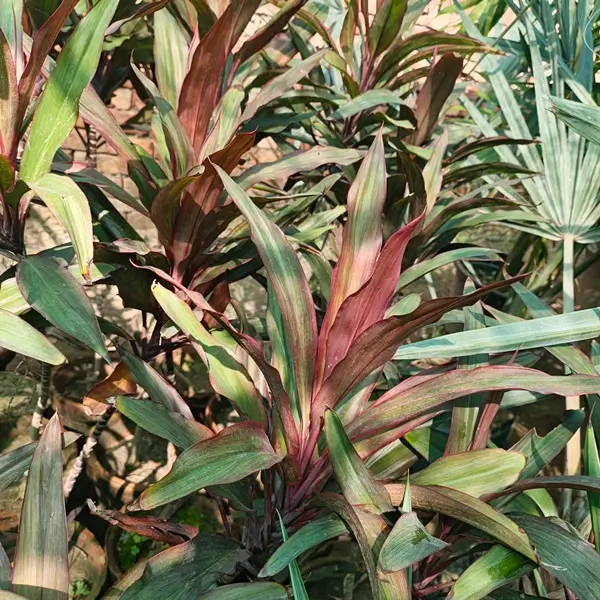
If you are looking to bring a touch of vibrant green into your home without a complicated routine, learning how to care for Dracaena marginata is the perfect to start. In this complete guide, we will walk you through simple, practical tips on Dracaena marginata caring so you can enjoy a healthy, stress-free plant for years to come.
Step-by-Step Placement of Dracaena Marginata: Light Requirements
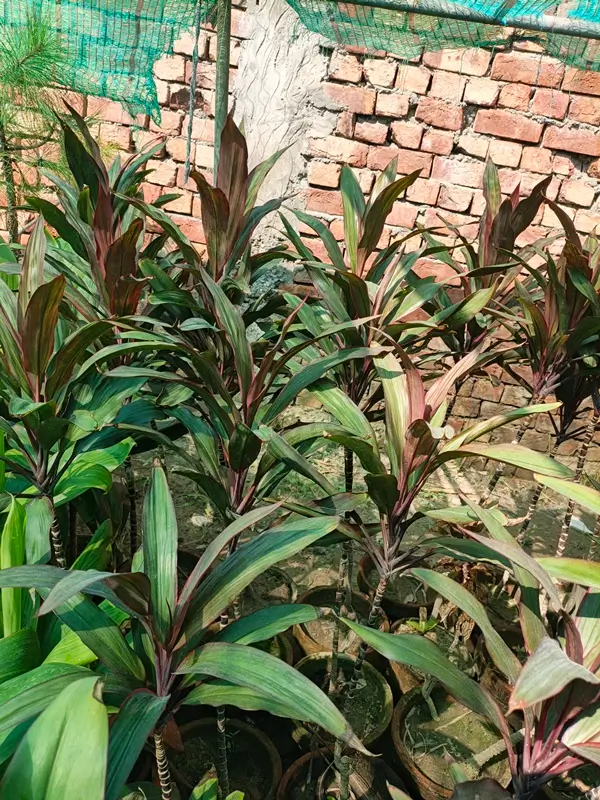
Light controls leaf color & stem strength. Madagascar is the native home of this plant.
Step 1: Finding Bright Indirect Sun
- Filtered light through thin curtains creates the safest indoor environment
- This hardy plant adapts to lower light but growth slows
- Soft morning sunlight provides ideal energy
- Artificial lights help plants thrive in dark rooms
Learning how to care for Dracaena marginata – requires observing these subtle daily shifts.
Step 2: Assessing Medium Light Tolerance
- Too much sunlight bleeds out rich colors & dulls red margins
- Very low light forces trunks to stretch unsteadily toward distant windows
- Direct UV rays leave permanent dry brown spots on delicate leaves
- Low light stops new leaves from growing
Step 3: Seasonal Light Adjustment
- Shift pots closer to glass as winter daylight hours grow shorter
- Pull containers back from hot glass during intense midday summer heat
- Turn your container every week so all sides receive balanced light
- Transition indoor plants slowly before moving them into outdoor summer shade
For deeper tips on managing indoor sun exposure – read these indoor plant lighting guidelines.
Step 4: Using LED Grow Lights
- Clear dust off thin leaves using a clean & damp cloth regularly
- Avoid commercial shine products – because they clog leaf pores quickly
- Rinse entire plant with lukewarm water to remove stubborn dust
- Wipe excess moisture off plant to prevent fungal spots from spreading
How Often to Water Dracaena Marginata: Watering & Soil Methods
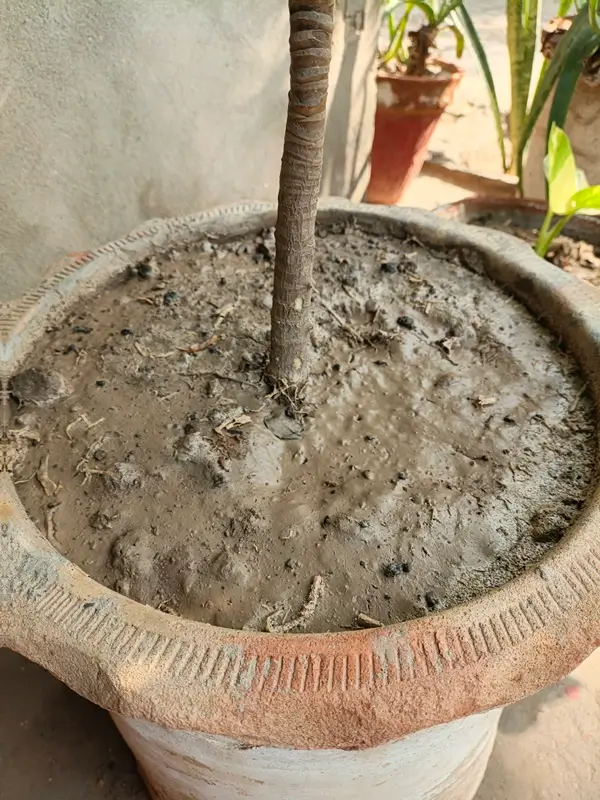
Proper watering balance is important for health.
Method 1: Essential Watering Guidelines
- Wait until the top two inches feel completely dry before watering
- Check pot bottom holes allow excess water to escape freely
- Use room temperature water to avoid shocking sensitive root systems
Method 2: Signs of Watering Problems
- Excessive moisture turns lower leaves yellow, limp & soggy fast
- Dry air or underwatering burns outer margins of upper leaves
- Root rot softens main trunks near soil surface line
- Massive leaf drop signals severe root distress from overwatering
Method 3: Choosing the Best Soil Mix
- Mix potting soil with perlite or coarse sand for growth
- Add peat moss to retain moisture – while keeping air pockets
- Heavy soils retain too much water & suffocate roots
- Maintain a balanced soil pH level between six & seven
For more details on choosing proper soil mixes – check out these houseplant soil mix guidelines.
Method 4: Water Quality Considerations
- Use distilled or filtered water to avoid chemical tip burn
- Let tap water sit overnight to reduce fluoride levels
- Water softeners contain salts – that harm indoor root systems over time
- Rainwater offers natural nutrients without added chlorine or minerals
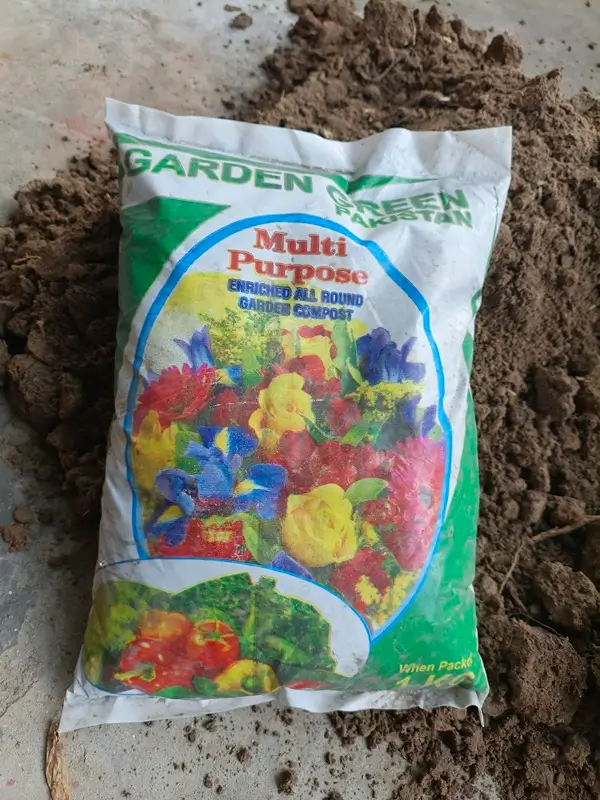
Factor Analysis for Dracaena Marginata: Best Soil Mix & Potting Needs
Choosing right potting mix creates a strong foundation for healthy roots.
Factor 1: Essential Soil Characteristics
- Combine potting soil with perlite & coarse sand to improve drainage
- Mix in a small amount of peat moss or coco coir to retain moisture
- Dense native dirt compacts tightly & suffocates roots
- Maintain a stable soil pH level ranging between 6.0 & 6.5
Factor 2: Repotting & Container Selection
- Always use pots with large bottom drainage slots
- Terracotta pots allow extra moisture to evaporate
- Move growing plants into slightly larger containers during active spring months
- Replace old potting mix during each container upgrade cycle
-
Factor 3: Troubleshooting Soil & Drainage Issues
- Poke gentle aeration holes into surface soil using a chopstick to restore airflow
- Pour clean water thoroughly through soil every few months to wash away mineral crusts
- Repot plants into dry & fresh soil immediately if your current mix stays soggy too long
- Keep topsoil dry between watering sessions – to deter fungus from laying eggs
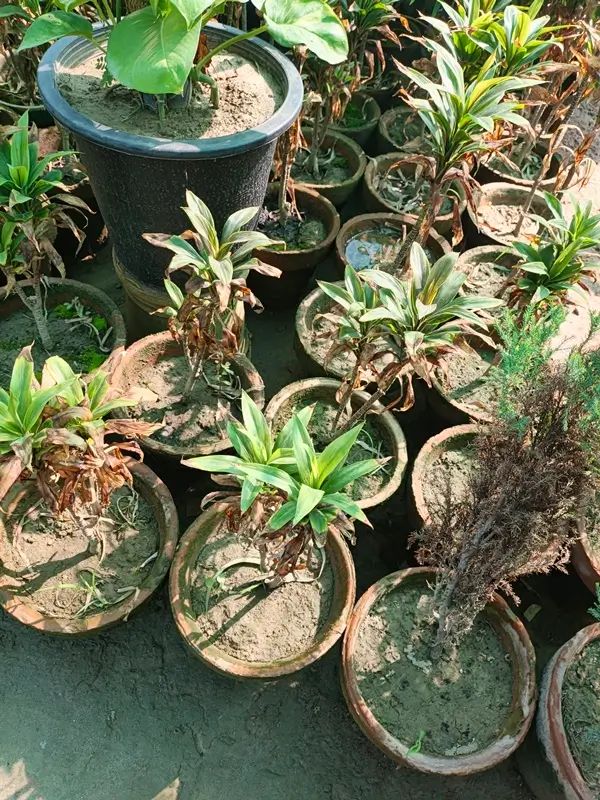
Level Management for Dracaena Marginata: Temperature & Humidity
Maintaining right climate inside your home is critical for tropical plants.
Level 1: Temperature Requirements
- Keep your room temperature – between 65°F & 80°F for optimal plant metabolism
- Shield pots away from drafty windows, exterior doors & sudden chilly gusts
- Never let surrounding temperatures drop below 50°F to prevent severe chilling injury
- Position containers far away from direct air conditioning units or heating vents
Level 2: Humidity Management
- Aim for average indoor humidity levels – between 40% & 50% for best results
- Set your pot on a tray filled with water & pebbles to boost moisture
- Set multiple houseplants together to create a naturally humid microclimate around plants
- Run a small cool-mist humidifier nearby – during dry winter heating seasons
Level 3: Seasonal Temperature Adjustments
- Shift pots several inches away from cold window panes during winter months
- Protect plant from direct glass heat during scorching afternoon summer days
- Move plants to stable inner rooms – when extreme seasonal weather hits your region
- Ensure night room temperatures remain steady
For extra tips on managing indoor atmospheric moisture, check out these indoor humidity guidelines.
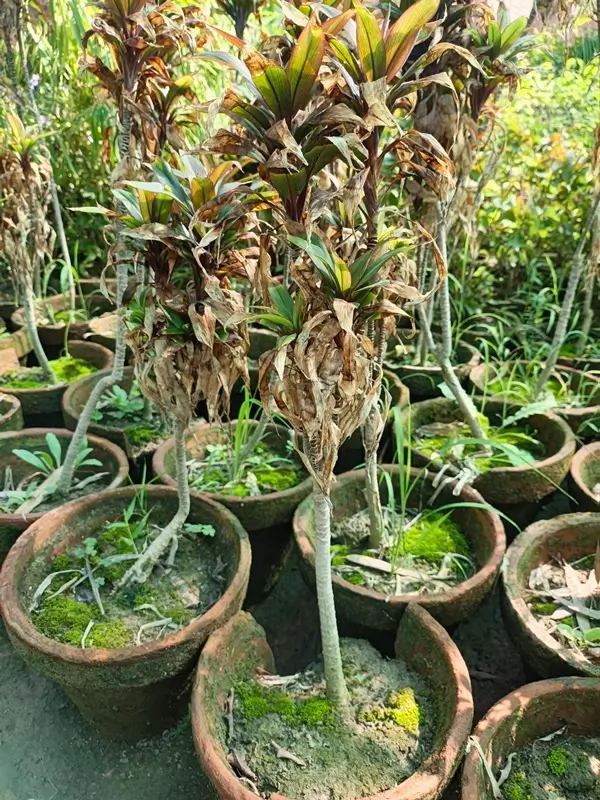
Cause Breakdown for Dracaena Marginata: Yellow Leaves & Brown Tips
Leaf discoloration is an early warning sign that your plant needs attention. Improper watering or dry air frequently triggers – brown tips & yellowing leaves.
Cause 1: Yellow Leaves
- Excessive moisture suffocates roots, turning lower leaves soft, soggy & yellow quickly
- Older bottom leaves turn yellow & drop off
- Depleted soil nutrients cause new upper leaves to look pale & weak
- Inadequate lighting prevents the plant from producing food
Cause 2: Brown Tips & Edges
- Low atmospheric humidity causes outer leaf to dry out & turn brown
- Fluoride & chlorine buildup in municipal water worsens brown tips
- Prolonged dry spells dry out leaf tips & cause crispy edges
- Excess chemical fertilizer leaves crusty salt residues that burn sensitive root tips
How to Fix it: Quick Solutions & Recovery Steps
- Snip away crispy brown leaf with clean shears
- Test soil moisture levels before every session
- Pour clean water through the container thoroughly to wash away excess mineral crusts
- Move pots away from direct heating vents, cold drafts & intense afternoon sunbeams
- Dracaena Marginata: Pruning & Propagation
Step-by-Step Guide for Dracaena Marginata: Pruning & Propagation
If you want to know how to care Dracaena marginata then trimming leggy stems is an essential skill to learn.
Pruning encourages brand new branching heads to grow directly below your cuts.
Following a simple Dracaena marginata care guide ensures you perform these cuts safely shock.
Step 1: Pruning & Propagation Rules
- Cut main trunks at a forty-five degree angle in spring using clean sharp shears
- Place severed top stems directly into clean water until fresh root roots emerge
- Submerge bare stem segments horizontally in moist potting soil to sprout new leaves
- Allow top cuts on main stems to calluses naturally to prevent fungal spore infection
Step 2: Pruning Safety & Aftercare Tips
- Plan major prunings for early spring when active growth resumes
- Sanitize shears before trimming to prevent fungal plant infections
- Wear gloves while handling plants – as sap can cause mild skin irritation
- Adjust your watering after trimming to support new stem buds
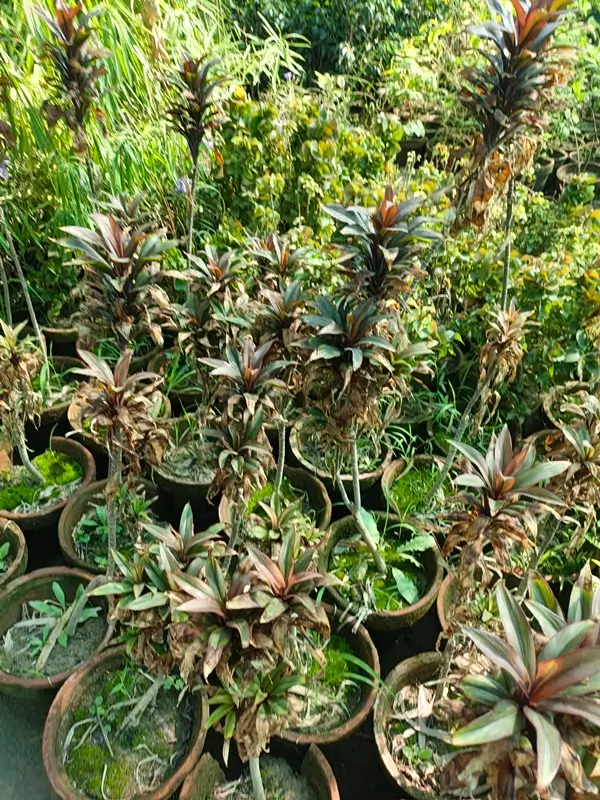
Method Control for Dracaena Marginata: Common Pests & Prevention
Protecting your dragon tree ensures plant stays clean, vibrant & entirely free of permanent insect marks.
Method 1: Identifying Common Indoor Pests
- Tiny webbing under leaves indicates fast-moving spider mites thriving in dry indoor air
- White cottony masses tucked in leaf joints signal hidden mealybugs drinking sap
- Small brown bumps on stems represent hard scale insects sapping plant strength
- Small black flies buzzing around soggy topsoil show overwatered soil conditions
Method 2: Natural Pest Control & Treatment
- Wipe plant with organic neem oil solutions to smother soft-bodied insects naturally
- Clean sticky leaf surfaces using mild insecticidal soap mixed with warm water
- Dab stubborn mealybugs directly with cotton swabs soaked in rubbing alcohol
- Shower the entire plant canopy under a tap to wash away microscopic pests
Method 3: Long-Term Prevention Strategies
- Inspect & isolate new green additions for two weeks before placing them near your collection
- Position plants with enough spacing to prevent stagnant air pockets from breeding insects
- Remove accumulated dust weekly to deny tiny pests a safe hiding environment
- Skip heavy feeding doses because tender new growth attracts hungry sap-sucking insects
Frequently Asked Questions
How often should I water my Dracaena marginata?
Water when the top two inches of soil feel dry to the touch, usually every 10 to 14 days. Reduce frequency in winter to prevent root rot.
Why are the leaf tips turning brown?
Brown tips are commonly caused by low humidity, dry indoor air, mineral accumulation from tap water, or underwatering.
Is Dracaena marginata toxic to pets?
Yes, it contains saponins, which are toxic to cats and dogs if ingested, causing symptoms like drooling and vomiting.
How much light does Dracaena marginata need?
It thrives best in bright, indirect light. It can tolerate low light conditions, but direct sunlight will scorch its thin leaves.