
Key Takeaways
| What You Will Learn | How It Transforms Your Plant |
|---|---|
| Sunlight Needs | Uncover the exact hours of sun required to unlock healthy, fast-growing leaves. |
| Plant Growth | See how simple light adjustments prevent weak, leggy stems & build strong roots. |
| Health & Protection | Learn natural drying techniques to safeguard your crop from devastating fungal diseases. |
| Flavor & Aroma | Discover the natural secret to boosting essential oils for a richer & bolder harvest. |
| Varietal Exceptions | Find out which special varieties thrive in shade & which demand pure sunlight. |
| Extreme Heat Care | Understand how to shield delicate leaves from harsh summer heatwaves & scorching. |
| Indoor Caring | Master indoor placement tricks and light setups to keep basil thriving year-round. |
Many gardeners often ask do basil plants need full sun to grow it doesn’t have to be complicated – you just need to understand its basic needs.
In this basil care guide, you will learn sunlight requirements, common growing challenges & practical tips to help you grow basil at home.
Why Sunlight Matters Most for Healthy Basil
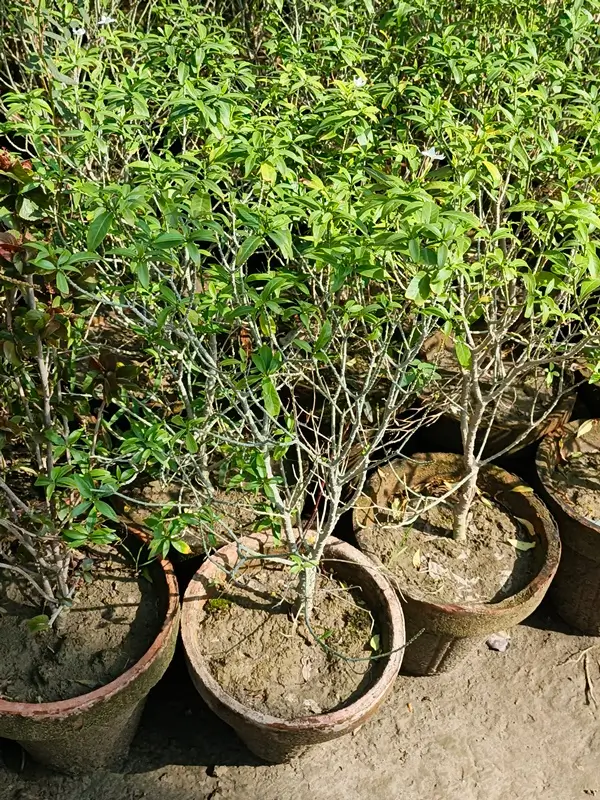
Basil – scientifically known as Ocimum basilicum as a fragrant culinary herb that originated in Asia & Africa.
According to botanists, basil is classified as a (full-sun) plant.
Tag simply means that for optimal growth & health, a basil plant requires at least six hours of direct sunlight.
Basil plants need direct sunlight to thrive, produce lush leaves & maintain growth.
Understanding their light needs ensures strong stems & essential oil production for rich flavor.
1. How Much Sun Does Basil Need Daily?
Set your pot where it gets 6 hours of direct sunlight a day to power photosynthesis. If you wonder do basil plants need full sun, six hours are ideal.
If your area gets too hot, block the afternoon sun, as it can damage your plant.
For indoor basil plants, dim light can cause your plant to have weak growth & ultimately die.
Providing good daylight keeps the plant dense, strengthens plant structure & prevents weak or leggy stems.
2. Direct Sunlight Needs & Tolerating Partial Shade
Famous varieties of basil plants like Italian Large-Leaf need continuous full sun – some types are more versatile.
Types such as African Blue & Thai Siam Queen can tolerate shade & perform well with around 3 to 6 hours of sunlight.
3. Protecting Basil from High Heat & Optimizing Indoor Light
During extreme summer heatwaves providing light afternoon shade protects basil leaves from scorching or wilting.
For indoor growing – place pots near a bright South-facing window or use natural light with overhead grow lights.
Dim light can cause your plant to have weak growth & ultimately die.
If your area gets too hot, block the afternoon sun, as it can damage your plant.
So, In different species of basil do perfectly well with only five hours og sunlight, whereas others need up to eight hours.
Importance of Sun Exposure for Basil Growth
Sun exposure plays an important role in development & aromatic strength of basil plants. That is why many people ask do basil plants need full sun to grow.
Lack of sunshine can cause growth issues or lead to weak & leggy plants. People are confused about do basil plants need full sun or shade.
Without daily light exposure, basil struggles to store sufficient energy as it may result in pale color & weakened natural defense against common garden pests.
When the green leaves capture enough rays from sun through photosynthesis – a process essential for plant food production – it fosters stronger stems which ensures an incredible harvest season.
By providing good sun exposure you will see an increase in leaves resulting & lush basil bushes perfect for picking during its growing season.
If you ask, do basil plants need full sun, the short answer is yes for proper growth.
1. How Sunlight Boosts Photosynthesis & Essential Oils
Direct sunlight activates photosynthesis which helps basil to convert light energy into chemical energy for leaf growth.
High light correlates with levels of essential oils such as eugenol and linalool within plant tissue.
These compounds help determine intensity of scent & taste profile.
Whenever basil plants receive sun rays – they produce broader & vibrant green leaves with a richer quality compared to shade-grown.
2. How Sunlight Prevents Leggy Growth & Weak Stems
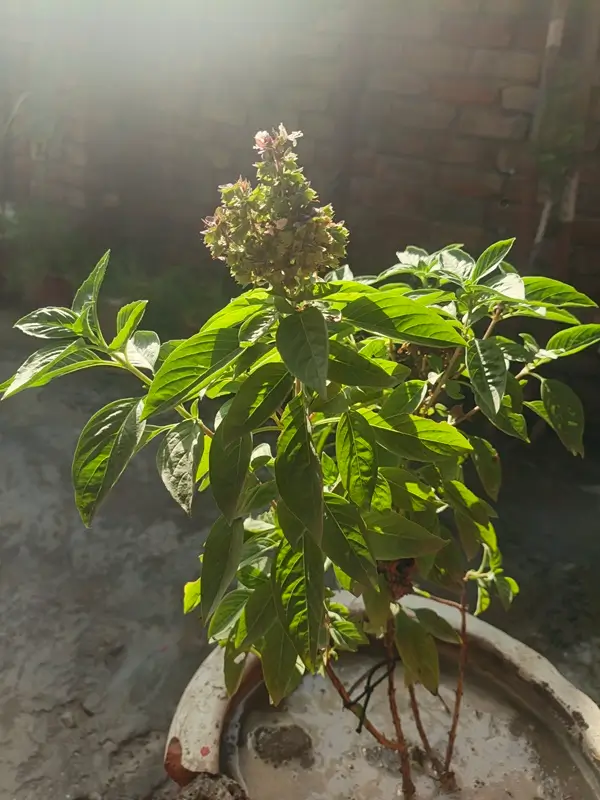
Sunlight maintains a compact, sturdy stem architecture that supports heavy basil plants.
When basil plants experience light deficiency they start to stretch out & grow tall & weak – this process is called etiolation.
Good daily exposure encourages shorter internodes & thicker stems & new branching – giving plant a bushy appearance.
Understanding this helps do basil plants need full sun for thick stems.
3 Clear Signs of Light Deprivation (Etiolation) in Basil
- Leggy stems: Long & thin stems with large gaps between leaves.
- Pale color: If Leaves are yellowish because plant lacks chlorophyll due to low light.
- Weak structure: Plant leans heavily or bends as it stretches toward light source.
3. Drying Foliage to Prevent Fungal Pathogens & Mold
Morning & afternoon sunlight helps evaporate excess moisture & water from basil leaves quickly.
Too much moisture is a cause of an ideal environment for fungal pathogens – including downy mildew & root rot.
if your poistining your basil garden bed or pots in an open place with full sunlight, you naturally keep leaves dry & warm.
This organic sun-drying effect helps to minimize diseases.
Essential Benefits of Full Sunlight for Maximum Yield
If you give your basil plant access to full sunlight helps it survive—it actively shapes the plant’s overall immunity & harvest quality.
Full sun creates a warm & energetic environment that basil needs to live longer.
Try to give your plants a sunny spot in garden or on a bright balcony – you naturally support deeper root systems vibrant leaf growth & stronger resistance.
This is why growers ask do basil plants need full sun for maximum leaf.
1. Strengthening Natural Defense Against Garden Pests
A well-lit basil plant produces thicker leaf layers & stronger cell walls – creating a physical barrier against common pests e.g aphids & spider mites.
Sunlight drives production of natural compounds that act as an organic insect spray.
When plants soak up daily sunlight their immune response sharpens it allows them to naturally fight off environmental stress & pest pressures.
Mastering this do basil plants need full sun helps your crop.
2. Enhancing Root Mineral Flow & Nutrient Uptake
Full sunlight speeds up the process which acts as an engine drawing water & essential minerals up from roots.
Key nutrients like nitrogen, potassium & magnesium work efficiently through plant tissues when photosynthesis runs at full capacity.
This nutrient flow ensures dark green leaves, prevents premature leaf yellowing & supports continuous energy production in summer.
3. Sunlight & Pruning Tactics for Bushier Foliage
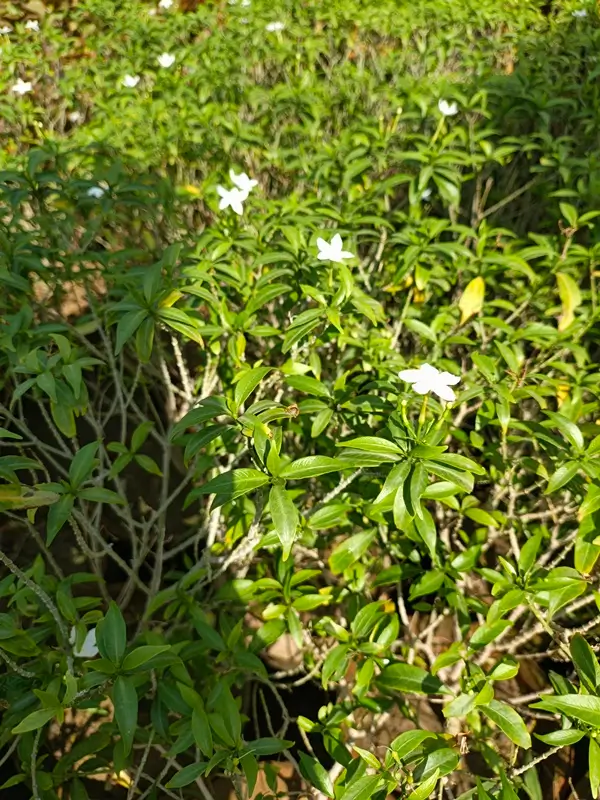
- Direct Light: Give your basil six to eight hours of direct sun daily so leaves grow fast & strong. Many ask do basil plants need full sun all day.
- Morning Sun: Position plants to catch gentle morning rays.
- Afternoon Shade: Protect leaves from harsh afternoon heat in very hot places to stop them from burning.
- Indoor Light: Set potted basil on a sunny window if you grow basil inside your house.
(3) Extra Tips for Bushy Growth
- Prune Top: Cut stem just above a leaf node. This helps two new branches to grow.
- Water Soil: Keep soil moist but never let it get soggy. Water base of plant instead of splashing on leaves.
- Remove Flowers: Cut off any flower buds plant puts its energy into making more leaves.
Do Basil Plants Really Need Full Sun? 3-Myths
Gardening advice about basil light requirements leaves growers confused about do basil plants need full sun.
On the other hand – many say that basil must sit in heat all day.
This reality depends heavily on your local climate basil variety & growing setup.
Here you learn some myths & facts about basil’s sunlight these are:
Myth 1: Basil Demands Continuous Unfiltered Summer Heat
-
The Myth: Basil plants must receive 10 – 12 hours of direct heat to grow. That is why people ask do basil plants need full sun constantly.
-
The Fact: While basil loves light but extreme afternoon heat in summer can burn leaves & cause death. In desert or southern climates – basil benefits from light afternoon shade to protect its leaves & keeping roots stress-free.
Myth 2: You Cannot Successfully Grow Basil Indoors or in Shade
-
The Myth: You cannot grow healthy basil if you have an outdoor garden with direct sunlight.
-
The Fact: Varieties like African Blue basil grow well in shade with 4 – 5 hours of direct light. Indoor growers can easily meet basil light needs using energy-efficient grow lights placed a few inches above.
Myth 3: Excessive Sun Exposure Always Improves Leaf Flavor
-
The Myth: Leaving basil in sunlight increases essential oil concentration.
-
The Fact: Overexposing basil to high thermal stress without adequate watering causes plant to bolt quickly. Bolting shifts plant’s focus toward flowering & seed production turning leaves bitter & far less flavorful.
How to Balance Natural Sunlight & Indoor Grow Lights
Transition between outdoor sunlight & indoor light setups is important in basil health. If you want to know how to balance light helps answer do basil plants need full sun in every season.
Growing basil between environments requires careful light balancing to avoid death.
If you understand how to provide natural daylight with artificial sources, you can ensure good leaf production across every season.
1. Acclimatizing Potted Basil Between Indoor & Outdoor Spots
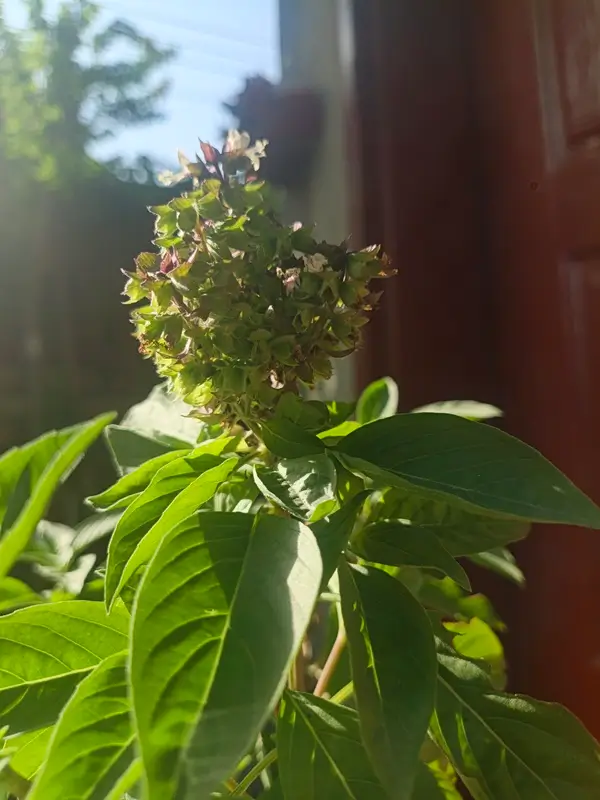
Moving your basil outdoors in spring & bringing it inside for winter requires is a acclimatization process known as hardening off.
Sudden shifts from outdoor sun to indoor light cause leaf drop, leggy stems & stress.
Over a week, expose your basil to outdoor for a few hours daily so plant builds tolerance to direct UV rays & temperature.
2. Using Supplemental Grow Lights for Indoor Cultivation
Indoors fail to supply 6 to 8 hours of direct light basil needs – especially during autumn & winter.
Placing LED grow lights about 6 to 12 inches above plant works effectively.
Keeping artificial lights on for 12 to 14 hours daily keeps photosynthesis active – maintaining strong stem strength & saving weak leaves.
3. Adjusting Light Care to Match Seasonal Daylight Changes
Light requirements shift as daylight hours naturally expand & contract throughout the year. Many gardeners ask do basil plants need full sun during seasonal changes
During full summer outdoor basil requires heat – whereas winter indoors requires a longer grow light.
Adjusting light duration seasonally ensures your plant receives energy levels & preventing premature flowering & safe growth. Understanding do basil plants need full sun helps adjust care properly.
Frequently Asked Questions
Can basil have too much sun?
Yes. While basil loves sun extreme heat & afternoon rays can scorch tender leaves & turn edges brown or cause severe wilting. High heat stress can also make the leaves bitter. Providing light afternoon shade during summer heatwaves protects plant.
Can you grow basil in the shade?
Basil cannot survive in full shade. It requires at least 3 to 4 hours of direct sun for basic health. In partial shade - growth will slow & plant may produce less flavorful leaves. Shade-tolerant varieties like African Blue handle partial shade better than Italian Large-Leaf.
Can basil grow without sunlight?
Not without an artificial light source. Basil requires light to power photosynthesis. You can grow it indoors completely without natural sunlight if you use LED grow lights for 12 to 14 hours daily.
What are common mistakes that harm basil plants?
Overwatering: Soil that stays soggy leads to root rot & yellowing leaves. Let top inch of soil dry out between waterings. Watering Leaves Instead of Soil: Getting leaves wet encourages fungal issues like downy mildew. Always water directly at the soil. Ignoring Leggy Stems: Skipping pruning causes tall & weak stems instead of a bushy plant. Harvesting Incorrectly: Pulling off individual leaves instead of cutting above leaf nodes stunts new growth. Cold Exposure: Exposing basil to temperatures below 50°F (10°C) - causes black leaves & plant shock.