
Key Takeaways
| What you will Learn | What You’ll Discover |
| Watering Mistakes | How overwatering & underwatering leave subtle clues before it’s too late. |
| Light & Temperature Needs | Why sudden weather changes & poor light quietly stress your basil. |
| Soil & Drainage Issues | The hidden root cause behind soggy & suffocating soil. |
| Pests & Fungal Diseases | How to catch downy mildew & tiny pests before they ruin your harvest. |
| Revival & Long-Term Care | Simple steps to bring wilting stems back to life and keep them thriving. |
Are you wondering? Why is my basil plant dying & how to bring it back to life? In this complete guide, we will cover the common causes and simple solutions to save your herb.
Understanding Basil’s Life Cycle & Natural Aging
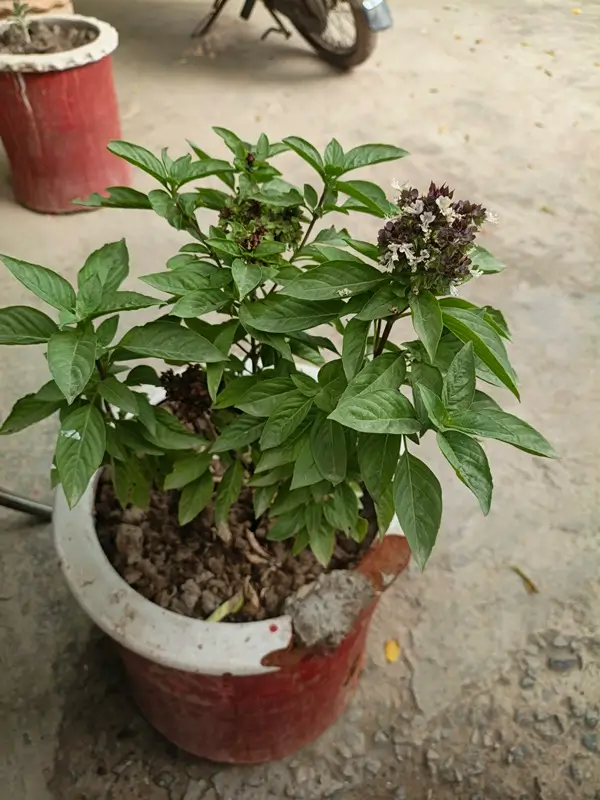
Basil – also known as Ocimum basilicum – is a fragrant culinary herb that originated in Asia & Africa. Its scientific name comes from Greek okimon (aromatic herb) & basilicum (kingly/royal) – earning it the title “king of herbs.”
It is part of mint family & includes more than 150 species – that are enjoyed by gardeners worldwide.
These herbs are loved due to their very pleasant properties & distinctive flavor, which is used extensively in Mediterranean cuisines – especially in Italian foods such as pesto. Basil is a warm-season herb. A healthy basil plant care guide consists of –
- Plenty of sunlight
- Warm temperatures
- Moist but well-draining soil
- A suitable pot or enough growing space to support strong roots, healthy leaves & steady growth
- Nutrient soil &
- Good air circulation supports healthy foliage & new growth
Understanding these growing techniques is our first care step toward keeping basil lush & beautiful. When these basic basil plant care requirements are balanced, the plant can develop amazing foliage & continue growing well throughout the season.
As the plant transitions into the vegetative growth phase from late spring through summer, it focuses almost all of its energy on generating lush & highly aromatic foliage suitable for harvesting.
As late summer temperatures peak, the plant enters its flowering or bolting phase, producing small white or purple flower spikes at the stem tips.
Once flowering occurs, the basil enters senescence & natural die-back.
The plant shifts its energy away from foliage toward seed development & causing the leaves to become sparse, woody & bitter.
If your plant is blooming toward the end of the season, wilting leaves are simply a sign of its natural progression rather than a care mistake.
1. Germination & Early Seedling Phase
If you notice sudden wilting or yellow leaves, you might ask Why is my basil plant dying all of a sudden.
Basil seeds require warm conditions to break dormancy; this plant ideally thrives in temperatures between 70°F & 80°F.
Under these optimal conditions, seeds typically sprout within 6 to 10 days & sending down a delicate taproot while pushing up tiny green cotyledons.
During this early stage, the basil plant is extremely tender & focuses its energy on developing a strong root system.
Warmth, moisture & indirect sunlight are essential to prevent seedlings from becoming weak & spindly.
2. Active Leaf Development Stage
Once the seedling establishes true leaves, it enters the vegetative growth phase—the prime period for gardeners. Spanning from late spring through midsummer.
The plant channels all its nutrients & water into generating lush & highly aromatic green foliage.
This is the stage where active harvesting takes place.
Regular harvesting & proper plant care & tips encourage the basil to branch out & bushier plant with abundant leaves rich in flavorful essential oils.
3. Flowering, Bolting, & Senescence (Natural Die-Back)
As late summer turns to early autumn – warmer temperatures & shifting daylight hours trigger the plant to bloom & produce small white or purple flower spikes at the stem tips.
Once flowering begins, the basil enters senescence—its natural dying-back phase.
The plant redirects its energy away from foliage toward seed production & causing the remaining leaves to turn sparse & bitter.
As cold weather arrives basil plant completes its life cycle & naturally wilts, marking the end of its annual season.
3 Warning Signs Your Basil is in Distress
If you recognize signs that your basil plant is dying take timely action before severe damage occurs.
Basil communicates its distress through noticeable changes in leaf color & overall plant structure.
By carefully observing these symptoms, you can quickly identify whether your herb is suffering from watering issues, environmental stress or pest damage.
1. Drooping & Wilting Leaves
Pale-colored leaves are one of common signs that your basil plant is under stress.
When leaves lose their firmness – it usually indicates an imbalance in soil moisture caused by overwatering.
If the soil is dry, giving it water will help it recover quickly.
If leaves droop while the soil remains wet, it points toward root damage – where the root system can no longer absorb moisture properly.
Paying attention to these early signs through simple plant care & tips can prevent severe plant decay.
2. Yellowing, Black, or Brown Leaf Spots
Discoloration on basil leaves directly indicates health issues.
Yellowing leaves (chlorosis) indicate overwatering poor drainage & a lack of essential nutrients.
On the other hand, black or dark brown spots usually indicate fungal infections which are caused by high humidity with poor air circulation & cold shock from temperatures.
By removing discolor leaves helps protect rest of the foliage & prevents potential fungus from spreading.
3. Inward Leaf Curling & Stunted Growth
If you notice your basil leaves curling inward & showing stunted overall growth, environmental factors or pests are cause.
Extreme heat & direct sunlight are cause of leaf curling.
Sap-sucking pests, e.g aphids & spider mites on undersides of leaves, can cause stunted growth.
If you provide light afternoon shade during heatwaves will keep your plant growing strong.
Mastering the Balance: Proper Watering Techniques
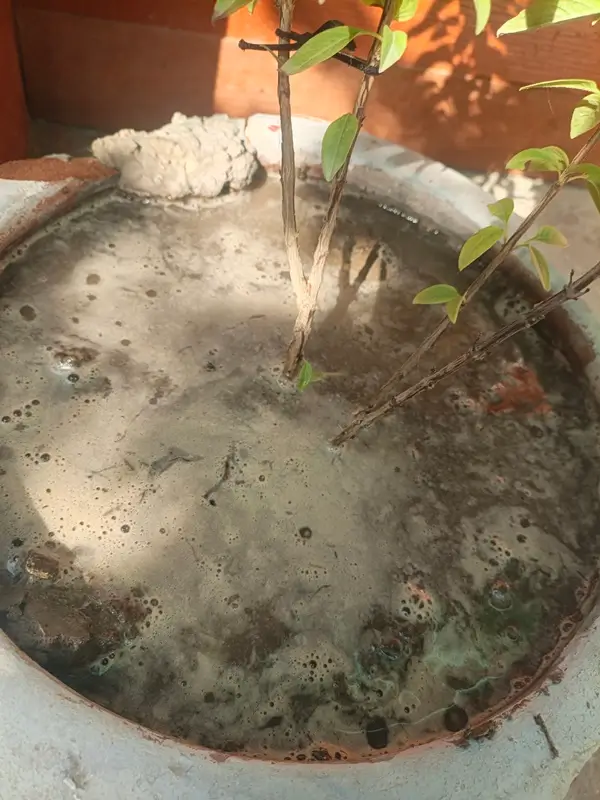
Watering is the most important step in maintaining a healthy basil plant – yet it is where many gardeners run into trouble.
Basil leaves need moisture to stay plump & fragrant.
Finding right balance between giving your plant hydration & waterlogged conditions is good for health.
Understanding how water affects root health allows you to establish a routine to keep your herb flourishing without risking fungal disease.
1. How to Identify & Save an Overwatered Basil
Overwatering is a leading cause of plant failure for basil grown in containers & heavy soils.
When soil remains continuously wet air pockets are blocked & suffocating roots & creating an environment for root rot.
Early signs of overwatering include yellowing lower leaves, drooping stems wet soil & a smell coming from pot.
To fix overwatered basil, stop watering immediately & let the top 1 to 2 inches of soil dry out.
Following proper plant care & tips by ensuring your containers have adequate drainage holes allows excess water to escape freely.
2. Spotting Underwatered Basil & Rehydrating Dry Soil
Overwatered plants feel soft & soggy – underwatered basil causes leaves to look wilted, dry & thin.
If a plant is unwatered for too long lower foliage will turn brown, crisp up & drop off.
For a dehydrated plant – give it a thorough & deep soaking until water flows out of bottom drainage holes.
If the soil has shrunk away from the edges of pot – then bottom-watering by soaking pot in a tray of water for 15 minutes helps rehydrate hydrophobic soil.
3. Setting Up a Sustainable Watering Routine
Creating a reliable watering schedule depends on your local climate, pot size & soil type.
Put you thumb is the “finger test”—insert your finger about an inch into soil & if it feels dry & warm it is time to water.
Splashing water on leaves minimizes humidity & helps resolve yellowing leaves (chlorosis) & fungal issues.
Light & Temperature: Essential Climate Conditions
Cold drafts and sudden temperature drops explain why my basil plant is dying during late autumn.
Light & warmth are the ultimate driving forces behind a basil plant’s survival. Hailing from warm tropical regions, basil relies on sunlight & stable temperatures to perform photosynthesis & produce lush & aromatic foliage.
1. Sunlight Requirements for Vibrant Leaves
It stays active between 50 °F to 85 °F(10 °C to 30 °C) – but it thrives when daily temperatures sit around 70 °F to 80 °F (21°C to 27 °C).
2. Protecting Basil From Severe Heat & Cold Drafts
- Warm weather helps basil plants grow lush – but it grows best in mild weather.
- Cold weather ruins the plant fast – so keep your pot protected from the cold.
3. Finding the Perfect Sunlight Spot for Vibrant Leaves
Choosing right spot for basil matters a lot.
- Pick a sunny location in your garden where your basil plant can get 6 to 8 hours of direct sunlight & stay safe from the cold weather.
- Leave a bit of space between plants so it is airy for free airflow.
To maintain rapid growth & high essential oil production basil requires at least 6 to 8 hours of direct sunlight every single day.
Outdoor plants grow best in open gardens & sunny places where they receive morning sun.
For indoor potted basil – place your container on a bright south- or west-facing windowsill to provide natural light.
Following proper guidance regularly ensures all sides of plant receive equal light & prevents lopsided stems.
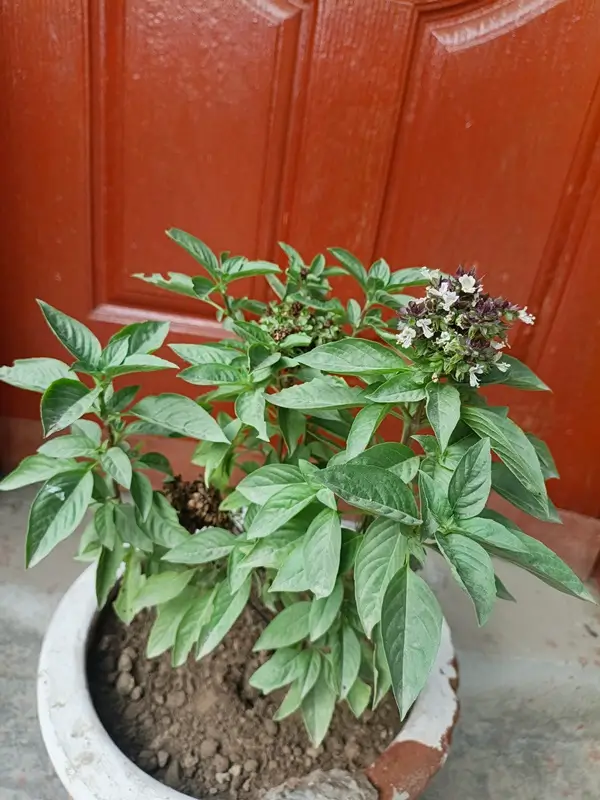
Fixing Leggy & Spindly Stems From Low Light
When a basil plant does not receive enough direct sunlight – it enters survival mode.
This results in leggy growth with tall, thin & spindly stems with sparse leaves that fade to yellow.
If natural light is limited – supplementing with an LED grow light for 12 to 14 hours daily will rebuild stem strength & restore lush green plant.
1. Protecting Basil From Cold Shock & Heatwaves
Temperature plays a major role in basil health with the ideal range being between 70°F – 85°F (21°C to 29°C).
When temperatures drop below 50°F (10°C), basil suffers from cold shock & causing leaves to turn dark purple or black & wilt rapidly.
Extreme midsummer heatwaves with dry air can scorch tender foliage & leading to yellowing leaves (chlorosis) &leaf curling.
Providing afternoon shade during heat & bringing container plants indoors before cool nights protect your herb from sudden thermal stress.
Dealing With Fungal Infections & Pest Attacks
Pest attacks are another major reason why is my basil plant dying indoors or outdoors.
Fungus & pests can destroy a healthy basil plant.
Too much humidity & poor airflow create ideal conditions for fungi while sap-sucking insects drain plant’s essential nutrients.
Identifying these threats early is vital to saving your plant.
1. Spotting & Managing Basil Downy Mildew
Basil Downy Mildew is one of most destructive fungal diseases.
It appears as light yellow chlorotic patches on upper surface of the leaves – resembling nutrient deficiency.
To manage this fungal issue – water exclusively at soil base, ensure proper plant spacing & apply organic neem oil or fungicides.
2. Organic Control Methods for Aphids & Spider Mites
Common garden insects such as aphids, spider mites, & thrips target soft basil leaves to feed on plant sap.
Aphids cluster on stem tips & leaf undersides – while spider mites leave fine webbing & pale spots.
You can control these pests by washing leaves with a water spray or applying an organic insecticidal spray.
3-Step Emergency Plan: How to Save a Dying Basil Plant
If your basil plant is showing severe signs, don’t lose hope just yet.
In many cases, immediate intervention can reverse environmental stress, rescue failing root systems & restore healthy leaf growth.
Following a systematic revival plan helps you address the root causes of plant stress without shocking herb further.
Step 1: Adjust Soil Moisture & Fix Drainage
The first step is restoring proper moisture.
If soil is waterlogged, move your pot to a warm & well-ventilated spot to speed up soil drying.
Ensure your container bottom drainage holes are clear so excess liquid escapes freely.
Establishing these habits via targeted care tips will stabilize root moisture & encourage fresh top growth.
Step 2: Prune Damaged Foliage & Pinch Off Blooms
To help a weak basil plant recover, you must eliminate unnecessary energy drains.
Use clean sharp shears to prune away yellowed, black & fungus-spotted leaves to stop potential pathogens from spreading.
Cut off any flowers & developing buds as soon as they appear.
Halting the flowering process forces the plant to redirect its vital nutrients back into regenerating soft growth instead of producing seeds.
Step 3: Repot with Fresh Mix & Apply Organic Care
If poor soil drainage or root rot is suspected, repot your basil.
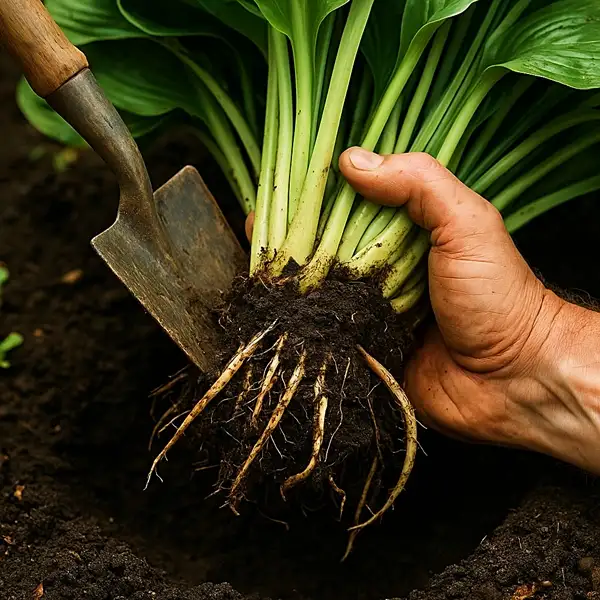
Gently remove the plant from its container – inspect the roots & trim off soft & decayed root tissue using sanitized scissors.
Replant your basil herb in fresh & lightweight potting mix.
If sap-sucking insects are present then rinse the leaves thoroughly with a gentle stream of water & apply an organic neem oil spray during the cool evening hours to resolve secondary issue.
By taking quick action on watering and light, you can easily stop wondering why is my basil plant dying and restore its health.
Frequently Asked Questions
How do you revive a dying basil plant?
To revive a dying basil plant start by adjusting your watering routine—allow soggy soil to dry out or give a bone-dry plant a thorough soak. Prune away dead black & yellowed leaves using sanitized shears & pinch off any blooming flower spikes to force plant to redirect its energy into fresh foliage. Ensure plant receives at least 6 to 8 hours of direct light daily & move it away from cold drafts below 50°F (10°C). If root rot or poor drainage is present – repot basil into fresh & well-draining potting soil mixed with perlite.
What does an overwatered basil plant look like?
An overwatered basil plant usually displays yellowing lower leaves (chlorosis) that feel soft & limp rather than crisp. Stems may droop despite the soil remaining wet & foliage can drop prematurely. In severe cases of overwatering leads to root rot causing stems at the soil line to turn soft or dark brown & emitting a faint musty or sour smell from pot
How do I stop my basil plant from dying?
To keep your basil plant healthy – maintain a consistent watering schedule using “finger test” water only when top inch of soil feels dry & ensure your pot has working drainage holes. Keep the plant in a warm spot with 6 to 8 hours of daily direct sunlight & protect it from cold. Regularly pinch off the top sets of leaves every two to three weeks to encourage bushy growth.
Will basil come back after dying?
If basil plant is dying from temporary environmental stress—such as mild underwatering, light cold shock & minor pest issues it can bounce back with proper care & pruning. If plant dies naturally at the end of its annual life cycle after flowering, or if its root system completely rots from severe overwatering -it will not come back & will need to be replaced.