
Key Takeaways
| Key Takeaways | Why This is Helpful for You |
|---|---|
| Comprehensive Aloe Vera Overview | Gain an in-depth understanding of Aloe Vera’s many uses & benefits. |
| Understanding Aloe Vera Layers | Learn how each component supports your health needs. |
| Aloe Vera Latex & Its Properties | What Is Aloe Vera Latex? Discover what it is actually – how it differs from gel & its unique properties. |
| Benefits of Aloe Vera Latex | Understand how Aloe Vera latex can support health issues. |
| Precautions & Side Effects | Learn about important precautions before using Aloe Vera latex regularly. |
| Scientific Research | Stay updated on the latest research that validates Aloe Vera’s therapeutic potential. |
Understanding Aloe Vera: An Overview of Gel & Latex
Consistently hailed as a “wonder plant”, Aloe vera has long commanded attention in the health care & cosmetics. Native to North Africa & Southern Europe, Aloe vera encompasses more than 500 species used for medicinal, therapeutic & aesthetic purposes.
A further dive into the world of this ‘plant of immortality‘ – a name given by early Egyptians due to its alleged longevity – reveals it comprises three major layers.
The outer green leaf skin acts as a natural shield, protecting the plant – while hidden right beneath is the layer that creates two powerful substances known as latex.
Naturally abundant in what is aloe vera latex, this plant is packed with proteins & vitamins. When comparing aloe vera latex vs. gel, you find that lignin provides penetrative capacity across human skin for optimal absorption.
5 Anatomy & Components of Aloe Vera plant
This table highlights main components & layers of aloe vera leaf – detailing how each part functions.
| 🌱 Component / Layer | 🧬 Description | 💡 Function / Role |
|---|---|---|
| Outer Green Rind | Thick outer skin containing vascular bundles, chlorophyll & protective compounds. | Acts as a barrier, facilitates photosynthesis & protects inner tissues from damage & dehydration. |
| Synthesizing Layer | Located just beneath the rind; produces latex which contains powerful bioactive compounds. | Generates aloin & other anthraquinones – that serve therapeutic & defensive roles. |
| Inner Gel (Pulp) | Clear mucilaginous gel composed of 99% water & rich in nutrients. | Soothes skin, hydrates tissues & delivers vitamins (A, C, E, B1, B2, B3, B6, B12), folic acid, choline & minerals. |
| Enzymes & Hormones | Present mainly in gel, including amylase, lipase & bradykinase. | Aid digestion, reduce inflammation & help in wound healing & tissue. |
| Lignin | Structural compound enabling deep skin penetration. | Helps active compounds absorb into the skin effectively, enhancing external application benefits. |
Understanding Aloe Vera 3 Layers
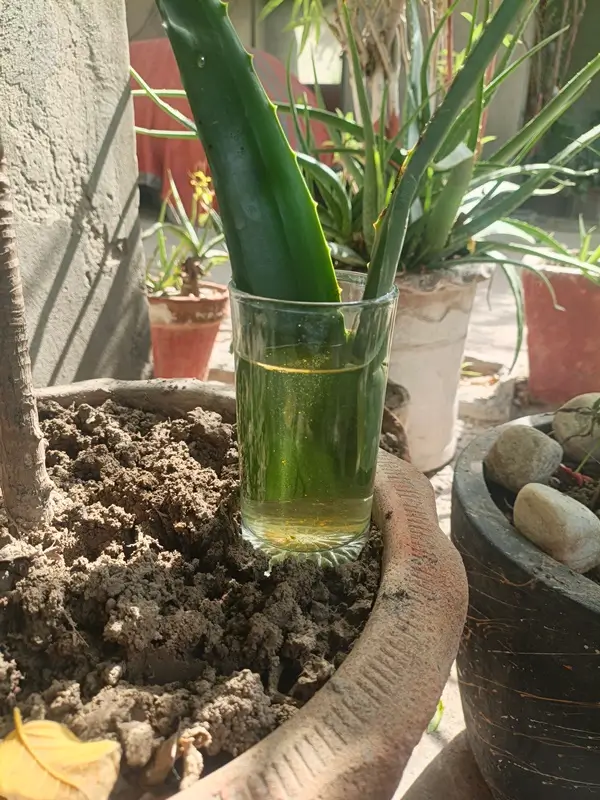
When caring for your garden plants or harvesting fresh leaves – it is essential to know that aloe vera latex vs gel refers to two completely different parts of plant. Gardeners often notice a bitter fluid when harvesting – which brings up common concerns about whether aloe vera latex side effects can impact handling or if is aloe vera latex toxic when accidentally ingested.
Aloe Vera Plant Layer Insights
Here are the key takeaways for managing & understanding aloe layers safely.
- The yellow sap acts as the plant’s natural barrier against garden pests & environmental stressors
- Knowing how to properly drain the yellow fluid prevents skin irritation & accidental consumption of harsh compounds
- Always separate the outer sap from the inner soothing gel to ensure safe & effective external applications
While examining a newly harvested aloe leaf, I noticed the sharp contrast between the bitter yellow sap & the pure gel inside. Observing these distinct layers firsthand completely changes how one handles & processes the plant for everyday use.
3-Step: Harvesting & Handling Safety Guide
Here is a quick overview of the essential steps and tips for safely handling your freshly harvested plants.
| 🌱 Safety Step | 📋 Description | 💡 Gardener’s Tip |
|---|---|---|
| Drainage Phase | Allow the freshly cut leaf to stand vertically for 10-15 minutes. | Let the bitter yellow fluid drip out completely before using the gel. |
| Rinsing Process | Thoroughly wash inner fillet with clean & running water. | Removes any remaining residue to prevent skin irritation. |
| Clean Separation | Carefully fillet away green rind using a sharp knife. | Ensures you only collect the pure & clear pulp without any of the harsh outer sap. |
Aloe Vera Latex & Its Properties
Arguably the most intriguing among all constituents is what is aloe vera latex. This sticky yellow residue is underneath leaf skin. Taking a moment to properly learn how to remove aloe vera latex keeps your home remedies safe & helps you avoid aloe vera latex side effects.
For authoritative health information – you can consult National Center for Complementary and Integrative Health (NCCIH). It primarily consists of anthraquinones—organic compounds like aloin & emodin that impact human health.
4 Aloe Vera Core Botanical Features
These specific compounds give the yellow sap its characteristic bitterness, defensive role in the plant & distinct natural effects.
| 🔬 Compound | 🧪 Type | ⚙️ Biological Effect |
|---|---|---|
| Aloin A & B | Anthraquinones | Potent natural laxatives – stimulate colon motility & water secretion. |
| Emodin | Anthraquinone derivative | Anti-inflammatory, antimicrobial & mild laxative properties. |
| Resistannol | Organic compound | Suspected to support gut health. |
| Various Enzymes | Proteins | Trigger biochemical reactions in metabolism & detox. |
5 Extraction Process of Aloe Vera Latex
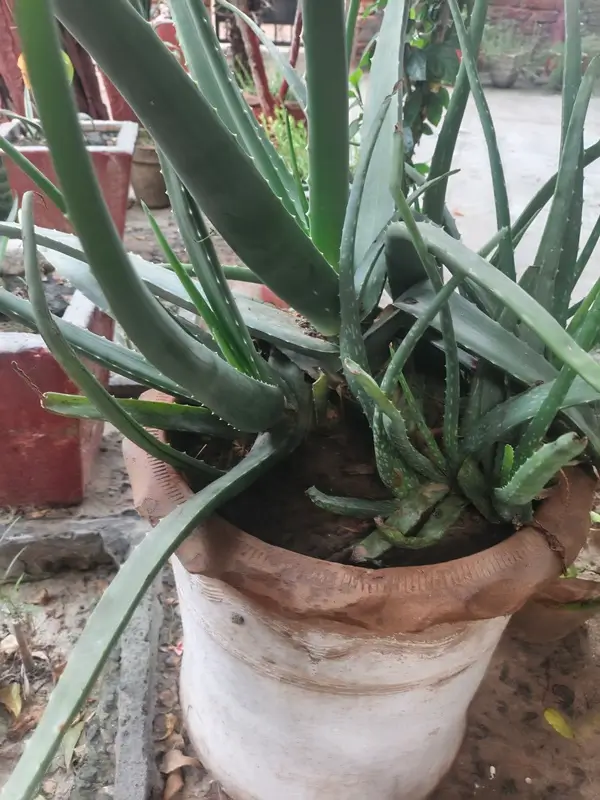
The extraction process begins with closely controlled removal of mature leaves & aiming to retain maximum constituents.
| 🔢 Step | ⚙️ Action | 🎯 Purpose / Caution |
|---|---|---|
| 1 | Select mature leaves | Older leaves yield more latex with higher active compounds. |
| 2 | Wash & slice sides | Allows yellow latex to flow naturally due to vascular incision. |
| 3 | Drain latex separately | Prevents contamination with clear gel – which may dilute potency. |
| 4 | Purify via heat or alcohol | Removes impurities & stabilizes for capsule & tablet production. |
| 5 | Rest plant before next cut | Ensures healing & sustainability of harvest cycle. |
Uses & Benefits of Aloe Vera Latex
Therapeutic aloe supplements can ease digestive issues like – constipation by stimulating intestinal movement. However many gardeners & health enthusiasts often wonder – is aloe vera latex toxic? While it offers strong laxative effects using it improperly can lead to cramping & irritation.
2 Uses of Aloe Vera Latex
When harvested with care, these natural plant elements serve a few practical purposes:
- Historically utilized in refined commercial remedies to assist with temporary bowel sluggishness
- Serves as the plant’s own protective shield against hungry garden pests & insects
4 Benefits of Aloe Vera Latex
When used under proper guidance, the bioactive compounds in aloe offer specific functional advantages for digestive wellness & body care.
| 💚 Benefit | 🧠 Biological Mechanism | 🌍 Common Application |
|---|---|---|
| Constipation relief | Aloin increases water & speeds movement. | Used in laxative capsules & powders. |
| Detoxification | Enzymes & anthraquinones neutralize harmful agents. | Supports liver cleansing & gut regulation. |
| Anti-inflammatory effects | Compounds reduce cytokines & swelling agents. | Used in digestive health supplements & balms. |
| Antioxidant potential | Neutralizes free radicals & prevents cellular damage. | Emerging role in disease prevention. |
Aloe Vera Latex Side Effects & Precautions
The yellow sap contains active compounds – it also carries notable risks if used improperly & consumed in excess. Understanding what is aloe vera latex—& recognizing important differences in aloe vera latex & gel—helps you take simple precautionary steps to handle plant safely at home. For comprehensive toxicity guidelines & scientific literature – you can review detailed safety evaluations on PubMed.
4 Side Effects of Aloe Vera Latex
Extracting raw leaf sap requires caution – as direct ingestion or improper handling can lead to noticeable physical reactions.
| ⚠️ Side Effect | 🔍 Possible Cause | 🚑 Health Risk |
|---|---|---|
| Dehydration | Excessive diuretic action from latex compounds | Loss of fluids may cause dizziness & weakness |
| Electrolyte imbalance | Loss of potassium & minerals during bowel cleansing | Can affect heart rhythm & muscle function |
| Kidney strain | Prolonged use of aloin-rich supplements | May lead to renal issues in vulnerable individuals |
| Allergic reactions | Natural sensitivity to aloe compounds | Itching, swelling & gastrointestinal upset |
A few summers ago, I harvested a fresh aloe leaf from my garden to make a quick homemade soothing drink, without realizing I had mixed the yellow latex with the gel. Within hours, I experienced sharp stomach cramps & unexpected severe dehydration. That painful mistake taught me firsthand why it’s so vital to handle the yellow sap with care & drain it completely every time.
Scientific Research on Aloe Vera Latex
Modern botanical research highlights distinct properties between clear gel & raw sap. Clinical toxicity reviews on NCBI Bookshelf confirm that – unrefined aloin acts as a harsh purgative, triggering sharp cramps & mineral loss. Safely draining this yellow sap helps home gardeners harvest clear tissue without risking digestive distress.
Key Studies & Institutional Research
To better understand what is aloe vera latex & how it impacts health – leading botanical research institutions have analyzed its biological properties. Below is a summary of key scientific findings & safety evaluations regarding its use.
| 🏛️ Institution / Source | 🔬 Research Focus | 📈 Key Insight / Outcome |
|---|---|---|
| University of Maryland Medical Center | Effectiveness of aloe latex as a natural laxative | Confirmed aloin’s bowel-stimulating effects & advised cautious use due to potency |
| American Botanical Council Prof. Mark Blumenthal |
Call for deeper scientific exploration of botanicals | Emphasized need for robust evidence as botanical use rises globally |
| Various Global Studies (2020–2024) | Detoxification, antioxidant role & inflammation control | Showed promising results for chronic disease support & larger clinical trials needed |
| University of Ibadan, Nigeria Dr. Agnes Olayemi A.A |
Risks of long-term herbal supplement use | Warned about underestimated risks of chronic aloe latex usage on kidney health |
Frequently Asked Questions
Do you have to remove latex from aloe vera?
Yes! The Latex must be removed. It contains aloin a compound with strong laxative effects that can cause dehydration & electrolyte imbalances when consumed.
What is the difference between aloe vera & aloe latex?
Aloe vera is entire plant, including gel, rind & latex. Aloe latex is yellow resin under skin.
How to eat aloe vera without latex?
Extract only clear inner gel, avoiding contact with outer skin. This gel offers nutrients & benefits without risks.
Make a list of diseases cured by aloe vera?
Aloe vera helps with digestive issues, skin conditions, inflammation & boosting immune health. It is not a cure but aids in symptom relief.