
Key Takeaways
| What You Will Learn | How It Helps Your Plant |
|---|---|
| Light Requirements | Discover how the sunlight keeps your plant healthy & prevents leaf scorch. |
| Watering Rules | Learn a secret moisture routine that protects roots from root rot. |
| Best Soil & Fertilizer | Master the perfect soil formula for healthy growth. |
| Temperature & Humidity | Simple room tweaks that keep your plant from drooping. |
| Propagation | Learn easy trick to turning a single stem into a brand-new plant. |
| Pests & Growing Mistakes |
Master hidden care errors that secretly damage your corn plant. |
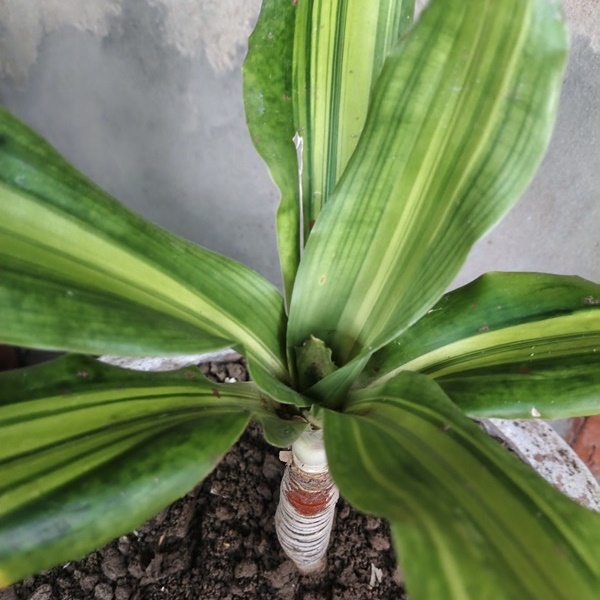
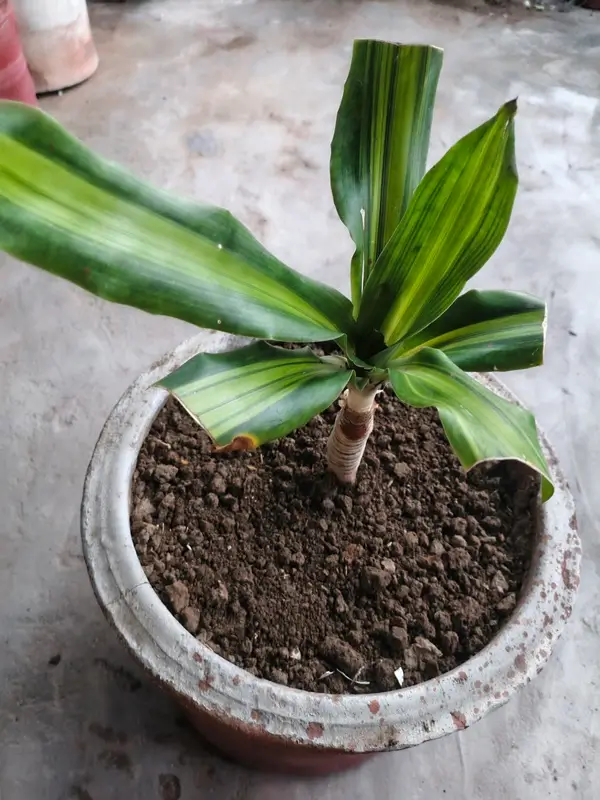
Learning how to care for dracaena fragrans brings rich color & natural beauty into your indoor living space. It is commonly called a corn plant because of the tall & unbranched stem – like a stalk of corn with many broad & strap-like leaves.
Mastering dracaena fragrans care is simply watering & light requirements. Following simple nursery tips will keep your plant green & healthy for years.
2 Key Rules for Dracaena Fragrans Light Requirements
Just a few simple light adjustments can make a huge difference in your plant’s health. Gentle adjustments in your living space help you meet these needs without stress.
Rule 1: Light Distance & Placement Tips
Observing your plant’s leaves is important to catch positioning issues early before permanent damage occurs. Direct midday sun burns tissues & deep shade weakens leaf stems over time.
- Keep your planter 2 to 3 feet away from clear window glass to prevent leaf scorching
- Turn the container a quarter circle every fortnight to avoid crooked stem growth
- Move the pot into brighter surroundings if new leaves grow smaller or lose their stripe contrast
- Shield plant from midday rays to avoid dry, papery brown patches on leaf tips
Rule 2: Identifying Light Stress Symptoms
Watching how your plant responds helps you fix environmental problems – before permanent tissue damage occurs.
| Leaf Symptom | Light Problem | Quick Gardener Fix |
|---|---|---|
| Bleached white spots | Direct sun burn | Move container back behind a sheer drape. |
| Stretched thin stems | Extreme low light | Shift planter closer to natural window light. |
| Yellowing lower leaves | Uneven light distribution | Rotate pot regularly during weekly care. |
2 Methods for Watering Dracaena Fragrans
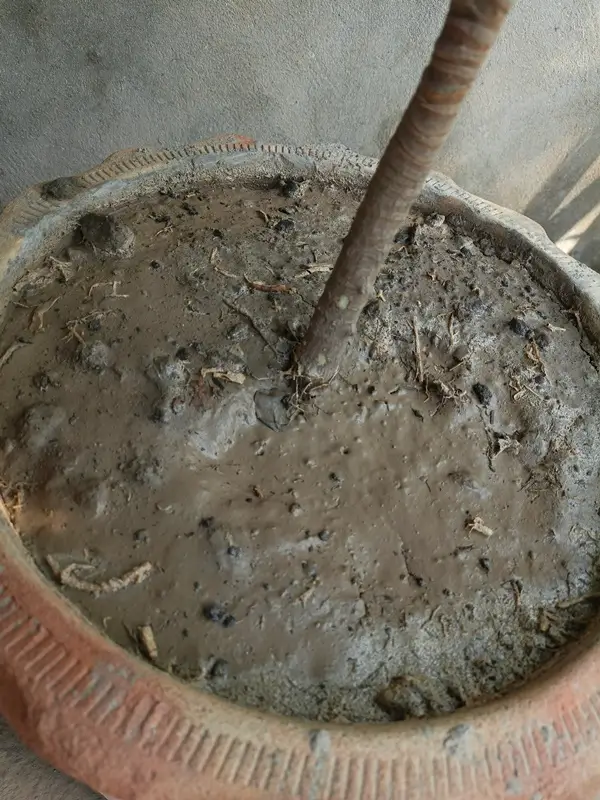
Maintaining a proper hydration schedule – keeps your plant lush & fresh. A required watering schedule protects roots & supports strong leaf growth.
Method 1: Watering Rules & Environmental Adjustments
Changing weather & soil moisture can easily mess up your plant’s watering needs. This table highlights watering parameters for indoor care:
| Watering Parameter | Gardener Target | Practical Care Action |
|---|---|---|
| Tap Water Quality | Chemical-free moisture | Let tap water sit overnight so the chlorine clears out before you water. |
| Seasonal Hydration | Spring & Summer active growth |
Water once a week in summer & drop to every two weeks in winter. |
| Pot Drainage Safety | Zero standing water | Dump out excess water from the bottom tray right after watering. |
Method 2: Soil Testing & Soaking Steps
Applying correct soaking techniques – ensures moisture reaches deep root zones without causing rot. Simple physical checks help you determine the exact right time to hydrate your planter.
- Insert your finger two inches into the soil to confirm the top layer feels dry before watering
- Pour room temperature filtered liquid evenly until it flows out bottom drainage holes
- Avoid using cold tap water directly to prevent shocking sensitive root systems
- Use deep soaking methods rather than small daily surface sprinkles to push out fertilizer salt buildup
-
Want to learn more? Check out this complete guide on plant water requirements
Soil Mix & Best Fertilizer for Dracaena Fragrans
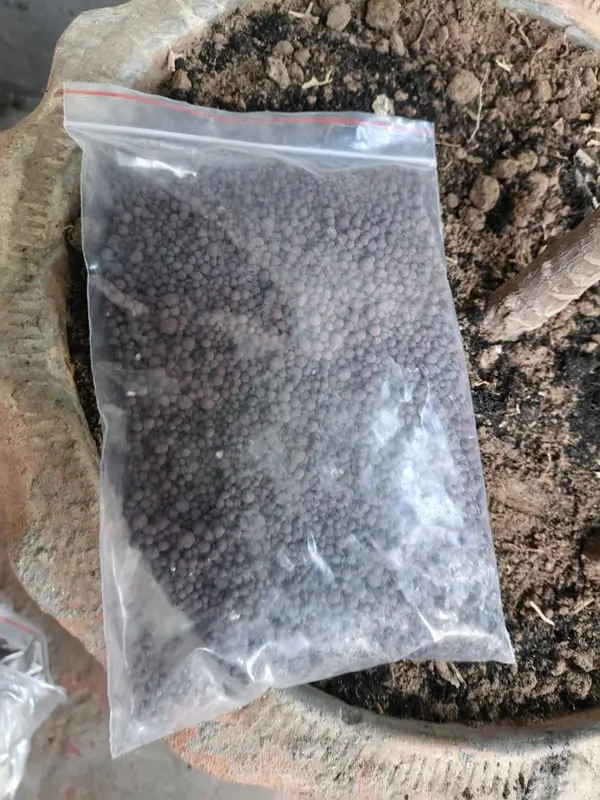
Good soil feeds your plant & keeps the leaves looking fresh. Giving it the right mix & food gives it enough energy to stay green & active in Dracaena fragrans care routine.
- Blend peat moss with coarse pine bark for a light soil mix that retains water well
- Avoid heavy garden soil – because it compacts easily, suffocates roots & causes root rot
- Pause all fertilizer applications during cool autumn & winter months when plant growth naturally slows down
- Replace top two inches of old soil with fresh potting mix every spring to refresh tired containers
Nutrition & Soil Parameters Summary
Using correct fertilizer schedule & soil prevents root shock – while encouraging bright leaf color in growing season.
| Soil & Feeding Factor | Target Level | Practical Action |
|---|---|---|
| Soil pH Range | 6.0 & 6.5 (Slightly acidic) | Mix in a handful of worm castings to keep soil naturally rich. |
| Fertilizer Ratio | Balanced water-soluble (10-10-10) | Mix it with water at half strength so you don’t burn the roots. |
| Active Feeding Window | Spring & Summer active months | Feed your plant just once a month while it’s actively growing. |
Managing Dracaena Fragrans Temperature & Indoor Climate
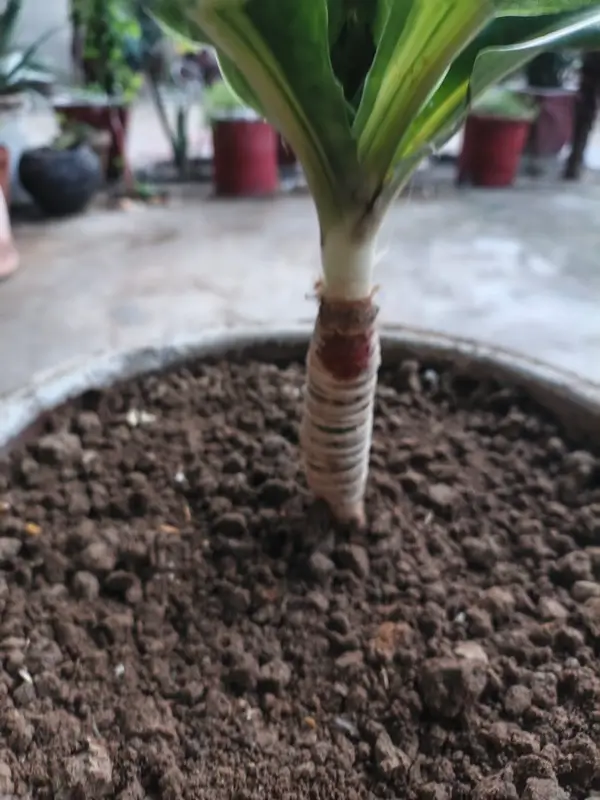
Keeping the air warm & slightly humid prevents unnecessary stress on your plant. Balancing your indoor climate prevents sudden leaf damage.
Temperature Ranges & Cold Draft Protection
Keeping room warm shields roots from cold shocks. Steady indoor temperatures help leaves grow naturally without dropping & turning yellow.
- Keep your room between 65°F & 80°F to encourage steady growth
- Move plant containers away from cold glass window panes during dark winter months
- Shield plant stems from direct airflow caused by air conditioners or heating vents
- Protect root systems from chilly drafts near entrance doors to prevent leaf drop
Humidity Levels & Moisture Solutions
Good air humidity prevents leaf tips from turning brown & crisp. Simple indoor adjustments prevent dry air stress during hot summer days or dry winter heating seasons.
| Humidity Method | Target Level | Gardener Care Action |
|---|---|---|
| Pebble Water Tray | 50% or higher air moisture | Set container on a shallow tray – filled with wet pebbles. |
| Room Humidifier | Stable winter atmosphere | Run a compact humidifier nearby – during dry heating months. |
| Light Foliage Misting | Temporary surface relief | Mist leaves gently in early morning during hot & dry weather. |
How to Propagate Dracaena Fragrans the Best Way?
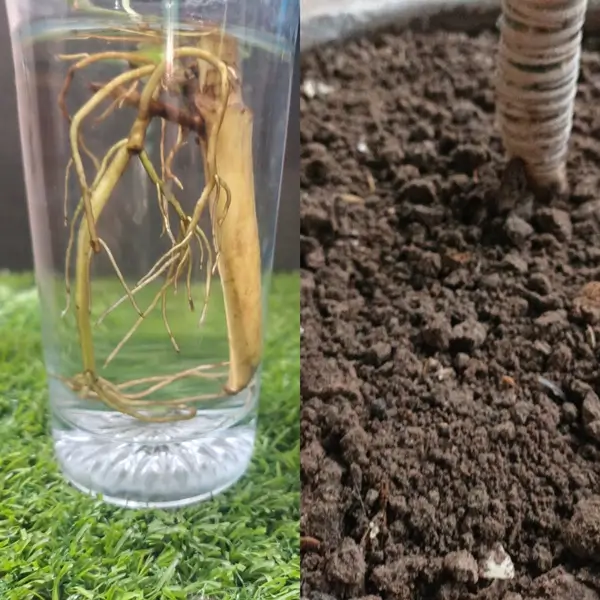
Learning how to propagate is an important part of knowing how to care for Dracaena fragrans- when your plant grows tall & it allows you to create new healthy plants effortlessly at home.
Stem Cutting Selection & Rooting Steps
Selecting healthy stem pieces gives your new cuttings energy needed to form strong root systems quickly. Proper care during this phase supports smooth light requirements & prevents stem decay.
- Cut a 4- to 6-inch stem section – just below a visible leaf node using sharp shears
- Remove lower leaves from stem to prevent buried leaves from rotting in soil & water
- Allow freshly cut stem end to dry for 24 hours to form a smooth protective callous
- Place prepared stem cuttings in clean water & moist potting mix to encourage new root growth
Propagation Methods & Care Comparison
Pick a propagation method that fits your home setup & how quickly you want roots to grow. Keeping moisture balanced is the secret to helping stem cuttings survive.
| Propagation Method | Rooting Timeframe | Recommended Care Action |
|---|---|---|
| Water Propagation | 3 – 4 weeks | Keep soil damp & cover the pot with a clear plastic bag to lock in humidity. |
| Soil Propagation | 4 – 6 weeks | Keep potting soil lightly moist & cover with a clear plastic sheet. |
| Air Layering | 6 – 8 weeks | Wrap moist sphagnum moss around a notched stem until new roots sprout. |
Preventing Dracaena Fragrans Pests & Growing Mistakes
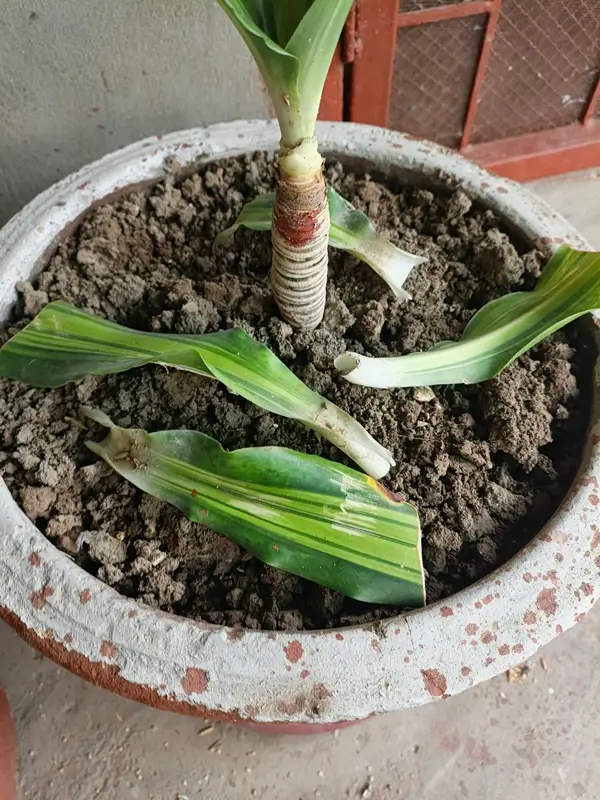
Catching care mistakes early keeps your plant strong & vibrant. A simple weekly checkup is usually all it takes to prevent major pest problems.
Actionable Maintenance: 4 Tips
Implementing pest controls & proper sanitation safeguards your greenery – against sudden environmental stress. Following proper dracaena fragrans care steps keeps leaves clean & healthy without unnecessary chemical use.
- Inspect leaf axils & stem joints weekly to catch early signs of spider mites & mealybug webbing
- Wipe dusty plant with a soft damp cloth – dipped in diluted neem oil
- Flush potting mix with pure distilled water once every season to wash away accumulated mineral fertilizer salts
- Trim brown leaf tips with sharp sanitized shears – following the natural curved contour of healthy plant
Troubleshooting Pest & Care Stress Management
Fixing wrong feeding routines & catching sap-sucking pests early saves your plant from lasting damage. Stick to basic light & watering habits to keep the leaves looking green & healthy.
| Growing Strategy | Common Stress Threat | Recommended Care Action |
|---|---|---|
| Pest Control Routine | Spider mites & mealybug colonies | Spray with mild insecticidal soap as soon as you notice sticky sap or fine webs. |
| Nutrient Management | Fertilizer salt burn on root tips | Stop feeding during autumn & winter to give the roots time to rest. |
| Foliage Maintenance | Dust blocking leaf pores | Wipe both sides of the leaves once a month to help them breathe & take in light. |
Frequently Asked Questions
How often should I water my Dracaena Fragrans?
Water only when top two inches of soil feel dry to touch. Overwatering suffocates root systems - which leads to root rot & yellowing leaves. Always adjust your hydration routine - based on indoor temperatures & seasonal needs.
Why are the leaf tips on my plant turning brown?
Dry air & low humidity usually cause crisp brown leaf tips. Tap water minerals like fluoride & chlorine can also stress the plant over time. Grouping your houseplants together or setting up a pebble tray easily fixes this problem.
How much light does this indoor plant actually need?
Bright & indirect sunlight is necessary for maintaining leaves & supporting steady growth. Direct midday sunlight must be avoided - as it quickly scorches plant leaves. Dracaena plant tolerates lower light settings - its growth rate will naturally slow down.
Is Dracaena Fragrans toxic to household pets?
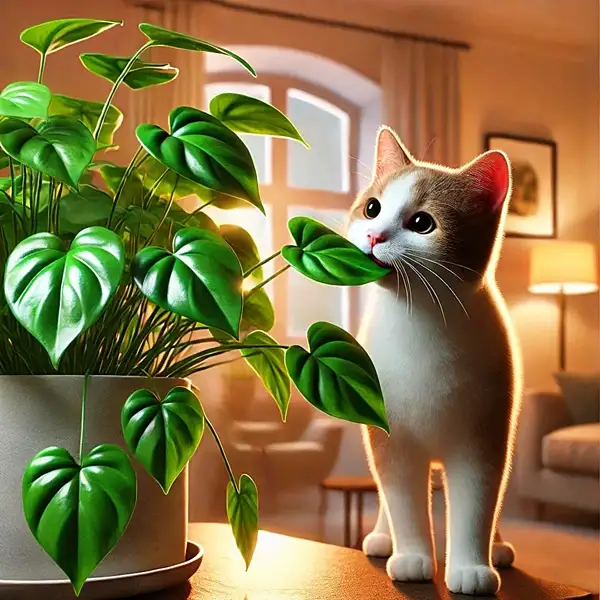
Yes, this houseplant contains natural saponins - that are harmful to cats & dogs if ingested. Consuming this plant can cause digestive upset, vomiting & excessive drooling in small pets. Place your containers on elevated plant stands & in areas away from your pets.