
Key Takeaways
| What You Will Learn | How It Helps Your Plant |
|---|---|
| Dracaena Basic Care | Discover how tropical conditions ensure long-term health. |
| Temperature & Humidity | Learn how climate adjustments prevent brown leaf tips. |
| Light Requirements | Find out how indirect light protects foliage and stems. |
| Watering Routines | Uncover how balanced moisture prevents root rot. |
| Seasonal Feeding | See how timely nutrition fuels spring and summer growth. |
| Pest & Disease | Understand how early signs can help recover stressed leaves fast. |
Mastering how to care for dracaena plant at home is simple when you understand its basic needs.
Dracaenas are popular types of houseplants for their adaptability & appearance.
These tropical beauties require care routines that allow them to stay healthy & vibrant.
Let’s delve into the world of dracaena care to ensure these delightful plants enrich your interior space for a long time.
Dracaena Core Foundation & Origin Dynamics
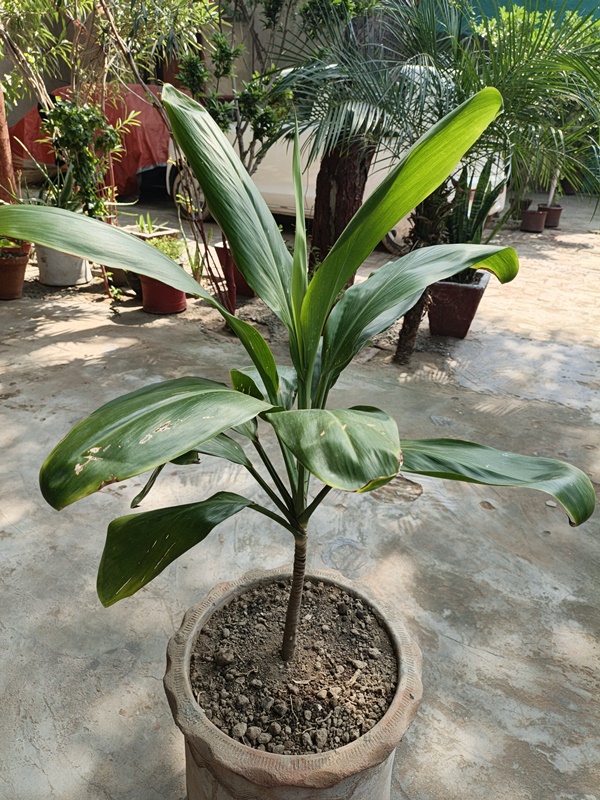
Dracaenas are stunning tropical plants native to warmer regions of Africa, South Asia, & Northern Australia.
Mastering how to care for dracaena plant starts with its habitat.
These plants grow under lush forest canopies – where heat remains low & sunlight filters through tall trees.
The foundation for dracaena care requires- healthy soil, good drainage, & consistent light.
If you respect their basic needs, your indoor plant will grow with rich green.
1. Forest Canopy Origin & Natural Environment
Most wild varieties thrive in woodland microclimates – where humidity remains moderate & temperatures stay warm.
According to plant research from Encyclopædia Britannica – dracaenas belong to Asparagaceae family & have dozens of species.
When you place a dracaena plant in your living area – try to recreate that forest-floor environment.
Avoid cold weather for healthy growth.
Replicating gentle & good conditions minimizes environmental stress & allows your plant to establish deep root systems without any stress.
2. Select Soil Mix & Drainage Pots: 4 Steps
Proper root aeration is key – when learning how to care for dracaena plant indoors.
- Select a light & well-draining soil with organic matter, peat moss, & perlite for water drainage.
- Always select a container with drainage holes.
- Terracotta & unglazed ceramic pots work well – because their walls allow moisture to evaporate naturally.
- Your container leaves roughly two inches of space around root ball – so plant can expand without getting root-bound too quickly.
3. Lighting Rules for Dracaena Plant Care
Finding right spot is most important steps in dracaena plant care.
- These resilient houseplants love bright & indirect sunlight for photosynthesis.
- Direct rays quickly scorch leaf tips & leaving permanent brown patches.
- Position your pot near an east-facing window – where it gets gentle morning sun.
4. 4 Seasonal Adjustments for Year-Round Care
Your overall care for dracaena should naturally adjust as seasons change throughout year.
- During active growth months in spring & summer – your plant consumes more water & energy to produce crisp leaves.
- Growth slows down in autumn & winter – when natural daylight hours drop.
Ideal Climate & Humidity for Indoor Dracaena
Knowing how to care for dracaena plant means moniter indoor climate.
Dracaena originate from warm regions – temperatures & comfortable humidity levels are necessary for a healthy plant.
1. Ideal Indoor Temperature Ranges for Growth
- Dracaena plants grow best in average room temperatures – between 65°F & 80°F – (18°C to 27°C).
- They are sensitive to sudden cold draft, so avoid placing your pot near cold window & air conditioning during cooler months.
2. Managing Humidity Levels: 3 Methods
- While dracaenas can grow to normal home humidity – they prefer high moisture levels around 40% to 60%.
- If your indoor air is dry – use a room humidifier & place a pebble tray filled with water.
3. Shielding Stems from Unexpected Cold Exposure
- Temperatures below 55°F – (12°C) & thermal shifts can cause leaf drop, yellowing & browning leaves.
- Set your plant in a stable environment to prevent dry & brown leaf tips.
Ideal Light Requirements for Growing Healthy Dracaena
Understanding how to care for dracaena plant start with their lighting conditions.
Sunlight acts as an energy source for photosynthesis & stem strength.
Providing correct duration of light helps avoid faded leaf patterns, leggy growth & stunted development.
1. 2 Simple Ways to Provide Bright Indirect Light
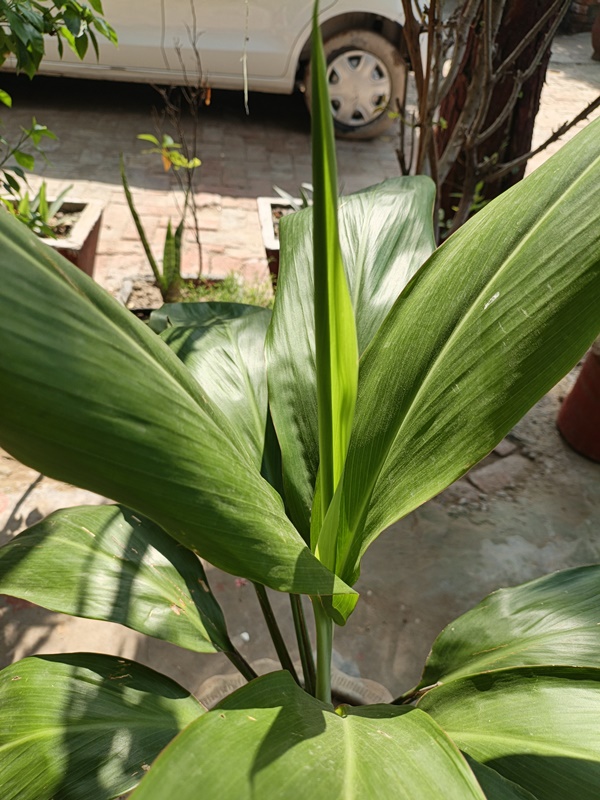
- For growth, most dracaena—including Dracaena marginata, Dracaena fragrance & Dracaena reflexa—prefer medium to bright & indirect sunlight.
- Placing your plant near a window provides plenty of diffused light without risking plant damage.
According to research from University of Florida IFAS Extension – indoor plants exposed to bright filtered light-maintain stronger photosynthetic efficiency & display richer color contrast, especially in variegated cultivars.
2. Managing Low-Light Conditions & Adaptation
- One reason Dracaena plants are featured on NASA Clean Air Study list for top air-purifying indoor plants – is their remarkable adaptability to darker indoor corners.
- They can survive in low-light environments – but their growth rate will drop.
- In low light – reduce watering to avoid waterlogging soil to prevent them from becoming thin & weak.
3. 3 Rules to Avoid Direct Sunlight Damage
- Direct & intense sunlight—during hot summer—is harmful to dracaenas.
- Unfiltered sun rays quickly strip moisture from leaves resulting in spots, crispy brown tips & permanent plant burn.
- If your window receives harsh direct sunlight – use curtains & blinds to soften intensity.
4. Using Artificial Grow Lights for Indoor Setups: 3 Steps
- If your home lacks natural light – supplementing with artificial lighting is an effective solution.
- Full-spectrum LED grow lights positioned 12 to 18 inches above canopy – can simulate natural sunlight for growth.
- Keep grow lights on for roughly 10 to 12 hours a day – ensuring your dracaena receives enough light energy without overheating.
How to Water Dracaena: Hydration & Care Guidelines
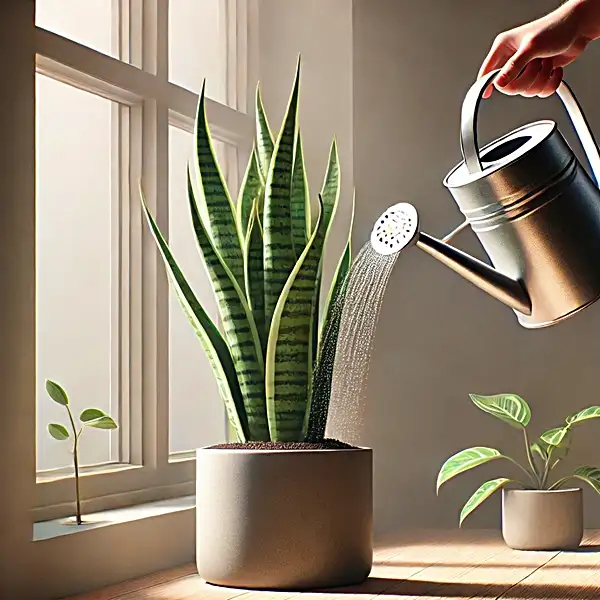
- Developing a balanced watering schedule is necessary for maintaining plant & protecting root structures.
- Overwatering is primary reason – indoor plants experience root deterioration & leaf discoloration.
- Dracaena store moisture within their thick stems & root systems.
- They thrive best under a soak-&-dry approach – that allows potting medium to breathe between hydration cycles.
1. Soil Testing Before Watering: 2 Steps
- Before reaching for your watering can – test upper layer of soil to assess moisture levels accurately.
- A reliable technique is to allow top 50% to 75% of soil mixture to dry out completely before adding more water.
2. Choosing the Right Water Type for Leaves: 4 Mathods
- Dracaena species are sensitive to minerals commonly found in tap water – such as fluoride, chlorine & salts.
- Hard municipal water can cause distinct brown & crispy tips on leaf margins.
- For optimal leaf health – water your plants using distilled water, rainwater, or filtered water.
- Tap water is your only option – letting it sit overnight in an open container helps dissipate chlorine compounds before application.
3. Techniques to Prevent Root Rot & Drainage Issues
- Root rot is a destructive fungal condition – caused by stagnant water trapped around roots.
- Always choose pots with drainage holes to let excess moisture escape freely.
- If you keep a decorative tray or saucer under pot – discard any accumulated runoff within 15 to 20 minutes after watering.
- You can read more about soil & healthy drainage structures on Missouri Botanical Garden.
4. Seasonal Hydration Adjustments for Strong Roots
- Moisture needs depend on time of year & active growth cycles.
- During spring & summer – warm temperatures & higher light levels – require consistent watering every 7 to 10 days.
- In autumn & winter – plants grow slowly, meaning you should reduce watering frequency to every 2 to 3 weeks to prevent root suffocation.
Seasonal Feeding Routine for Dracaena Plants
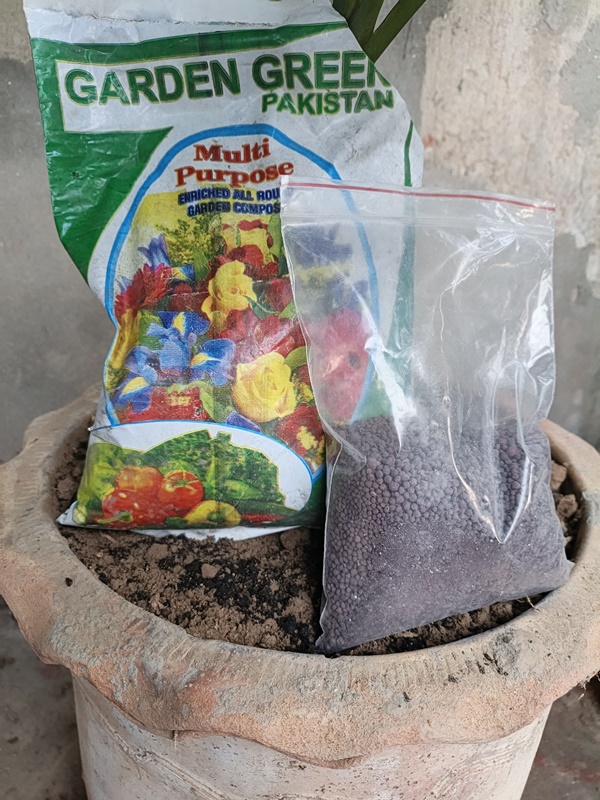
Providing timely nutrition is good for supporting healthy stem growth, root expansion & leaf formation.
Because indoor environmental conditions change with seasons – adjusting your fertilizer routine prevents nutrient deficiencies protecting delicate roots from mineral build-up & soil burn.
1. Growth for Spring & Summer Feeding: 2 Active Methods
During warm months – dracaenas experience their growth phase due to longer daylight hours & warmer temperatures.
- Apply a balanced water-soluble liquid fertilizer once every 4 to 6 weeks.
- Regular feeding during active growth – ensures your plant receives nitrogen, phosphorus & potassium required to build strong tissue.
If you want to learn more about right soil mix before fertilizing – read our guide on how to repot dracaena plant.
2. Suspending Fertilizer in Cold Autumn & Winter
- As daylight decreases in autumn & winter – dracaena growth slows significantly as plant enters a semi-dormant state.
- Suspend all fertilizing completely from late October through early March.
- Applying fertilizer during cold months – when plant cannot absorb it leads to salt accumulation in soil.
3. Soil Flushing Techniques for Over-Fertilization
- Monitoring plant color helps your feeding schedule. Pale & yellowing leaves indicate a lack of nutrients.
- Dark brown & crispy leaf edges or a white crust on soil surface signal severe over-fertilization.
- If you notice salt on potting mix – flush soil thoroughly with clean & distilled water to wash away excess minerals.
Troubleshooting Common Dracaena Pests & Diseases
Even with consistent attention – houseplants encounter pest infestations & environmental diseases.
Identifying symptoms early allows you to take action – protecting overall health & structural integrity of your plant.
1. Pest Control Methods for Common Household Insects
- Most common pests targeting indoor dracaenas – include spider mites, mealybugs & scale insects.
- These sap-sucking pests causing plant yellowing & leaves to drop.
- Applying natural neem oil spray – effectively neutralizes active populations without damaging leaf tissues.
2. Spotting Bacterial Leaf Spots & Fungal Infections
- Bacterial leaf spot & fungal infections – appear as dark reddish-brown spots.
- These issues excess moisture sitting on leaf surfaces & poor air movement around plant.
- Keep plant dry improve ventilation & prune away affected leaves using disinfected tools.
3. 2 Quick Fixes for Brown Tips & Edge Curling
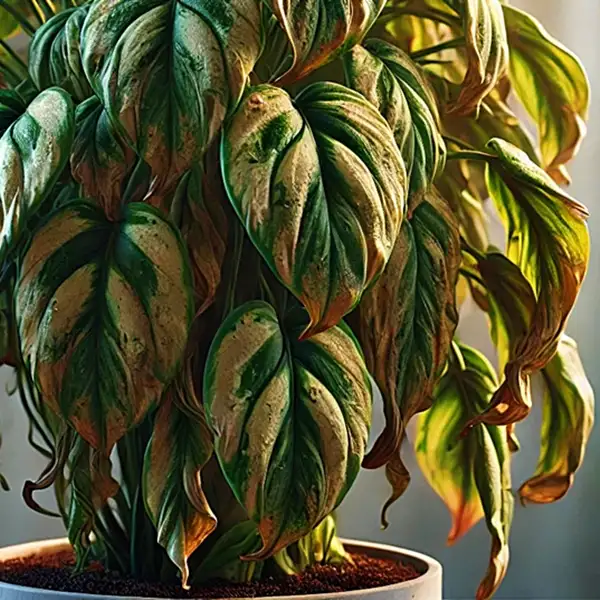
- Crispy brown tips are caused – by dry indoor air, low humidity & chemical sensitivities.
- Soft & curling leaves are due to under-watering & root stress from cold drafts.
- Adjusting humidity levels & switching to distilled water resolves new growth discoloration.
4. Repotting Options for Stressed Root-Bound Plants
- When a dracaena outgrows its container – roots begin tightly circling bottom, restricting water intake & leading to stunted growth.
- If you observe roots emerging from drainage holes – repot your plant to a container 2 inches larger in diameter.
- Fresh potting soil provides renewed space & oxygen – allowing damaged roots to recover quickly.
Frequently Asked Questions
How do you care for a Dracaena plant indoors?
To care for a dracaena plant indoors - place it in bright indirect sunlight & maintain moderate room temperatures. Water only when top half of soil dries out completely & keep plant in a pot with good drainage.
How many times should I water Dracaena?
Water your dracaena plant once every 7 to 10 days during spring & summer - when it is actively growing. In autumn & winter reduce watering to once every 2 to 3 weeks as soil takes longer to dry.
What are common problems with Dracaena plants?
Common problems include yellowing leaves from overwatering brown leaf tips - caused by dry air or tap water minerals & leaf drop due to sudden cold temperatures or root rot.
How long does a Dracaena plant last?
With proper indoor care a dracaena plant can easily live for 10 to 15 years or more. They are long lasting perennial houseplants that grow steadily when provided with stable warmth & indirect light.