
Key Takeaways
| What You Will Learn | How It Helps Your Plant |
|---|---|
| Dracaena Marginata Origin | Discover the island where Dracaena marginata first grew. |
| Wild Madagascar Native Climate | Learn how Dracaena marginata grows in its natural home. |
| Dracaena Marginata Traits | Uncover features that define this species. |
| Identifying Dracaena Marginata | Understand visual details to spot a genuine variety. |
| Dracaena Marginata Care | Master simple daily routines to keep plant dark green & red. |
| Ideal Indoor Plant Placement | See where your Dracaena marginata grows best in your home. |
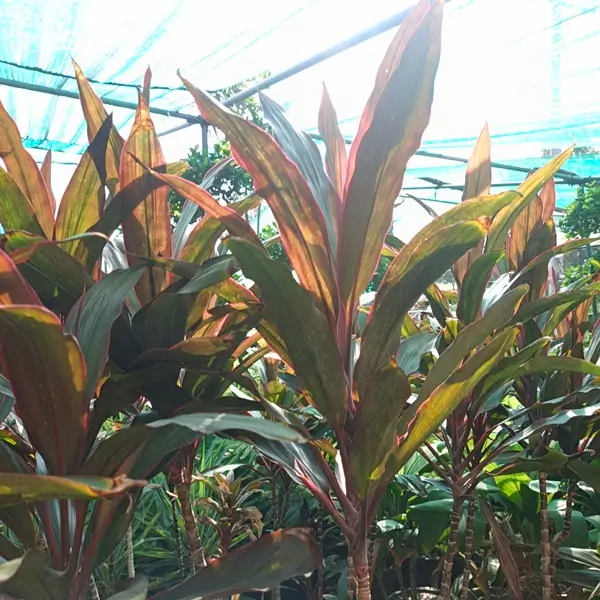
Where did the Dracaena marginata originate? The story of this stunning plant takes us straight to the tropical shores of Madagascar. When you recreate its native conditions indoors, it stays healthy and vivid for years.
4 Native Origin Factors for Dracaena Marginata
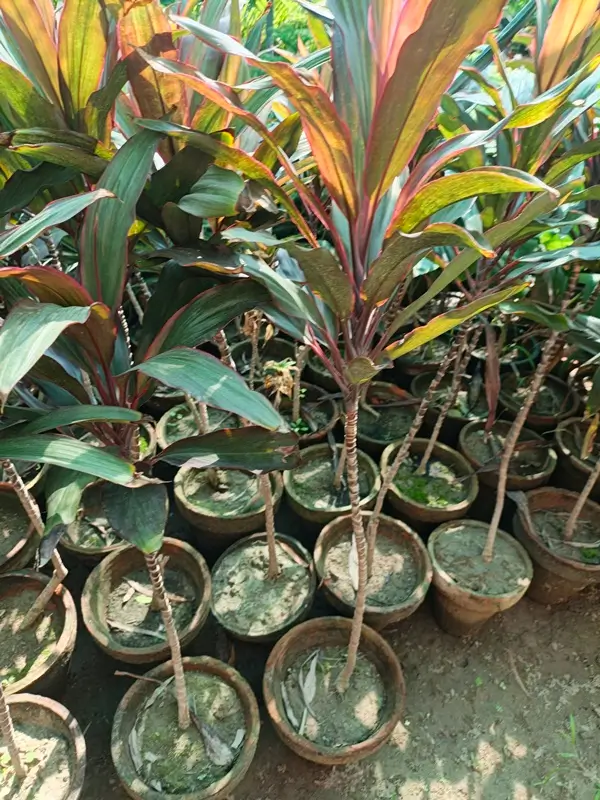
Dracaena marginata is a popular plant with stems & narrow leaves edged in red. The plant is native to Madagascar, an island in Indian Ocean off the southeastern coast of Africa.
Factor 1: Island Geography
- Dracaena marginata is native to Madagascar – a large island in the western Indian Ocean
- Madagascar lies off southeastern coast of Africa
- The island contains forests, dry landscapes, & many other natural habitats.
- The plant grew in its native range long
- Its common name is Madagascar dragon tree
- Its native location helps explain why it is associated with warm growing conditions
Factor 2: Coastal Environment
- Madagascar has different climates in its regions
- Rainfall, humidity & temperatures vary from place to place
- These local differences affect the plants that grow
- Indoor plants need suitable light, watering & temperature
- Well-draining soil helps prevent excess moisture
Factor 3: Botanical Discovery
- Dracaena marginata scientific name is Madagascar dragon tree
- Botanical names help distinguish plants from other species
- Scientific databases help readers check accepted names & botanical records
- Knowing the correct name makes it easier to find reliable plant information
- Its botanical history is separate from the history of its popularity as a houseplant
Factor 4: Global Distribution
- Dracaena marginata is now cultivated in many countries
- Its upright growth makes it suitable for indoor spaces
- It grows well in containers
- Its narrow leaves add greenery without creating a wide canopy
- In cooler climates – people commonly grow it indoors
- Nurseries sell it as an ornamental plant
For more detailed growing advice – read our guide on How to Care for Dracaena.
4 Climate Conditions for Dracaena Marginata
Madagascar dragon tree – this plant grows in natural environments regional temperature, humidity, rainfall & light conditions. Learning about its history also provides background for a complete care.
Condition 1: Temperature Balance
- Warm conditions: Dracaena marginata generally prefers warm environments
- Cold sensitivity: Freezing temperatures can damage its leaves & stems
- Seasonal variation: Temperatures vary by region & season in Madagascar
- Growth response: Prolonged cold or sudden temperature changes may cause stress
- Indoor adaptation: Stable household temperatures generally suit this plant
Condition 2: Humidity Levels
- Natural humidity: Humidity depends on the plant’s particular growing environment
- Seasonal changes: Air moisture can change as rainfall patterns shift
- Indoor tolerance: Dracaena marginata can adapt to typical household humidity
- Dry conditions: Very dry indoor air may contribute to brown leaf tips
- Environmental balance: Suitable humidity & good airflow support healthy foliage
Condition 3: Rainfall Cycles
- Seasonal rainfall: Different regions of Madagascar experience different rainfall patterns
- Moisture availability: Soil moisture changes with rainfall & seasonal weather
- Dry periods: Some environments experience periods with less available moisture
- Natural drainage: Soil drainage influences how long moisture remains around the roots
- Growing adaptation: This plant can tolerate some dryness between watering periods
Condition 4: Light Exposure
- Natural light exposure: Light conditions vary across its native habitat
- Vegetation cover: Surrounding plants may influence how much direct sunlight reaches the foliage
- Light adaptation: Dracaena marginata can adapt to a range of indoor light levels
- Growth patterns: Adequate light supports healthy growth & attractive leaf colouring
- Plant identification: Its long, narrow leaves & reddish margins help identify the plant
5 Natural Growth Traits of Dracaena Marginata
Dracaena marginata has several distinctive traits that make it easy to identify as an ornamental houseplant.
Trait 1: Architectural Trunk Structure
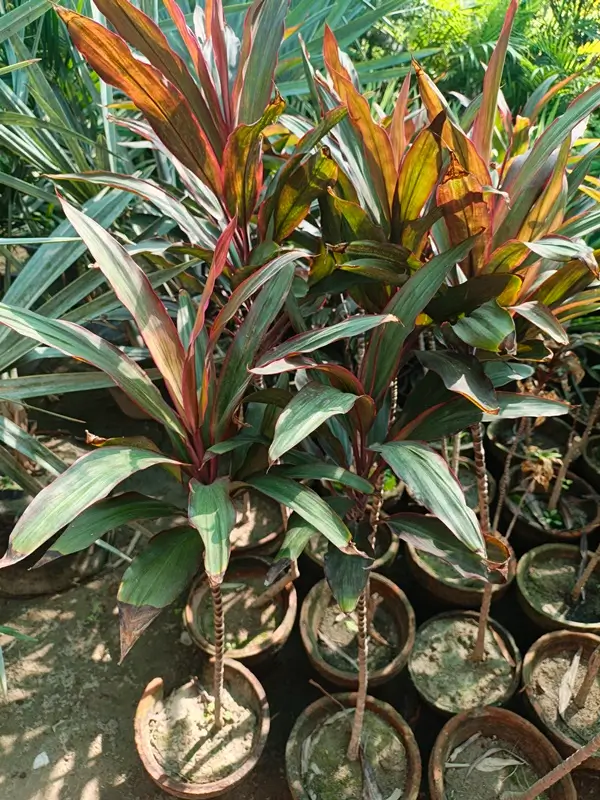
- Dracaena marginata origin shapes its elegant trunk development over many years
- Slender woody stems grow upward with a quiet & graceful strength
- These trunks occupy very little floor space while bringing vertical life into quiet room corners
- The flexible wood adapts gently – when guided into creative shapes
- Light grey bark develops subtle lines as stem matures into a sturdy indoor tree
Trait 2: Flexible Ribbon Foliage
- A remarkable aspect of Dracaena marginata traits is its delicate ribbon foliage
- Long narrow leaves cascade gracefully downward like a living fountain
- This flexible design helps plant endure gentle handling & indoor air movements
- Older leaves lower down drop away naturally to make room for fresh top growth
Trait 3: Gradual Height Evolution
- This patient plant follows a very slow growth pace inside home spaces
- It adds only a few inches of height each year – making it a peaceful long-term companion
- This steady development gives woody stems plenty of time to strengthen
- Roots expand gently without crowding pot or needing frequent changes
Trait 4: Minimalist Nutrient Needs
- One of the most comforting Dracaena marginata traits is its humble appetite for soil nutrients
- It grows happily in simple potting soil
- The plant naturally preserves its energy & keeps its leaves vibrant even during quiet growing seasons
Trait 5: High Drought Tolerance
- This forgiving species holds water efficiently inside its root system & woody stem tissue
- It survives occasional dry spells with ease – making it ideal for busy household routines
- When moisture is scarce – plant simply rests until fresh water arrives to nourish its leaves again
5 Key Features to Identify Dracaena Marginata
Dracaena marginata has many features that make it easy to identify. Understanding how to identify Dracaena marginata helps saperate it from similar plants.
Feature 1: Leaves Characteristics
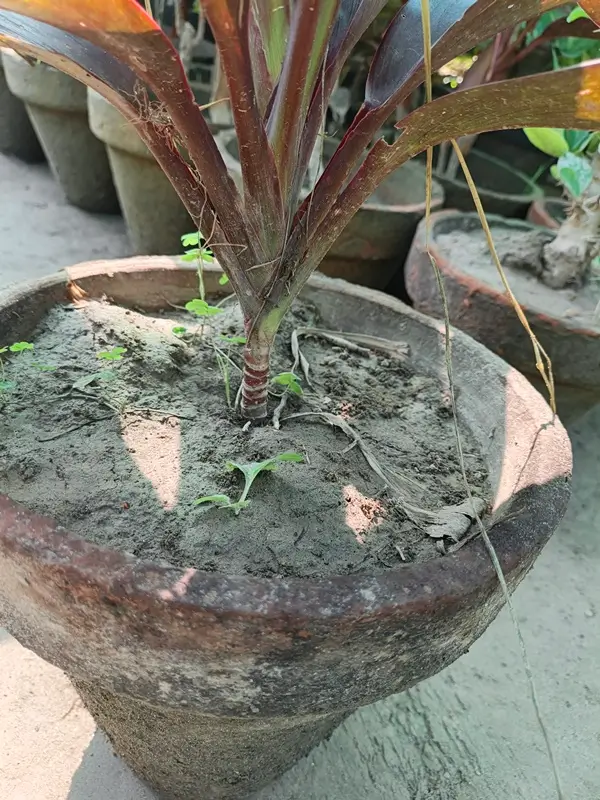
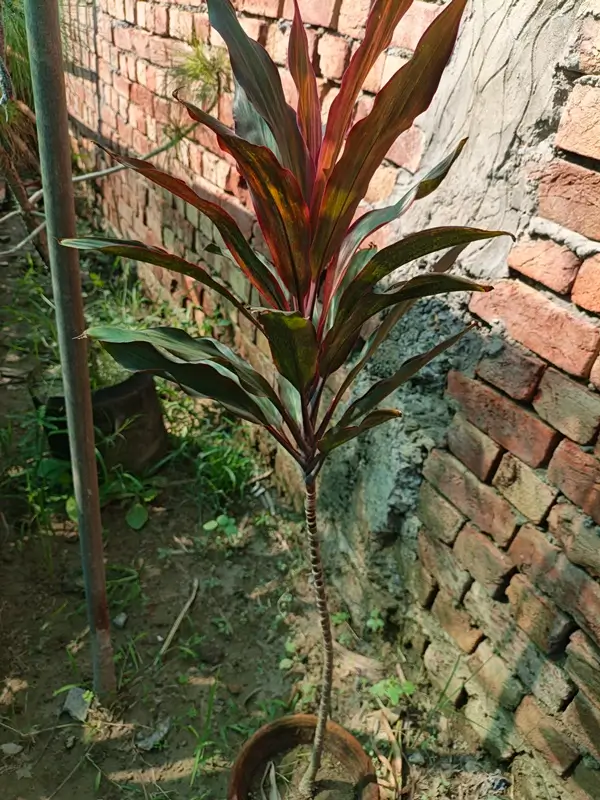
- Dracaena marginata has long & narrow leaves
- The leaves have pointed tips
- Most leaves are green with red edges
- The leaves grow in clusters
- New leaves appear at the stem tips
- Leaf shape helps identify this plant
Feature 2: Stem Features
- Dracaena marginata has slender & woody stems
- The stems are often called canes
- This exposes more of the stem
- Some plants have one main stem
- Others develop several stems
Feature 3: Growth Pattern
- Dracaena marginata grows slowly indoors
- Its stems grow upright
- New leaves emerge from the growing tips
- Older plants may develop more branches
- Pruning can encourage new shoots
- Light & watering affect its growth
Feature 4: Leaf Colour
- Most leaves are green with reddish edges
- Some varieties have different leaf patterns
- The red margins are a key feature
- Yellow leaves may indicate a care problem
- Brown tips can result from dry air or other stress
Feature 5: Similar Plant Differences
- Dracaena marginata can resemble other houseplants
- Its narrow leaves help distinguish it
- The reddish leaf edges are another clue
- Its woody stems give it a tree-like shape
8 Essential Care Steps for Dracaena Marginata
A good care guide should cover daily care, seasonal changes & common problems.
Step 1: Light Requirements
- Dracaena marginata grows well in bright & indirect light
- Place it near a bright window
- Avoid strong afternoon sunlight
- Direct sunlight can burn its leaves
- Low light may slow its growth
- Rotate the pot for even light exposure
Step 2: Watering Routine
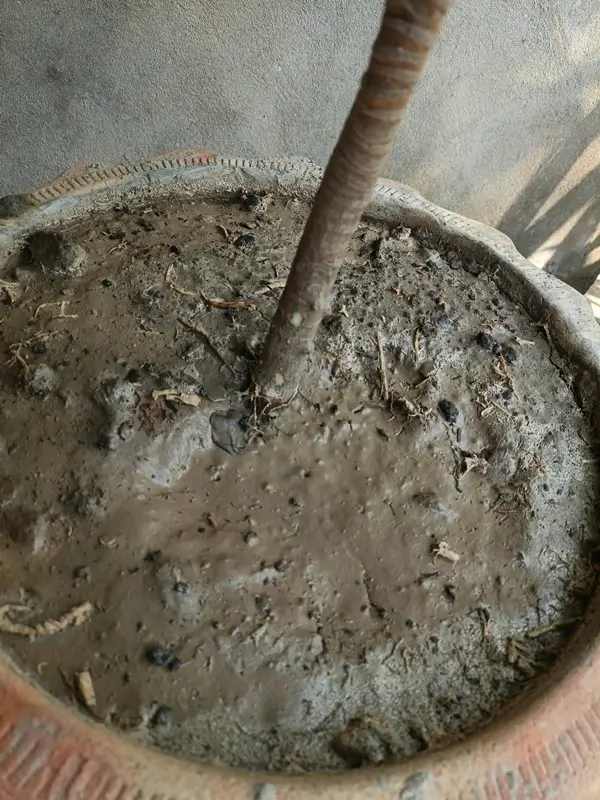
- Water Dracaena marginata when the top soil begins to dry
- Check the soil before watering
- Water thoroughly until excess water drains out
- Empty the water collected in the saucer
- Wet soil can damage the roots
- Water less often in winter
Step 3: Soil & Pot Selection
- Choose loose & well-draining soil
- Use a pot with drainage hole
- Avoid heavy soil that stays wet
- Choose a pot that fits the root system
- Repot when roots become crowded
- Fresh soil can support healthy growth
Step 4: Temperature & Humidity
- Keep Dracaena marginata in a warm room
- Protect it from cold drafts
- Avoid sudden temperature changes
- Normal household humidity is usually suitable
- Keep the plant away from direct heater airflow
- Watch for brown leaf tips in very dry conditions
Step 5: Fertilizing
- Feed the plant during active growth
- Use a balanced houseplant fertilizer
- Follow the label instructions
- Avoid applying too much fertilizer
- Do not feed a severely stressed plant
- Reduce feeding during winter
Step 6: Pruning
- Remove dead or damaged leaves
- Use clean & sharp pruning tools
- Trim stems to control plant height
- Pruning may encourage new shoots
- Avoid removing too much growth at once
- Clean the tools after use
Step 7: Seasonal Care
- Check the soil more often during warm weather
- Reduce watering when growth slows
- Provide enough light during winter
- Keep the plant away from cold windows
- Check the leaves for colour changes
- Adjust care as the seasons change
Step 8: Health Checks
- Inspect leaves every week
- Look for pests on the undersides
- Check for soft or dark stems
- Make sure pot drains properly
- Remove fallen leaves from soil surface
- Correct care problems as soon as possible
5 Ideal Indoor Locations for Dracaena Marginata
Choosing the right indoor location helps Dracaena marginata grow well.
Location 1: Bright Living Room Corners
- Place it near a bright window with indirect light
- Gentle morning sunlight can suit plant
- Avoid strong afternoon sunlight
- Rotate the pot occasionally for even growth
Location 2: Bedroom Nightstands or Side Tables
- A bright living room can be a good place
- A bedroom can also suit plant if it receives enough daylight
- Choose a stable corner with enough space
- Keep plant away from heaters & cold drafts
- Avoid dark areas with very little natural light
Location 3: Office Desk & Workspace Areas
- Dracaena marginata can add greenery to an office
- Keep it away from strong air-conditioning airflow
- Wipe dust from the leaves with a soft cloth
Location 4: Well-Ventilated Entryways & Hallways
- Keep Dracaena marginata away from heaters & radiators
- Hot airflow can dry the leaves
- Sudden temperature changes may stress the plant
- Avoid squeezing it between large pieces of furniture
- Choose a stable surface with enough room for the stems
Location 5: Placement & Ongoing Care
- Observe Dracaena marginata after moving it to a new place
- Give it time to adjust to the light
- Check the soil before watering
- Avoid changing its position repeatedly
Frequently Asked Questions
What Is the Dracaena Marginata Origin?
Dracaena marginata originates from Madagascar - an island off the southeastern coast of Africa. It is also known as the Madagascar dragon tree. Its natural background helps explain its preference for warm growing conditions.
What Is the Dracaena Marginata Native Habitat?
The Dracaena marginata native habitat is in Madagascar. The plant grows in warm environments with varying local conditions. Indoors, it needs suitable light, well-draining soil & careful watering.
How Do You Follow a Dracaena Marginata Care Guide?
A good Dracaena marginata care guide starts with bright, indirect light & well-draining soil. Water when top layer of soil begins to dry. Keep plant in a warm place and avoid leaving its roots in standing water.
What Is the Madagascar Dragon Tree History?
The Madagascar dragon tree history is connected to Madagascar - its native island. Dracaena marginata became popular as an ornamental plant because of its narrow leaves, upright stems & distinctive appearance. It is now commonly grown indoors.