
Key Takeaways
| What You Will Learn | How It Helps Your Plant |
|---|---|
| Best Time for Propagation | Discover the exact season when your plant roots fastest and avoids shock! |
| Water Propagation Method | How to easily root cuttings in water without risking stem decay? |
| Soil Propagation Method | When should you plant directly in soil for maximum root strength? |
| Ideal Cutting Technique | Where to make the precise cut to stimulate quick, healthy new leaves? |
| Post-Propagation Care | How to protect your fragile young roots during the critical first weeks? |
| Common Errors to Avoid | Which hidden mistakes cause rot, and how to keep your cutting thriving? |
Learning how to propagate dracaena is a way to expand your plant collection. Taking healthy stem cuttings allows you to quickly root dracaena cuttings at home. If you notice any discoloration on your plant, check our guide on how to fix dracaena leaves turning yellow to restore its health.
Essential Factors for Dracaena Propagation Timing
Choosing the right season helps your stem cuttings form healthy roots much faster & prevents stem rot.
1. Spring Dracaena Growth Window
- Spring season is best time for quick & healthy results
- Warmer room temperatures trigger plant hormones for fast root development
- Increasing daylight hours gives fresh cuttings maximum energy without stress
- Cuttings in spring face a very low risk of fungal infection or stem decay
- Active growth cycles help new roots establish strongly within just two to three weeks
2. Summer Dracaena Temperature Control
- Early summer supports propagation during warm months
- High indoor humidity levels speed up leaf hydration & node activity
- Always keep your glass jars away from direct sunlight
- Direct sunlight overheats water & damages new root tissue
- Fresh water changes every few days maintain oxygen levels
3. Autumn Dracaena Care Adjustments
- Late warmth makes early autumn a suitable time for propagating
- Stem cuttings root steadily before colder temperatures arrive in late months
- Controlled indoor climate protects young growth from cold night drafts & sudden chills
- Proper care helps new plants settle into potting mix before dormant cycles begin
- Reduced sunlight requires placing cuttings in bright locations
4. Winter Dracaena Dormancy Risks
- Winter is not recommended for dracaena propagation
- Cold weather slows down root growth in both water & soil methods
- Low light conditions weaken fresh stem cuttings & delay root
- Water remains cold for long periods – which increases risk of stem rot
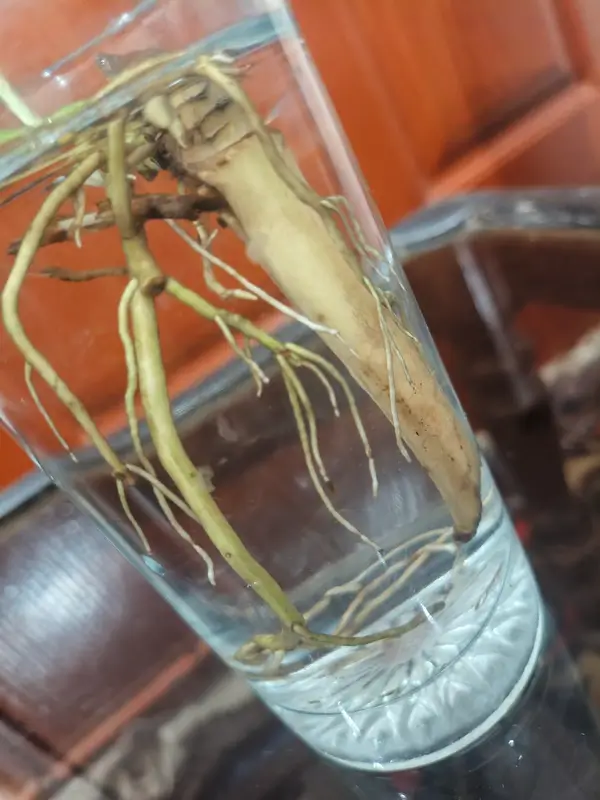
Dracaena Water Propagation Steps
This clean method lets you observe root growth daily without disturbing fragile tissue.
Step 1: Select Healthy Dracaena Cuttings
- Selecting healthy parent stems guarantees successful propagation
- Always cut a strong stem section using sharp & sterilized pruning shears
- Make your clean cut directly below a leaf node
- Ensure parent plant is fully hydrated
- Avoid using weak, soft & diseased stems
Step 2: Prepare Dracaena Stem Cuttings
- Strip off all bottom leaves carefully to prepare stem for water
- Keep three to four healthy leaves on top for proper light absorption
- Trim large top leaves in half to reduce moisture loss
- Allow fresh stem cut to air dry for ten minutes
Step 3: Setup Dracaena Water Container
- Use a clear glass jar or tall vase
- Fill glass container with room-temperature filtered water or clean rainwater
- Submerge bottom two inches of bare stem completely in fresh water
- Clear glass jars help you monitor root growth progress daily
- Keep upper leaves resting fully above waterline to avoid decay
Step 4: Manage Care & Dracaena Soil Transition
- Position glass jar in a warm spot with indirect sunlight
- Change water every three to four days to maintain oxygen levels
- Rinse submerged stem gently if you notice any slippery or slimy buildup
- Switch to propagating in soil once new roots reach two inches long
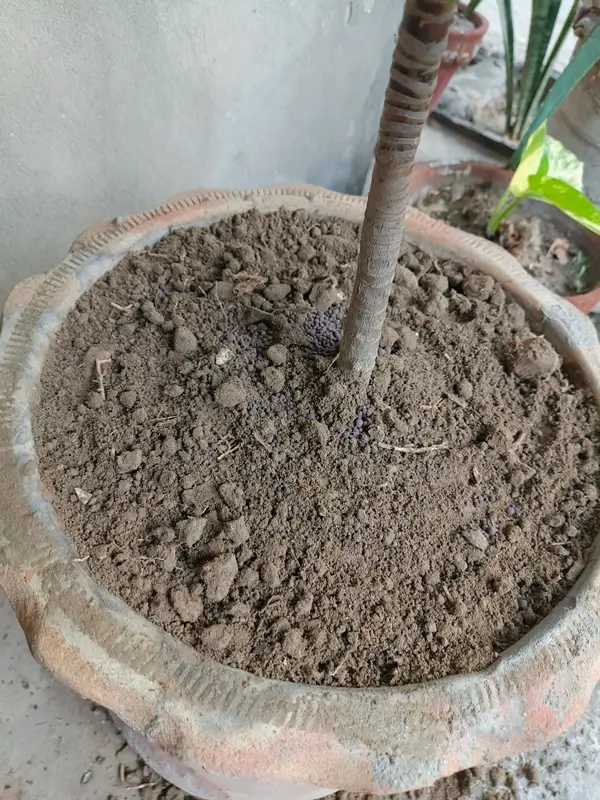
Dracaena Soil Propagation Methods
Propagating Dracaena directly in soil is an excellent method. Taking proper steps with potting mix ensures your stem cuttings establish quickly without rotting.
Method 1: Choose Soil & Dracaena Container
- Use a well-draining potting mix
- Select a small pot with clear drainage holes
- Heavy soils retain too much moisture
- Following basic tips on how to care for dracaena helps young roots absorb nutrients easily
- Clean pots prevent fungal spores from infection
Method 2: Prepare Dracaena Stem Section
- Cut a clean stem section using sharp shears
- Remove leaves from lower section of the stem to expose nodes clearly
- Dip freshly cut end into rooting hormone powder to speed up growth
- Let plant cut end air dry for ten minutes
- Keep three to four leaves on top for proper light absorption
Method 3: Plant Dracaena Cuttings Properly
- Make a small hole in center of pre-moistened soil
- Insert bottom two inches of bare stem in hole
- Press soil lightly around base to keep stem upright & stable
- Avoid pushing cutting directly into dry soil to prevent tissue damage
- Ensure lower leaf nodes sit completely above soil surface to avoid decay
Method 4: Maintain Ideal Dracaena Environment
- Cover pot with a clear plastic bag to boost humidity levels
- Keep plastic cover from touching plant leaves directly
- Place container in a warm spot receiving indirect light
- Prevent issues like yellowing dracaena leaves by watering only when top inch of soil feels dry
- Roots usually establish in soil within four to six weeks
Key Techniques for Dracaena Cutting Success
Clean cuts speed up root growth & protect parent plants from unwanted tissue decay.
Technique 1: Sterilize Dracaena Tools
- Clean tools ensure your propagation process stays safe from infections
- Always sterilize your pruning shears
- Sharp blades prevent stem bruising during propagating
- Clean equipment reduces fungal risks
- Sharp pruning tools create clean wounds
- Wipe your blades dry before making any cuts
- Check official RHS Gardening Guide for general plant pruning standards
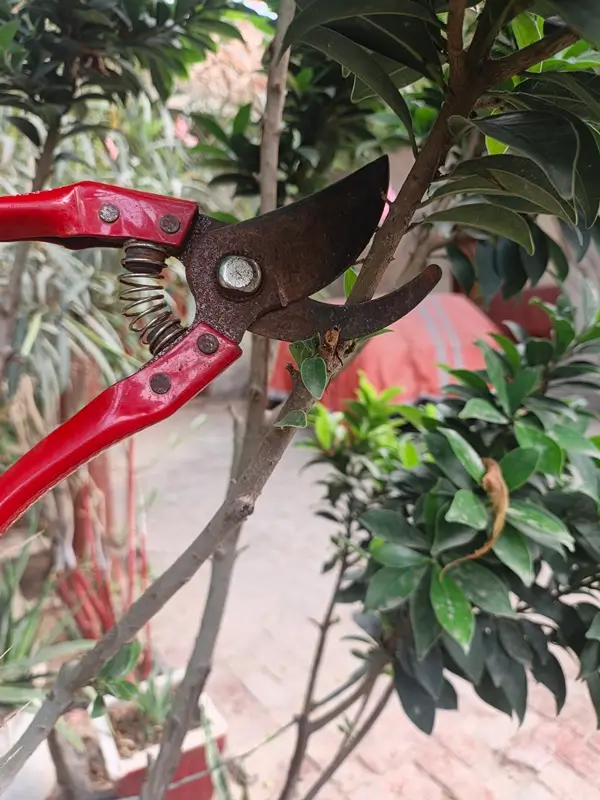
Technique 2: Select Best Dracaena Stems
- Pick a stem with healthy leaves
- Select top stem sections or middle cane pieces with active nodes
- Healthy parent stems give your cuttings energy during propagation
- Avoid using soft, yellowed & damaged branches
- Make sure selected stem section measures at least five inches long
- Stems with close leaf nodes root much faster in water containers
- Hydrate your parent plant fully
Technique 3: Make Precision Cuts on Dracaena
- Locate a clear leaf node along lower part of your chosen stem
- Cut at a straight forty-five degree angle just below the node
- Angled cuts increase surface area for faster root growth
- Never tear or twist stem while taking your cutting section
- Wipe off any oozing sap gently with a damp cloth or tissue
- Precise cuts help roots emerge uniformly without delays or rot
Technique 4: Callus & Trim Dracaena Leaves
- Strip off lower leaves to prepare your fresh stem cutting cleanly
- Bare stem nodes roots much faster during propagating dracaena in water
- Keep three to four healthy top leaves for sunlight absorption
- Trim large top leaves in half to reduce moisture loss through evaporation
- Air drying forms a protective callus that prevents stem rot
Long-Term Dracaena Care Levels & Maintenance
Providing proper care after setting up your cuttings ensures new plants thrive & grow strong. Delicate fresh roots need gentle treatment & steady environment to settle without stress.
Level 1: Manage Dracaena Light & Location
- Place young plants in bright areas
- Avoid direct sun exposure because harsh rays burn leaves
- Dark corners slow down leaf growth
- Rotate containers weekly to encourage balanced stem growth
- Keep pots away from cold areas
- Steady temperatures between sixty-five & eighty degrees work best
Level 2: Balance Dracaena Water & Moisture
- Keep potting mix damp but never soaked or waterlogged
- Allow top layers of soil to dry before adding fresh water
- Soggy soil starves young roots of oxygen
- Clear excess water from drainage saucers
- Use room-temperature filtered water
- Reduce watering during autumn & winter months
- Monitor leaf texture to ensure roots absorb water effectively
Level 3: Follow Dracaena Feeding Schedule
- Hold off on feeding fresh cuttings during their first two months
- Begin light feeding only after new leaf growth appears
- Use a balanced liquid houseplant fertilizer
- Feed new plants once a month during spring & summer months
- Stop feeding completely during late autumn & cold winter periods
- Flush soil with plain water to prevent salt
Level 4: Support & Repot Growing Dracaena
- Transfer water-rooted plants into small soil pots
- Stake tall stems gently if they lean or wobble in fresh soil
- Prune top growth to encourage bushier branch development
- Wipe leaves with a damp cloth to remove dust & improve light intake
- Inspect leaf undersides regularly to catch minor pests early
- Treat any pests immediately using mild soap or neem oil sprays
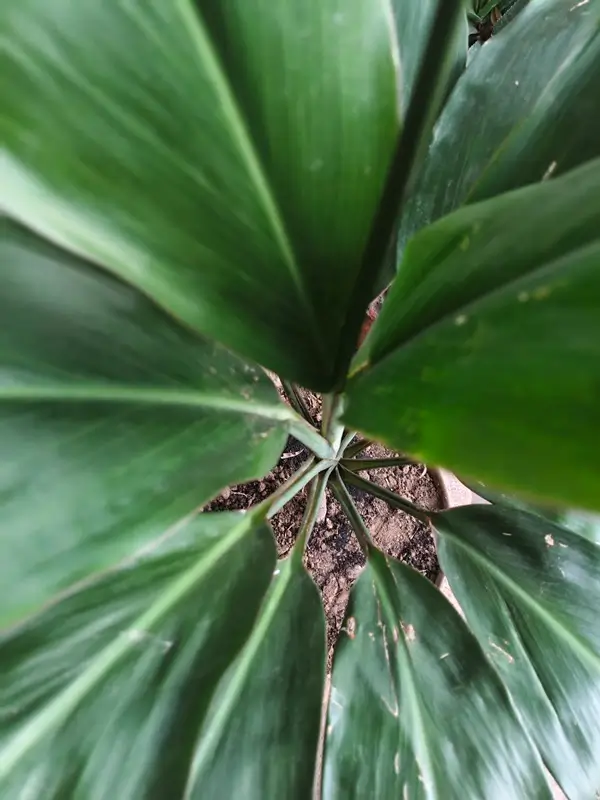
Common Dracaena Propagation Mistakes to Avoid
Paying attention to small details protects parent plants & helps young growth thrive.
Mistake 1: Environmental Causes of Dracaena Failure
- Placing fresh cuttings in direct sunlight scorches leaves
- Dark corners slow down photosynthesis
- Keeping setups near cold drafts causes temperature shock
- Placing containers close to heating vents dries out tissue
- Stagnant air around plants increases fungal risks
- Inconsistent room temperatures create stress & slow down progress
- Sudden location changes confuse young plants
- Poor lighting conditions result in weak, stretched & leggy stems
Mistake 2: Water Propagation Errors in Dracaena
- Leaving water unchanged for long periods
- Allowing slimy buildup on submerged stems encourages bacterial rot quickly
- Submerging lower leaves in water causes rapid decay
- Using icy cold tap water shocks sensitive bare stem
- Waiting too long to transfer water roots into soil causes transplant shock
- Using deep containers without proper support damages lower stem tissue
- Using hard tap water with heavy minerals damages root tips
Mistake 3: Soil Propagation Pitfalls for Dracaena
- Planting stem cuttings in heavy soils
- Using containers without drainage holes
- Overwatering fresh cuttings starves young developing roots of fresh oxygen
- Inserting stems directly into dry soil tears node tissues
- Applying heavy fertilizers too early burns new root
- Packing soil around stems too tightly prevents proper air circulation
Frequently Asked Questions
Is it better to propagate dracaena in water or soil?
Both methods work effectively - but starting cuttings in water allows you to easily track initial root development. Soil propagation builds stronger root structures immediately & avoids transplant stress - making it ideal for long-term growth. Choosing between water or soil depends on whether you prefer visual root monitoring or stronger initial root strength.
Can you grow a dracaena from a cutting?
Yes, you can easily grow a full dracaena plant using top stem cuttings or cane sections. Taking a healthy four-to-six-inch cut just below a node gives stem all energy needed to develop roots. With bright indirect light & clean water or moist soil & fresh cuttings quickly transform into thriving new plants.
Can I cut the top off my dracaena plant?
Yes, cutting the top off your dracaena plant helps manage its height & encourages brand-new side branches to form. The trimmed main trunk will sprout fresh foliage clusters - resulting in a much bushier & healthier growth habit. You can also take removed top section & propagate it to grow a completely new plant.
Will dracaena root in water?
Dracaena cuttings root easily in water when placed in a warm spot receiving bright indirect light. Roots usually begin emerging from submerged nodes within three to four weeks if the water is changed weekly. Once the root system reaches two inches long - the cutting is ready to be transferred into a potting soil mix.