
Key Takeaways
| What You Will Learn | How It Helps Your Plant |
|---|---|
| Risks of Toxicity | Mastering these toxic compounds helps you protect your pet. |
| Toxicity Symptoms | Learn early signs of discomfort before it becomes serious. |
| Immediate First Aid Steps | Understand how to treat your pet safely before arranging vet care. |
| Veterinary Treatments | Discover how professionals treat your pet with proper care. |
| Deterrent & Placement Strategies | Learn how smart steps keep your favorite greenery thriving. |
| Alternatives Plants | Mastering safe plants gives you a lush & worry-free indoor garden. |
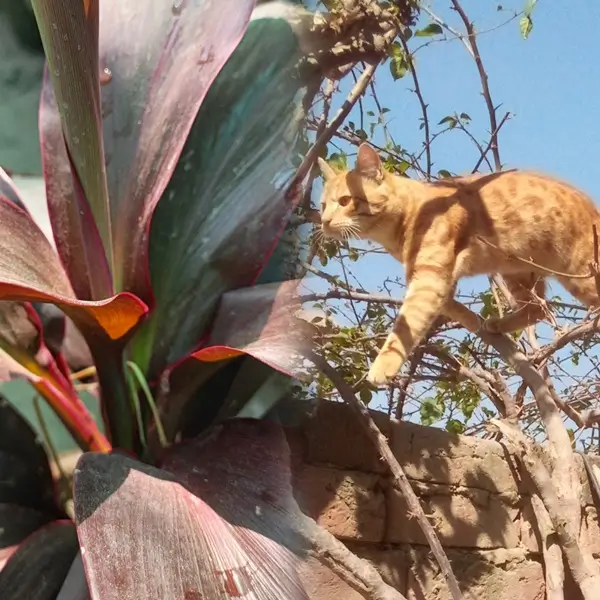
Is dracaena toxic to cats? As a gardener, keeping indoor plants safe for pets is always my top priority. Dragon trees (Dracaena Draco) & corn plants have saponin compounds – that can trigger stomach upset when ingested. Understanding these potential hazards helps pet owners create a secure living space.
If your cat bites into these ribbon-like leaves, knowing how to act quickly prevents discomfort from turning into a serious health concern. Checking expert resources on toxic & non-toxic plants helps you understand these plant saponins & keep your pet safe.
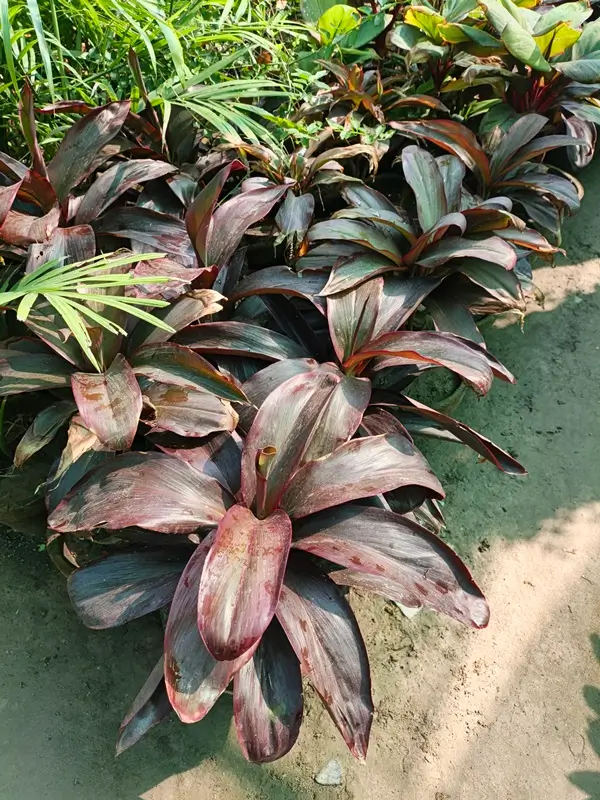
Is Dracaena Toxic to Cats & What Triggers It?
Understanding how indoor greenery interacts with pets requires – examining biological elements. Knowing why these decorative leaves trigger biological reactions – helps you protect your pet from accidental plant poisoning.
Biological Triggers That Make Dracaena Toxic to Cats
Dragon trees carry natural chemical compounds that protect plant from wild herbivores. The arching structure of these plants triggers a cat’s instinct to play & chew on indoor plants.
- Plants develop active steroidal saponins within their leaves to naturally repel outdoor insects & animals
- Chewing on leaves breaks down leaf tissue & causes protective plant sap to mix directly with feline saliva
- Arching ribbon-like leaves sway easily in ambient airflow & trigger a cat’s innate hunting & pouncing instincts
- Swallowing raw plant material releases active compounds that irritate stomach linings & cause sudden digestive distress
Toxin Triggers Across Different Plant Parts
Understanding how toxins are distributed across your houseplant – helps you maintain a secure home environment. Active defense compounds exist throughout the entire plant structure & require consistent cleanup around the container
| Plant Component | Toxin Concentration Level | Pet Safety Action |
|---|---|---|
| Fresh Leaf Tips | High saponin concentration | Trim damaged edges & keep lower leaves out of reach. |
| Stems & Trunk Sap | Dense chemical sap mixture | Block base access to prevent cats from biting woody stems. |
| Fallen Dry Foliage | Active residual toxins | Sweep surrounding floor space daily to remove dry drop. |
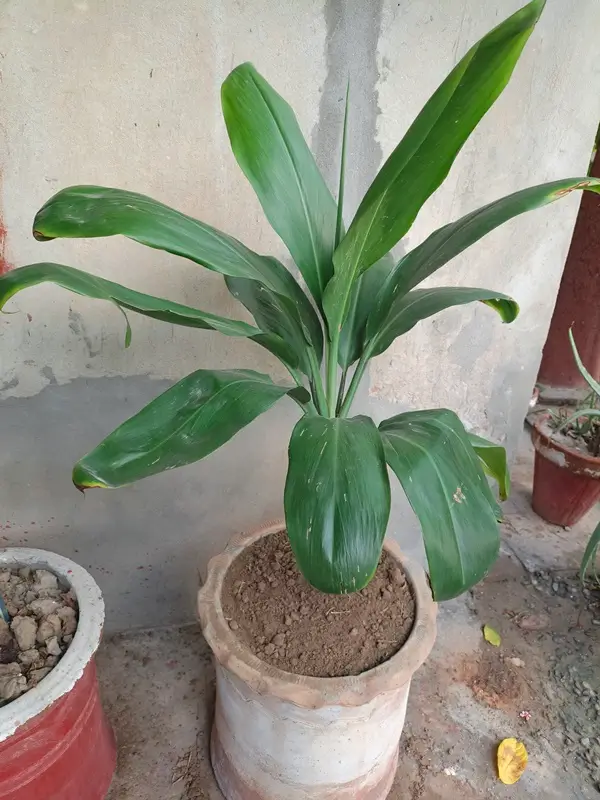
What Are the Key Dracaena Toxicity Symptoms in Cats?
Recognizing physical changes early helps you protect your pet from serious conditions. Monitoring unexpected behavioral changes – allows you to act quickly before minor ingestion turns into a serious health concern.
Symptom Severity Breakdown
Reviewing sudden physiological reactions helps you identify – active plant poisoning immediately. Structured symptom tracking ensures you take corrective action without any delay.
| Observed Symptom | Severity Level | Immediate Gardener Action |
|---|---|---|
| Heavy drooling & mouth irritation | Moderate alert | Wipe your pet’s mouth with a damp cloth & offer clean fresh water. |
| Sudden vomiting & nausea | High concern | Remove any remaining plant pieces & keep your cat calm in a quiet room. |
| Dilated pupils & unsteadiness | Urgent attention | Contact your veterinarian immediately for professional medical advice. |
Warning Signs in Behavior
Internal stomach irritation changes a pet’s daily routine & energy levels. Spotting these subtle actions confirms potential indoor plant ingestion.
- Avoid food bowls completely because ongoing stomach nausea makes eating uncomfortable
- Display unusual lethargy & seek quiet household corners to rest & hide
- Show sudden unsteadiness walking across rooms due to nervous system irritation
- Exhibit unusual vocalization to signal physical distress caused by toxic plant sap
Check expert advice on pet health monitoring to track sudden behavioral changes.
What to Do If Your Cat Eats Dracaena
Spotting your cat chewing on dragon tree leaves – requires immediate home observation & quick decision-making. Knowing how to handle this situation step-by-step prevents unnecessary panic & reduces potential medical complications.
Home Care Actions & Post-Ingestion Steps
Plant sap triggers sudden irritation inside the mouth that requires careful attention. Taking proper localized safety precautions keeps your pet calm before seeking expert veterinary assistance.
| Action Category | Safety Precaution | Correct Execution Method |
|---|---|---|
| Physical Comfort | Avoid pressing stomach | Keep your cat resting in a warm & low-stress environment without applying abdominal pressure. |
| Dietary Management | Withhold solid food temporarily | Suspend regular feeding for a few hours to let the irritated stomach lining settle down completely. |
| Environment Control | Clear fallen debris | Vacuum surrounding floors to ensure no small leaf fragments remain within your pet’s reach. |
Symptom Monitoring & Veterinary Guidance
Tracking physical changes provides essential details for your vet. Avoiding unverified home remedies keeps your pet safe.
- Record exact times when physical symptoms first appear
- Never induce vomiting or administer milk without professional guidance
- Keep a small & undamaged leaf sample for clinic identification
- Call your emergency veterinary provider immediately for weight-based instructions
Explore this detailed guide on emergency pet care for critical health safety.
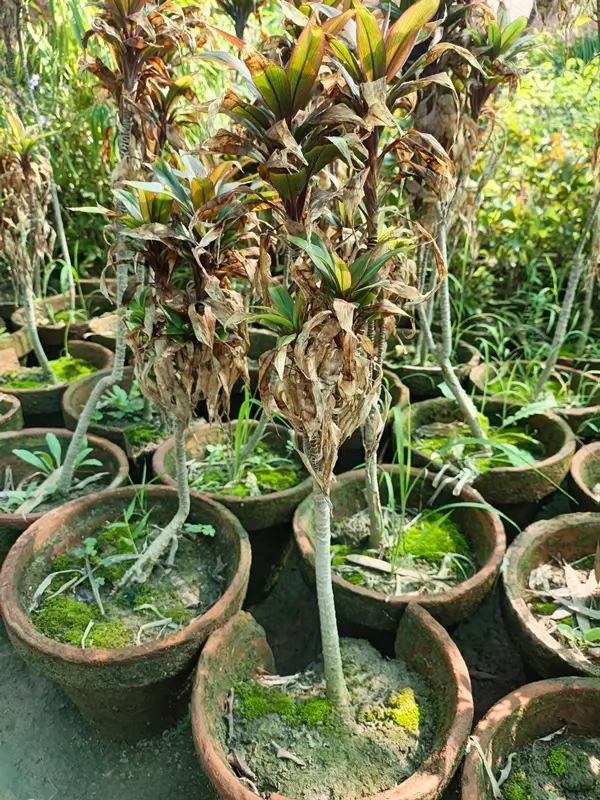
How Do Veterinarians Treat Dracaena Plant Poisoning in Cats?
Seeking professional medical help is safest next step after home first aid. A clinical evaluation confirms how deeply plant compounds have affected your cat’s internal systems.
Diagnostic Procedures & Clinical Testing
Veterinary teams begin treatment by evaluating physical signs, heart rate & hydration levels. Understanding exact toxicity levels helps doctors choose precise recovery therapies.
| Diagnostic Step | Clinical Focus | Purpose in Treatment |
|---|---|---|
| Oral & Tissue Check | Mouth & throat lining | Inspects delicate tissues for chemical irritation or burns. |
| Blood Work Analysis | Kidney & liver function | Measures internal organ performance against plant toxins. |
| Vital Monitoring | Heart rate & stability | Confirms cardiovascular stability during initial evaluation. |
For more guidance on pet safety, read our dedicated article on how to treat plant poisoning in cats.
Medical Therapy & Recovery Observation
Continuous clinical observation helps your pet stabilize completely before returning home.
- Administer IV fluids to restore hydration & accelerate toxin elimination
- Provide anti-nausea medications & gastrointestinal protectants to soothe stomach linings
- Prescribe specialized soft diets & provide detailed home recovery instruction sheets upon release
Smart Placement & Deterrent Strategies for Dracaena
Creating a safe indoor environment for pets involves plant arrangement & natural barriers. Organizing botanical spaces properly prevents unwanted animal access without damaging your home decor.
Vertical Setup & Physical Barrier Solutions
Elevating your houseplants creates a reliable physical barrier against cat exploration. Securing decorative pots on specialized structures eliminates accidental chewing risks completely.
| Placement Method | Installation Technique | Primary Safety Benefit |
|---|---|---|
| Ceiling Suspension | Mount heavy-duty hooks | Keeps hanging plants completely out of jumping range of your pet. |
| Floating Wall Shelves | Install away from chairs | Removes nearby platforms that facilitate climbing on planters. |
| Anchored Stands | Secure bases to walls | Prevents heavy pots from tipping over during play. |
Scent Deterrents & Safe Chewing Alternatives
Cats possess a sensitive sense of smell that responds well to natural aromatic barriers. Redirecting your pet’s attention toward safe greenery protects your indoor plants.
- Spray diluted lemon or orange water weekly around pot rims to create an invisible boundary
- Place fresh citrus peels inside the topsoil layer to prevent digging & scratching behavior
- Cover exposed soil surfaces with large decorative river rocks to block paw access
- Grow dedicated pots of fresh cat grass nearby to satisfy natural chewing instincts safely
For more helpful ideas – check detailed article on how to create a cat-safe indoor garden.
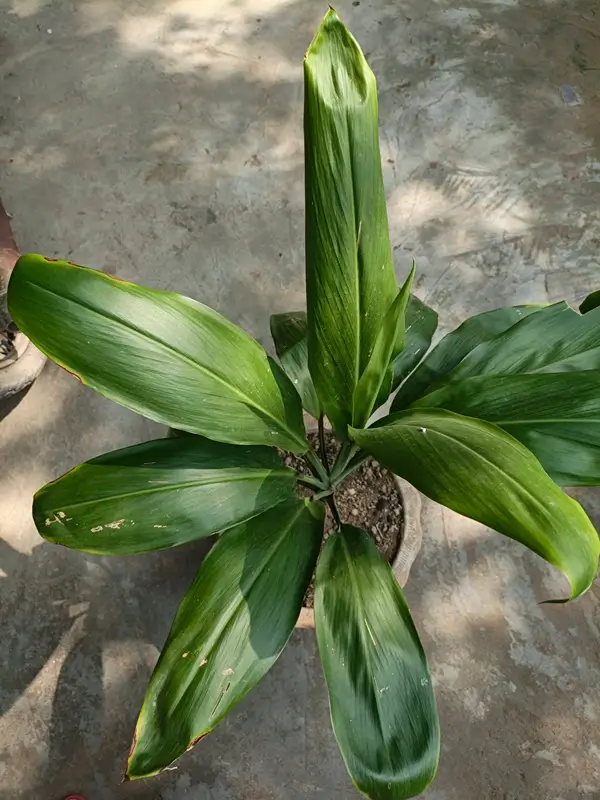
What Are the Best Safe Plant Alternatives to Dracaena?
Replacing your houseplant greenery with non-toxic botanical choices – lets you enjoy lush indoor plants without any risk to your pets.
Safe Plant Comparison & Care Matrix
| Plant Alternative | Skill Level | Core Care Requirement |
|---|---|---|
| Boston Fern | Intermediate | Keep soil consistently moist & maintain high humidity around feathery fronds. |
| Peperomia Varieties | Easy for Beginners | Allow top soil layers to dry out completely before watering; avoid compacting leaves. |
| Parlor Palm | Easy for Beginners | Provide filtered indoor sunlight & wipe leaves occasionally to remove dust. |
As passionate plant owners – our top priority is cultivating a space where greenery & pets coexist without risk. If you ever notice a cat eating dracaena leaves – taking immediate action protects your pet’s long-term health. Switching to verified safe indoor plants for cats gives you complete peace of mind & keeps your living environment fresh & beautiful.
Conclusion
Keeping houseplants & protecting our pets is an essential duty for every plant lover. Recognizing dracaena toxicity symptoms early allows us to respond quickly & seek medical help without delay. Preventing dracaena plant poisoning in your home starts with taking simple safety precautions & exploring pet-friendly plant alternatives. By making informed choices – you can easily build best indoor garden where both your plants & pets grow together safely.
Frequently Asked Questions
Symptoms usually appear within 1 - 4 hours. When asking is dracaena toxic to cats - early signs include drooling, vomiting & nausea.
Yes, most cats recover completely with timely veterinary care & proper fluid therapy within 24 - 48 hours.
Every single part of dracaena plant have toxic saponins but cats are most attracted to chewing long & arching leaves.
Use little citrus scent near your plant & move your planters on high places, or offer a fresh cat grass as a safe chewing alternative to distract them. How quickly do symptoms appear after a cat eats dracaena?
Can a cat fully recover from dracaena poisoning?
Which part of plant is dangerous for pets?
How can I safe my cats from indoor plants?