
Key Takeaways
| What You’ll Learn | What Your Basil Is Hiding |
|---|---|
| The Hidden Lifespan Clock | Discover the unexpected secret that determines whether your basil dies in weeks or thrives for years. |
| 4 Silent Lifespan Killers | Uncover the daily environmental triggers that quietly shorten your plant’s life without you knowing. |
| Pro Maintenance Protocols | Decode the counter-intuitive pruning trick that forces basil to continuously regenerate fresh leaves. |
| Invisible Health Threats | Reveal the subtle warning signs your plant exhibits right before a fatal collapse. |
| Climate Shock Secrets | Master the micro-temperature shifts that turn a fading plant into an evergreen indoor powerhouse. |
Many plant lovers wonder: how long does a basil plant live when grown at home? An outdoor basil plant lives for one season; on the other hand, an indoor basil plant can live 6 to 12 months with proper care.
In this article, we will discuss care steps to help your basil plant stay healthy & produce fresh leaves.
Understanding the Basil Plant Life Cycle
The basil plant is a popular herb that usually grows in one season. It can live for 3 to 4 months with simple care when handled with proper care indoors. Outdoors, it grows well from spring through summer until first cold frost arrives in fall.
1. Early Stages of Basil Plant Growth (4 Key Phases)
Knowing the early growth stages helps you estimate how long does a basil plant lives under ideal indoor conditions.
- A basil seed suck water & splits its outer coat
- A small root pushes downward into soil to anchor plant.
- A small green shoot pushes upward toward light.
- Sprouting usually takes 6 to 14 days in warm – moist soil
2. Branching & Fuller Growth: Key Tips to Bushy Basil
When a young basil plant becomes established, its growth starts changing from upward growth to a fuller more branched shape.
Proper soil drainage & nutrient balance play a direct role in determining how long does a basil plant live without root damage.
New shoots start developing from points where leaves join with main stem gradually creating several side branches.
These mature branches produce more leaves & give plant a bushy appearance. This is a very important stage because number of healthy branches largely determines plants productuion.
How much foliage can a plant produce during productive period?
A healthy basil plant can produce a large amount of fresh foliage during this stage.
Regular harvesting directly impacts how long does a basil plant live by preventing early flower formation.
With regular harvesting & favorable conditions – an established plant can provide fresh leaves throughout season.
3. Flowering & Seed Production in Mature Basil
Seed production is a major milestone that directly influences how long does a basil plant live before it finishes its life cycle.
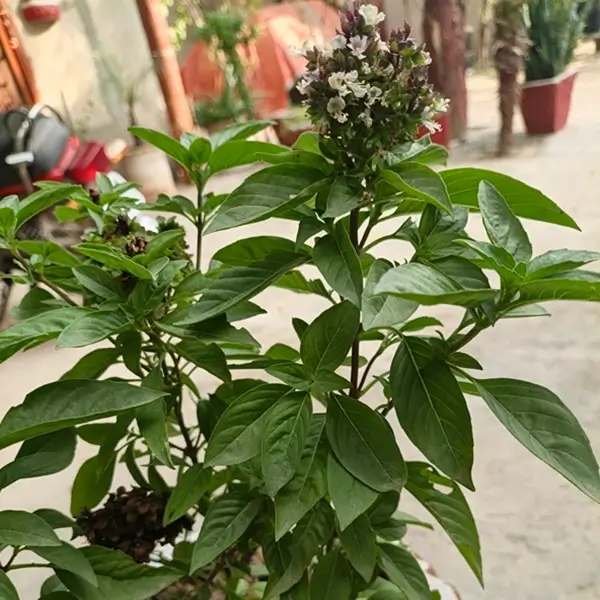
As basil becomes mature, it begins preparing for reproduction. Small flower buds start to appear on tips of the stems & produce clusters of tiny flowers.
If you allow your flowers to develop fully – the plant produces seeds that will help out for another growing cycle of a basil plant.
At this stage, basil focuses less on producing soft new leaves & older plants can become more woody & less productive.
How Long Do Basil Plants Live? (4 Major Factors)
Since basil comes from warm tropical areas.
Keeping it healthy indoors basil depends on a few daily habits.
These main factors that affect its lifespan
- Sunlight needs: Give basil as much light. For indoor basil set your pot near a window where it can catch natural light all day.
- Temperature maintenance: A warm spot helps plant leaves expand quickly. Placing your pot near a window works for getting good sunlight.
- Soil & Water: You have to keep soil moist. Good drainage really matters if you want to avoid soggy roots.
- Trimming: The moment you see little flowers starting on them, pinch them immediately. This stops plant from going to seed and encourages fresh leaf growth.
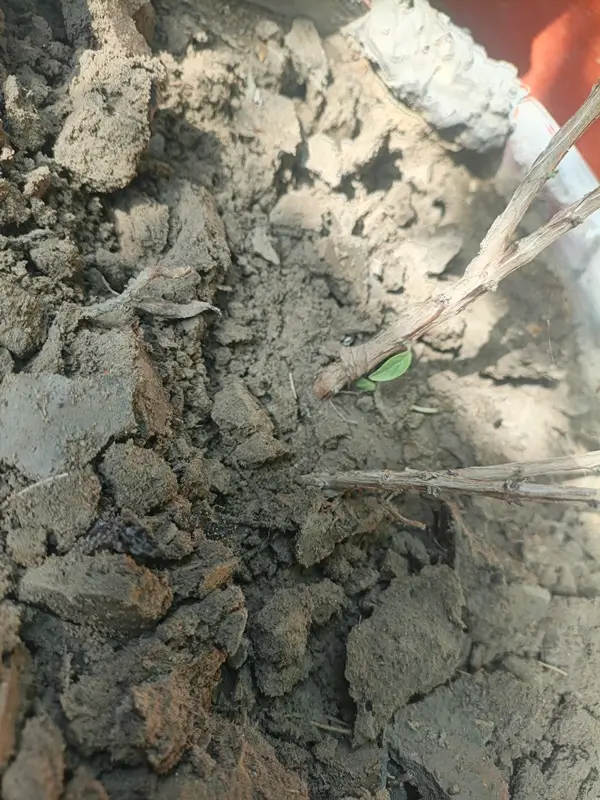
1. Pinching Flowers to Extend Your Basil’s Lifespan
As you see tiny flowers at top of stems pinch them off. If you allow basil to bloom signals plant to produce seeds & end its lifecycle, cause of leave bitterness. Regular pruning of flowers stops seed development & extends plant life.
2. 4 Proven Techniques for Bushier Basil Growth
- Cut above the nodes: Find where small new leaves are on main stem (the node). Cut the main stem right above this point.
- Double your stems: Cutting above a node gives a chance for new branches to grow from that spot – turning one stem into two.
- Harvest stems but not leaves: Do not pick single leaves off top. Cut whole upper sections of stem to keep plant short & wide.
- Cut flowers early: Snip off any flower buds as soon as possible. Flowering makes leaves taste bitter & stops plant from growing.
6 Essential Care Tips to Extend Your Basil’s Lifespan
Maintenance plays an important part in prolonging basil’s life.
Basil is a delicate & aromatic herb that thrives with plenty of sunlight consistent moisture & regular pruning. If you provide it right environment & routine care will keep it lush – bushy & productive throughout season.
If your plant is wilting or dropping leaves, learn how to save and revive a dying basil plant with simple troubleshooting steps.
To extend the life of a basil plant focus on these care practices
1. Mastering Basil Harvesting Techniques for Maximum Yield
Do not pull off individual leaves from the bottom; always snip off whole top stems.
This clean cut forces stem to branch out into two new shoots it will doubling your leaf production.
2. Root Space & Potting: Optimizing Container Size for Healthy Roots
Basil roots expand during peak growth.
If roots start to fill pot your plant becomes upset & stops growing new leaves.
Repot your basil in a larger container with fresh organic soil when you notice water draining too quickly.
3. Optimal Soil Moisture Levels for Healthy Basil Growth
Overwatering is a way to kill basil because soggy soil is cause of root rot.
Water your plant thoroughly only when top inch of soil feels dry & always ensure your container has good drainage holes.
4. Improving Air Circulation Between Basil Stems
Fungal problems like mildew love cramped & humid soil.
Keep enough space around your plants & thin out inner stems so light & air can circulate freely through foliage.
5. Effective Fertilization Techniques for Basil Plants
Balanced feeding directly supports leaf production and helps determine how long does a basil plant live before its growth slows down.
Balanced feeding directly supports leaf production and helps extend overall plant health before growth slows down.
Basil needs healthy nutrients; excessive nitrogen & organic fertilizer affect growth.
It needs diluted organic fertilizer once every three to four weeks during growing season.
6. Optimal Daily Sunlight Requirements for Basil
Set your pot where it gets 6 hours of direct sunlight a day.
If your area gets too hot block the afternoon sun, as it can damage your plant.
For indoor basil plants, dim light can cause your plant to have weak growth & ultimately die.
Common Threats to Basil Plants & Their Impact on Lifespan
Even with a daily care routine, fungal diseases & unexpected pests quickly damage your basil plant. If you notice these issues early helps protect your plant & extends plant vitality.
1. Managing Downy Mildew & Fungal Growth in Basil
Controlling fungal diseases like downy mildew is crucial to maximize how long does a basil plant live before leaves turn yellow.
These Fungal infections are most hazardous for indoor & outdoor basil. They weaken plant’s ability to process sunlight & lead to poor growth.
Downy mildew is a cause of basil leaves turning yellow & it leaves a dark, fuzzy coating.
To keep basil plants safe from any kind of fungus – give them good air circulation & avoid soaking when you water them.
2. Protecting Basil from Common Pests & Diseases
Preventing fungal diseases like downy mildew is essential to extend how long does a basil plant live during humid weather.
Every healthy basil plant can fall into problems because of garden pests & diseases.
These mostly include:
- Aphids
- Spider mites &
- Slugs
They all love to feed on leaves & cause damage.
If you notice any fungal infection – you should cut affected parts to reduce any risk of further contagion.
Bio-fungicides can be an effective option for managing & reducing basil fungal diseases.
3. Preventing Root Damage & Managing Soil Nematodes
Microscopic soil organisms like Maintaining healthy root structure & using sterile soil is critical to determine how long does a basil plant live without sudden fungal infection.
Nematodes can attack root system.
When roots of your plants are damage plant struggles to transport water & essential minerals to upper stems, leading to sudden death when soil is moist.
Using fresh high-quality & sterile potting mix during planting minimizes risk of root rot.
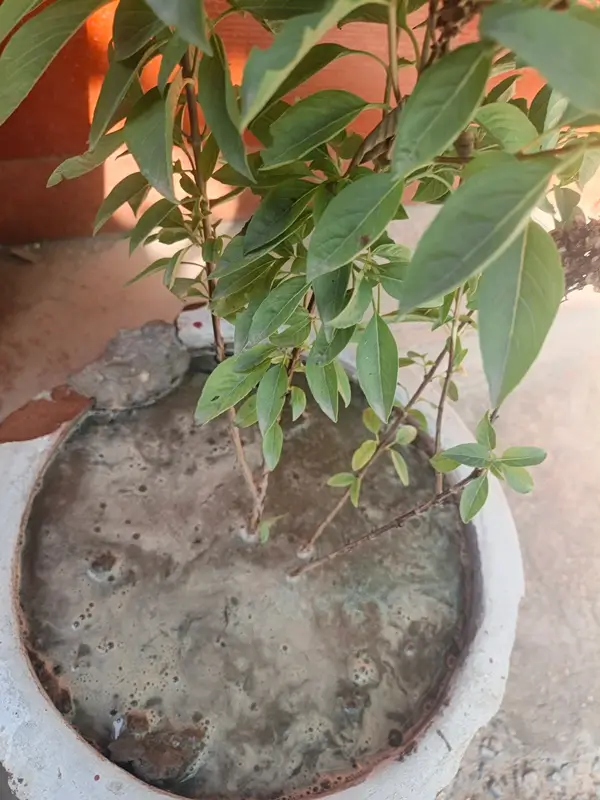
How Weather Conditions Impact the Lifespan of Basil
Optimal weather conditions play a very important role in determining lifespan of your basil plant.
1. Ideal Temperature Requirements for Growing Basil
Temperature stability is a key factor in determining how long does a basil plant live throughout changing seasonal weather.
It stays active between 50 °F to 85 °F (10 °C to 30 °C) – but it thrives when daily temperatures sit around 70 °F to 80 °F (21 °C to 27 °C).
Which Weather is Best to Grow Basil?
Weather changes can drastically impact how long does a basil plant live when grown in outdoor garden beds.
- Warm weather helps basil plants grow lush – but it grows best in mild weather.
- Cold weather ruins the plant fast, so keep your pot protected from the cold
Protecting plants during unseasonal cold snaps or moving outdoor pots inside before first autumn frost is vital for preventing early death.
2. Choosing the Best Spot to Plant Your Basil for Maximum Growth
Choosing right spot for basil matters a lot.
- Pick a sunny location in your garden where your basil plant can get 6 to 8 hours of direct sunlight & stay safe from the cold weather.
- Leave a bit of space between plants so it is airy for free airflow.
3. Managing Excess Rainfall & High Humidity in Basil Care
Heavy rain combined with high humidity creates ideal conditions for soil waterlogging & fungal infection. Understanding basil lifespan under high humidity can help you prevent premature leaf loss.
Heavy rain combined with high humidity creates ideal conditions for soil waterlogging & fungal infection.
Waterlogged soil destroys roots of oxygen leading to root rot – while wet leaves weaken stems & cause yellowing leaves, this can be a cause of plant’s reduced lifespan.
In conclusion, understanding basil plant lifespan allows you to plan your garden seasonal routine effectively. With careful attention to their needs – be it adequate lighting, warmth, watering schedule or soil quality, among others combined with scheduled pest checking besides frequent harvesting offers improved chances encouraging healthier growth. Amidst enchanting basil bushes wishing glorious growth.
Frequently Asked Questions
No. Basil is an annual plant - completing its life cycle within one growing season before dying off when temperatures drop. If brought indoors or maintained in a warm frost-free climate a single plant can survive for 6 to 12 months but it will not naturally resprout each spring on its own outdoors.
No. Once a basil plant dies from hard frost or is underwatered or has root rot root system is dead & cannot regenerate. However, if plant is merely wilting or suffering from light cold damage while stems remain pliable - prune it back to healthy tissue & place it under warm conditions.
Basil requires full sunlight. It needs 6 to 8 hours of direct sun daily for growth & rich essential oil production. In regions with intense scorching summer heat exceeding 90°F (32°C) providing light afternoon shade prevents leaf scorch while ensuring sufficient light for growth.
Water basil whenever the top inch of soil feels dry - which generally translates to Outdoors: Every 2 to 3 days (daily during high-heat spells). Indoors: Every 5 to 7 days, depending on humidity and ambient temperature. Always apply water directly to soil at base of plant to keep foliage dry &reduce fungal infections like downy mildew. Ensure pots feature drainage holes to prevent standing water which causes fatal root rot. Does basil grow back every year?
Can basil have too much sun?
Can basil have too much sun?
How often should I water basil?