
Key Takeaways
| What you’ll learn | How it helps your basil |
| Optimal Harvest Time | Understand morning picking unlocks a hidden flavor secret. |
| The 6-Inch Rule | Learn that harvesting too early hides a costly mistake. |
| Strategic Node Trimming | A simple cut forces one stem to split into two. |
| Bud Pinching Secret | Stopping blooms prevents your leaves from turning bitter. |
| The 10% Trimming Rule | Regular picking keeps your plant surprisingly young. |
| Room Temp Storage | The common fridge mistake that turns leaves black. |
Introduction to Basil Harvesting
Growing fresh basil at home is a great way to bring flavor directly to your kitchen.
To keep your basil plant healthy, lush & producing all season, you need to know the right way to pick its leaves.
Many beginner gardeners make the mistake of pulling leaves off the bottom, which actually harms the plant & stops its growth.
If you follow trimming & cutting method – you can double your plant & enjoy fresh herbs.
Harvesting basil is more than plucking leaves from the plant – it’s understanding growth cycles & harvesting times, ensuring proper techniques for maximum taste output.
What is the Best Time of Day to Harvest Basil?
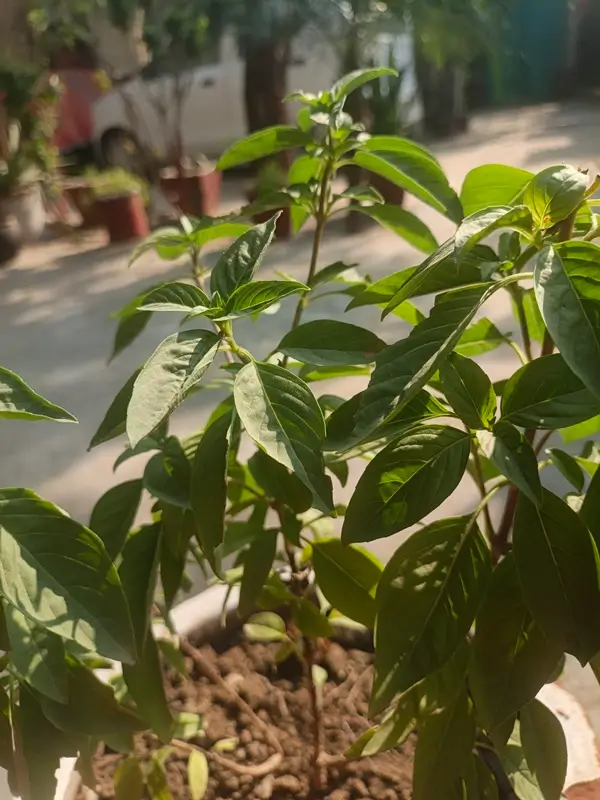
Knowing how to harvest basil at right time of day makes a huge difference in taste & quality of your leaves.
The absolute best time to pick basil is during early morning hours – right after morning dew has dried but before sun gets too hot.
1. Why Morning Harvesting Preserves Essential Oils?
During the night, basil plants concentrate their natural essential oils in leaves.
When you pick them early in day, these oils are at their peak strength & giving you maximum flavor & a rich aroma for cooking.
2. Preventing Heat Wilting During Harvest
If you harvest basil during hot afternoon hours, high temperatures cause plant to lose moisture.
This leads to limp & wilted leaves that lose their fresh taste quickly after picking.
3. How Morning Harvest Keeps Leaves Fresh & Crisp
Harvesting early keeps leaves hydrated & crisp.
Properly timed harvesting ensures that your fresh basil leaves last much longer – whether you store them in water or use them in fresh recipes.
How Morning Harvest Works
- High Water Content: Plants absorb water overnight, making cells turgid & firm at dawn.
- Essential Oils: Volatile oils responsible for flavor & aroma concentrate during cool morning hours before sun burns them off.
- Low Stress: Avoids afternoon heat stress, which wilts leaves & depletes cellular energy.
- Sweeter Taste: Higher stored sugars from overnight respiration remain unburned by intense midday heat.
When to Start Harvesting: Ideal Plant Height & Maturity
If exact right height & stage of growth before you cut your basil is essential _ if you want a long-lasting & healthy plant.
Beginners make mistake of picking leaves too early before it has established a solid root system.
Understanding how to harvest basil based on plant height ensures enough mature foliage to continuously produce energy through photosynthesis & allowing it to recover quickly after every harvest session.
1. The 6-Inch Rule for Your First Cut
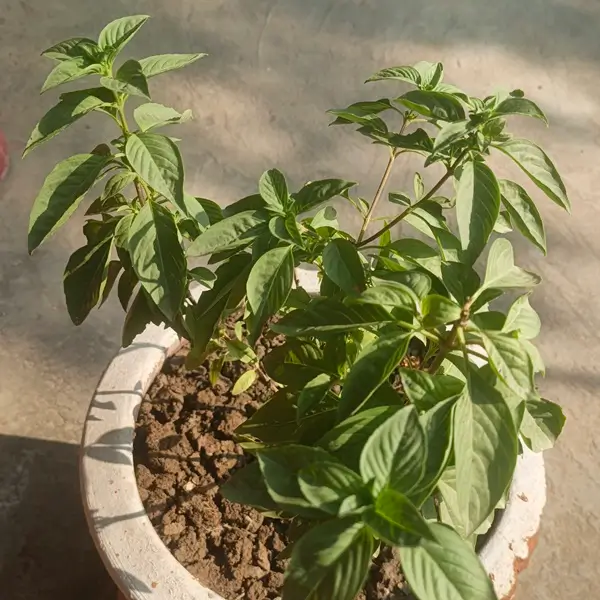
Before you make your very first cut, your basil plant should reach at least 6 to 8 inches in height.
At this stage. plant has established a strong main stem & developed multiple sets of leaves.
Harvesting a plant that is under 6 inches tall can stunt its development & cause severe shock – making it difficult for herb to regrow.
You have to wait until proper height guarantees that roots are strong enough to handle regular pruning throughout growing season.
2. Why Lower Mature Leaves Are Vital for Regrowth
When learning how to harvest basil without killing the plant, the most critical rule is to leave lower & older leaves intact.
These bottom leaves act as primary solar panels of your herb & absorbing sunlight & feeding roots.
Always ensure you leave at least two to three sets of leaf nodes at the base of the plant.
Stripping plant completely clean from top to bottom will deprive it of energy, leading to slow growth, weak stems, & early plant death.
3. How Proper Maturity Supports Continuous Regrowth
A mature basil plant that is pruned at right height enters a rapid regrowth cycle.
Every time you harvest above a node on a full-grown plant, you trigger dormant growth points to activate.
For authoritative details on plant physiology & ideal growing conditions, you can review gardening resources like The Old Farmer’s Almanac.
Maintaining right foliage ratio keeps plant strong & bushy, producing fresh harvests every week.
Mastering Dormant Nodes (The Secret to Bushy Growth)
Beneath every single pair of basil leaves sits a hidden growing point – often called a dormant node.
In nature plant prefers to direct all its energy straight upward to reach sunlight quickly & leaving these secondary nodes inactive.
However, the moment you trim central stem just above a leaf node, you send a vital chemical signal throughout plant’s structure.
This simple pruning action wakes up those sleeping lateral buds.
Instead of focusing energy on a single tall stem that eventually gets thin & leggy, your basil plant.
Over the next few days – those dormant points sprout into two brand-new side branches.
If you repeat this strategic pruning method as your herb matures you continuously multiply stem count—turning two main shoots into four then four into eight & naturally doubling your plant thick & lush.
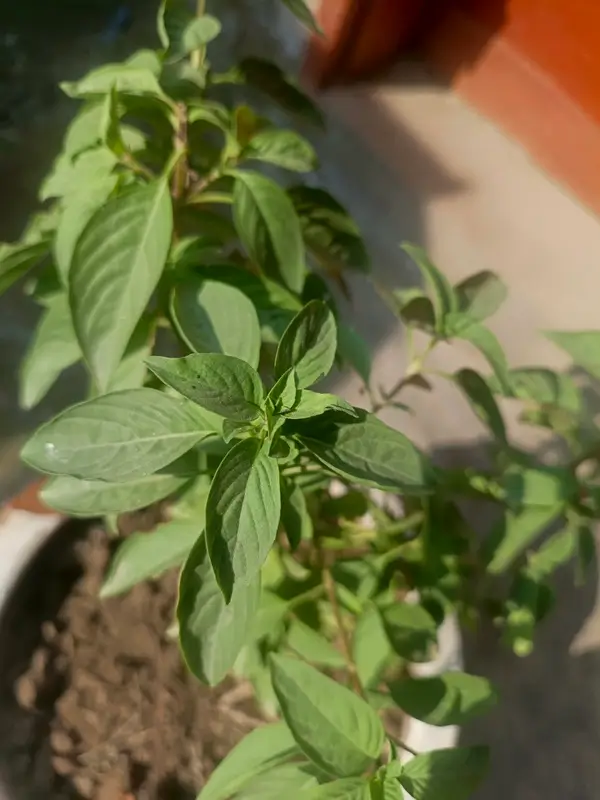
Strategic Trimming: Where & How to Cut Stems
Knowing exactly where to trim your basil plant is the difference between a single tall & weak stem & a bushy, thriving plant.
When you randomly pluck leaves from middle or pull them off the bottom, you damage plant’s overall vascular system.
Learning how to harvest basil by targeting specific growth nodes encourages stem to split into multiple branches & naturally multiplies your harvest over time.
1. Understanding the Vascular System of Basil
To master how to harvest basil effectively, it helps to understand what actually happens inside stem when you make a cut.
A basil plant relies on an internal system known as its vascular system – which consists primarily of xylem & phloem tissues.
Xylem acts as an upward pump, drawing water & essential minerals directly from soil through roots up to topmost foliage.
Phloem distributes nutrient-rich sugars produced during photosynthesis from active leaves down to rest of the plant.
For deeper insights into plant anatomy & internal transport mechanisms, you can consult extension resources like University of California Agriculture and Natural Resources.
Protecting this vascular health is what keeps your basil resilient – disease-resistant & vibrant throughout growing season.
2. How to Find the Right Growth Node for Clean Cuts
To trim correctly, look closely along main stem until you find a node—a spot where two side leaves grow outward.
Position your scissors or thumb about ¼ inch directly above this leaf pair.
Cutting here removes main growing tip while leaving node completely undamaged & allowing plant to redirect its energy into surrounding foliage.
3. Why Proper Pruning Multiplies Your Branch Count
When you snip main shoot, the plant stops sending growing hormones purely upward.
This sudden shift forces stem to split into two separate growing branches right at node.
By repeating this process every two to three weeks, your plant continuously branches out—turning two main stems into four to eight & beyond giving you a fuller & far more productive bush.
4. Using Sharp Tools to Prevent Fungal Infections
Always use sharp, clean tools for crushing or tearing stems with dull blades.
Rough cuts create open wounds that expose herbs to fungal infections like powdery mildew.
Clean cuts heal rapidly & allowing your plant to focus all its energy on generating fresh & fragrant leaves without struggling to recover from physical trauma.
What are three symptoms of powdery mildew?
- They look like flour or baking powder sprinkled on upper or lower leaf surfaces.
- Causes leaves to turn yellow, curl, distort & drop off early.
- Slows plant growth & reduces flower or fruit yield.
What are the Causes & Conditions
- Caused by many different species of Erysiphaceae fungi.
- Thrives in warm & dry weather (60°F to 80°F) with high nighttime humidity.
- Spreads easily through wind – unlike other fungi that need standing water on leaves.
What is Prevention & Treatment of powdery mildew?
- Spacing: Space plants apart & crowded areas to improve airflow.
- Sunlight: Set your plants in sunny locations.
- Watering: Water at soil level rather than splashing leaves.
- Remedies: Try to use organic sprays like neem oil, potassium bicarbonate & a diluted milk spray (1 part milk to 9 parts water) when symptoms first appear.
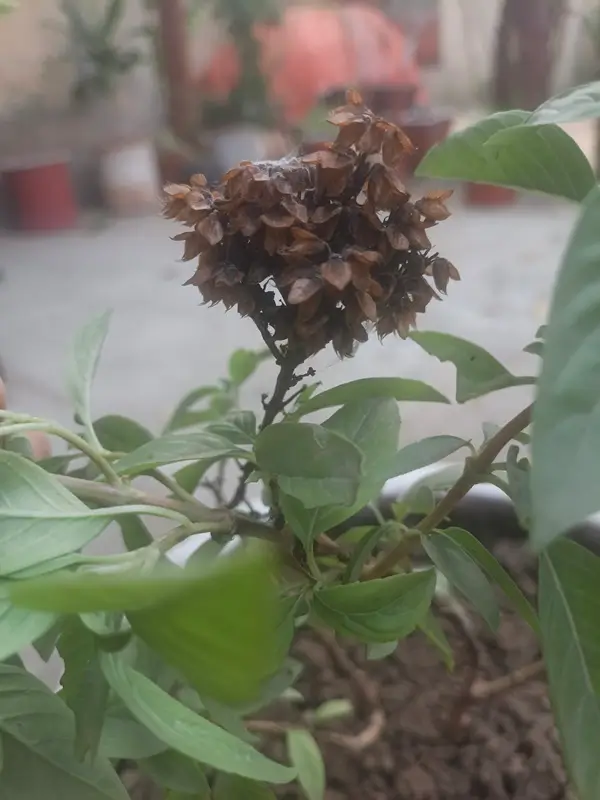
The Bud Pinching Secret: Preventing Bitter Leaves
Allowing your basil plant to flower might look pretty, but it fundamentally changes taste of your herb.
When a basil plant starts producing flower buds, it shifts its lifecycle energy from foliage production to seed generation.
Removing these buds as soon as they appear is an important step in learning how to harvest basil for long-term production & maximum culinary flavor.
1. Why Flowers Ruin Basil Flavor
When flower buds develop, the plant channels stored sugars & essential compounds into bloom rather than foliage.
This chemical transition causes bitterness to rise sharply inside leaves & making them tough, bitter & far less enjoyable for fresh cooking.
Pinching off these buds stops this transition immediately, preserving leaf sweetness you want for dishes like pesto & sauces.
2. Pinching Flowers to Extend Your Basil’s Lifespan
Basil is an annual herb that naturally aims to produce seeds before dying off.
If you allow flower heads to mature, the plant assumes its lifecycle is complete & stops generating new shoots.
Pinching out topmost flower stems tricks plant into remaining in its vegetative growth state, keeping it young & continuously producing fresh leaves late into growing season.
3. How to Pinch Basil Flower Buds Correctly
To remove flower buds cleanly, use your thumb & index finger or small snips to pinch off blooming top right above nearest pair of healthy leaves.
Avoid yanking or tearing flower stalk, as this can strip outer bark of stem & invite disease.
For expert guidelines on herb propagation & flowering control, check out comprehensive guides from Royal Horticultural Society.
Regular inspection twice a week ensures you catch tiny buds before they divert vital resources away from your leaf plant.
Safe Harvesting Limits: The 10% Trimming Rule
Knowing how to harvest basil on a consistent routine is just as crucial as knowing where to make cuts.
Establishing a regular harvesting schedule keeps plant in a perpetual state of vegetative growth & preventing it from aging prematurely, while supplying you with continuous fresh leaves all season.
1. Avoiding Over-Harvesting & Plant Shock
When a basil plant is left unpruned for weeks, it begins to mature toughen its stems & prepare for flower production.
If you do Regular harvesting—ideally every week or two—it signals herb to remain in an active growth phase.
Constant light trimming saves the plant from growing long leggy stems & ensures every new shoot produces soft & aromatic leaves.
2. Maintaining Continuous Weekly Yields
For optimal results, inspect your basil plant every 5 to 7 days.
Rather than taking large amounts at once, aim to trim about 10% to 20% of top foliage during each routine session.
This steady harvesting schedule maintains steady air circulation through branches & gives roots enough foliage to sustain strong photosynthesis without causing growth shock.
3. Proper Leaf Storage & Post-Harvest Care
Once you have picked your fresh basil leaves, store them properly to preserve their delicate essential oils.
Place harvested stems in a glass of room-temperature water like fresh flowers & wrap dry leaves in a damp paper towel inside a sealed container.
Never store fresh basil directly in the refrigerator – as cold temperatures cause leaves to turn black & lose their sweet flavor.
For a complete guide on herb preservation techniques, refer to resources from The Old Farmer’s Almanac.
Post-Harvest Care & Fresh Storage Methods
Knowing how to harvest basil is only half the battle – knowing how to properly store your fresh leaves ensures all that hard work doesn’t go to waste.
Freshly picked basil leaves are delicate & prone to rapid wilting & flavor loss if exposed to improper temperatures or extreme moisture levels.
1. How to Keep Whole Basil Stems Fresh in Water
The single best way to keep whole basil stems fresh for up to two weeks is to treat them like a bouquet of cut flowers.
Trim ends of the stems slightly & place them in a jar or glass with an inch of fresh room-temperature water.
Keep jar on your kitchen counter away from direct sunlight.
Covering top loosely with a clear plastic bag helps retain moisture while allowing leaves to breathe.
2. Why You Should Never Put Fresh Basil in the Fridge
A common mistake among home gardeners is putting fresh basil leaves straight into refrigerator.
Cold temperatures below 50°F (10°C) cause severe chilling injury, which turns tender green leaves completely black & destroys their essential aroma.
If you must store individual harvested leaves in the fridge, wrap them dry in paper towels & seal them inside an airtight container or zip-top bag to cushion them from direct cold air.
3. Long-Term Preservation (Freezing & Drying)
If you have a massive harvest that you cannot use within a week, long-term preservation methods work best.
You can chop clean leaves & freeze them with a little olive oil in ice cube trays & create convenient pre-portioned cooking cubes.
Alternatively, blending your fresh leaves into a homemade pesto & freezing it preserves vibrant color & flavor & natural oils for up to six months.
Frequently Asked Questions
To keep your basil plant growing - always snip stem right above a node with two young leaves instead of plucking individual bottom leaves. Cutting top stems prevents plant from getting leggy & triggers it to split into two new branches- doubling your foliage yield over time.
Freezing is much better than drying for preserving basil's natural essential oils sweet flavor & vibrant green color. Dried basil often loses its aromatic flavor & turns brown - whereas freezing chopped leaves in olive oil or as pesto locks in fresh taste for up to six months.
Harvest healthy, undamaged stems in early morning using sharp scissors. Wash & gently dry the leaves - then hang small bunches upside down in a warm & dark room with good ventilation for 1 to 2 weeks until fully crisp before crumbling them into airtight glass jars.
Yes, you can eat raw basil leaves directly off plant! Just make sure to rinse them under cold water first to remove any dust & small insects - ensuring they are fresh, aromatic & safe for cooking or garnish. How do you pick basil so it keeps growing?
Is it better to dry basil or freeze it?
How to harvest & dry fresh basil?
Can I eat basil right off plant?