

Key Takeaways
If you have an abundant harvest from your garden, learning how to freeze basil is the best way to preserve its fresh flavor & color all year long.
Basil – also known as Ocimum basilicum – is a fragrant culinary herb that originated in Asia & Africa.
Its scientific name comes from Greek okimon (aromatic herb) & basilicum (kingly/royal) – earning it the title “king of herbs.” It is part of mint family & includes more than 150 species – that are enjoyed by gardeners worldwide.
These herbs are loved due to their very pleasant properties & distinctive flavor, which is used extensively in Mediterranean cuisines – especially in Italian foods such as pesto.
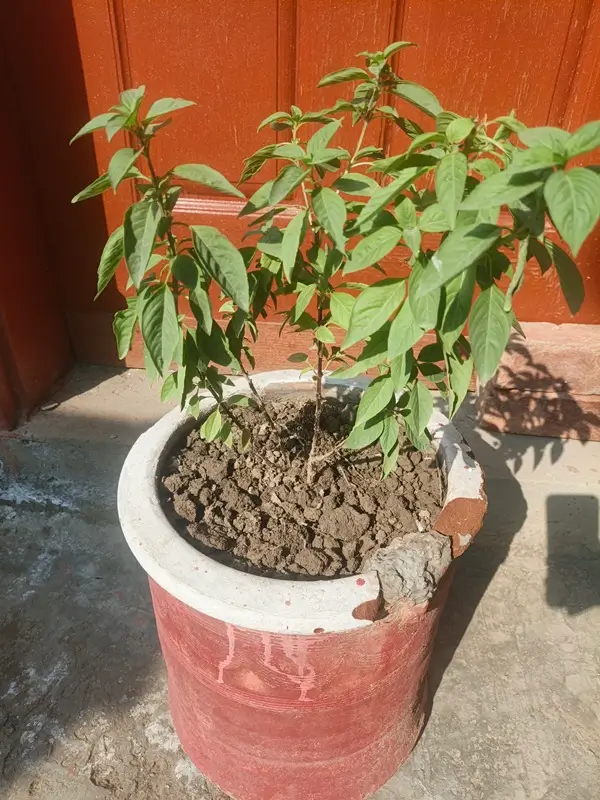
Basil is a warm-season herb. A healthy basil plant care guide consists of –
- Plenty of sunlight
- Warm temperatures
- Moist but well-draining soil
- A suitable pot or enough growing space to support strong roots, healthy leaves & steady growth
- Nutrient soil &
- Good air circulation supports healthy foliage & new growth
Knowing how to freeze basil properly prevents it from turning black & losing its aroma. Understand the 5 techniques of Freezing Basil.
Method 1: 4 Steps of Flash Freezing Whole Basil Leaves
Flash freezing is the single best way to lock in basil’s garden-fresh flavor without turning your leaves into a dark & mushy mess.
By freezing each leaf individually on a baking sheet before transferring them to long-term storage, you protect their delicate cellular structure.
Step 1: Complete Washing & Drying
- Wash basil leaves under cool running water to remove dust & soil.
- Pat them completely dry using a soft paper towel or salad spinner -any leftover moisture turns into damaging ice crystals.
Step 2: Single-Layer Tray Setup
- Use a tray & baking sheet with parchment paper.
- Arrange leaves in a single layer & making sure no two leaves touch each other.
Step 3: Quick Freezer Solidification
- Set your tray flat in your freezer for 1 – 2 hours until leaves feel firm & crisp to the touch.
Step 4: Airtight Storage Bagging
- Transfer frozen leaves into an airtight Ziploc freezer bag or glass container.
- Gently remove excess air before sealing tightly & returning to freezer.
Method 2: 4 Easy Steps of Freezing Basil in Olive Oil Cubes
Freezing fresh basil in olive oil is a clever culinary trick that preserves both vibrant flavor & rich aroma of your harvest.
Because oil acts as a natural barrier against air exposure, this method prevents leaf oxidation & stops your herbs from turning black in the freezer.
Here are 4 steps to freeze Basil in olive oil cubes:
Step 1: Chopping & Prepping
- Finely chop your clean & dry basil leaves or give them a quick pulse in a food processor.
- Keeping the pieces small helps them blend evenly with the oil.
Step 2: Filling the Ice Tray
- Pack chopped basil into the compartments of a clean ice cube tray & filling each well about two-thirds full with herbs.
Step 3: Submerging in Virgin Olive Oil
- Pour high-quality virgin olive oil over leaves until they are completely submerged.
- Ensuring no leaves float to top keeps them fully protected from freezer burn.
Step 4: Freezing & Portion Storing
- Leave tray in freezer until solid (about 4 – 6 hours).
- Take frozen cubes out & transfer them in freezer bag for cooking later.
The 3-Second Blanching Technique
Blanching is the secret step professional chefs use to keep basil bright green & full of fresh aroma for months.
Without a quick heat shock, natural enzymes in leaves react with cold air & turning your basil dark, limp & bitter.
Blanching deactivates these enzymes instantly – locking in both flavor & color.
4 steps for blanching basil for freezing.
Step 1: Ice Bath Preparation
- Make a bowl with cold water & ice cubes.
- Having this ready before you heat water is to stop cooking process immediately.
Step 2: Flash Boiling Heat Shock
- Bring a pot of water to a rolling boil.
- Using tongs or a strainer – submerge basil leaves in boiling water for just 3 – 5 seconds.
- Do not leave them in any longer, or the leaves will cook through.
Step 3: Immediate Ice Plunge
- Transfer blanched leaves into an ice bath.
- Wait for 30 seconds to cool them down completely & preserve green hue.
Step 4: Thorough Drying & Wrapping
- Remove the leaves & pat them thoroughly dry with paper towels.
- Once dry store them flat in an airtight freezer bag or roll them tightly into a small log wrapped in plastic wrap before freezing.
Method 4: Puréeing & Portioning Basil Paste
Puréeing basil leaves into a rich paste is one of the quickest ways to preserve your harvest for instant cooking.
By blending leaves with a splash of olive oil – you break down the tough plant fibers into a smooth flavor base that melts seamlessly into hot dishes without needing to thaw first.
Step 1: Blending with Olive Oil
- Add dry basil leaves to a food processor or blender.
- Add 1 – 2 tablespoons of virgin olive oil – per cup of fresh leaves to help them process smoothly.
Step 2: Achieving the Right Consistency
- Pulse the mixture until the leaves are completely broken down into a coarse or smooth paste & depending on your preference.
- Avoid over-processing to prevent heating the leaves.
Step 3: Tray & Mold Portioning
- Spoon basil paste into ice cube trays, silicone molds & small freezer-safe mini pots.
- Lightly press top of each portion flat.
Step 4: Top Sealing & Freezing
- Drizzle a thin layer of olive oil over top of each portion to seal out oxygen.
- Freeze until solid then pop paste blocks out & store them in an airtight freezer bag for up to 12 months.
Method 5: Vacuum & Ziploc Storage Secrets
Proper packaging is final & most critical line of defense when preserving garden-fresh basil.
Even if you use best flash-freezing or blanching techniques – improper storage will quickly ruin your harvest.
Air exposure & ambient humidity are primary causes of freezer burn, oxidation & severe discoloration.
By mastering vacuum sealing & heavy-duty Ziploc bag storage – you create an airtight barrier that preserves delicate essential oils, vibrant green color & intense aroma of your basil leaves for 8 to 12 months.
5 steps of freezing basil in Ziploc bags:
Step 1: Pre-Freezing Individual Leaves
- Never place fresh, loose & damp basil directly into a freezer bag without pre-treating it first.
- Always ensure your basil leaves have been thoroughly flash-frozen on a baking sheet, blanched & dried.
- Pre-freezing ensures leaves remain completely separate inside bag, allowing you to grab exact single-serving portions whenever you cook rather than fighting with a single frozen clump.
Step 2: Heavy-Duty Bag Protection
- Transfer your prepared leaves & frozen oil cubes into a thick & food-grade freezer bag rather than standard thin sandwich bags.
- Arrange whole leaves completely flat in a single layer.
- Laying bag flat prevents delicate & brittle frozen leaves from snapping or crumbling into dust under the weight of other frozen foods in your freezer.
Step 3: Eliminating Trapped Oxygen (Straw Method)
- Oxidation is a silent killer of frozen herbs.
- If you own a vacuum sealer – use the “Pulse” or “Gentle” setting to draw out trapped air without crushing delicate leaves into a pulp.
- Apply the straw technique: zip the bag almost completely shut & leave a tiny opening at one corner – insert a clean drinking straw & gently suck out all remaining air until plastic shrinks.
- Pull the straw out & instantly press the seal completely shut.
Step 4: Secondary Light & Temperature Shield
- Temperature fluctuations inside your freezer cause condensation cycles, leading to ice crystal formation inside bag.
- Wrap your Ziploc bags in a layer of heavy-duty aluminum foil or place them inside a dark & solid freezer container.
- This extra barrier protects leaves from ambient light & heat spikes whenever freezer door is opened.
Step 5: Labeling & Deep-Freezer Placement
- Use a permanent waterproof marker to label the bag with preservation method & exact date of freezing.
- Store the bags flat in the deepest & coldest part of your freezer – strictly away from door shelves where temperature drops occur daily.
- For optimal flavor & aroma – use your stored basil within 10 to 12 months.
How to Thaw & Cook with Frozen Basil
Properly thawing frozen basil is just as important as freezing process itself.
If thawed incorrectly, frozen leaves can quickly break down, losing their vibrant color, aromatic oils &crisp texture.
1. Direct-to-Pan Cooking
- For warm dishes like soups, stews, marinara sauces & curries, there is no need to defrost your basil first.
- Drop frozen oil cubes, frozen basil paste & blanched whole leaves directly in hot pot during final 5 to 10 minutes of cooking.
2. Controlled Room Thawing
- If you need whole leaves for garnishing or room-temperature recipes – gently transfer the required number of leaves from your Ziploc bag onto a dry paper towel.
- Allow them to thaw at room temperature for 5 to 10 minutes.
3. Avoiding Crucial Mistakes
- While frozen basil loses its raw crispness for fresh Caprese salads -it excels in cooked & blended applications.
- Use flash-frozen leaves & frozen oil cubes for homemade pestos, pasta sauces, pizzas, roasted vegetable & herbal salad dressings.
(3) Mistakes That Ruin Frozen Basil
Experienced issues like blackened leaves, freezer burn & loss of aroma when freezing herbs.
Avoiding these five common mistakes will protect your basil harvest & guarantee rich flavor all Freezing Wet Basil Leaves.
1. Direct Air Exposure
- Storing basil in non-airtight containers or thin plastic wrap exposes leaves to continuous cold air circulation.
- This oxidizes natural compounds, turning bright green leaves brown or black within a few weeks.
- Always use thick & vacuum-sealed bags or heavy-duty Ziploc freezer bags.
3. Warm Water Rinsing
- Throwing fresh & loose basil leaves straight into a bag results in one large & frozen mass of stuck-together leaves.
- Taking an extra 1 to 2 hours to flash-freeze leaves individually on a tray ensures you can retrieve individual portions effortlessly later on.
3. Rough Handling
- The freezer door experiences significant temperature drops every time it opens.
- Store your packed basil in the deepest, rear section of the freezer – where temperature remains consistently frozen preventing thawing & refreezing cycles.
Frequently Asked Questions
Does basil turn black when frozen?
Yes - fresh basil leaves turn black when frozen - due to an enzymatic reaction triggered by cold air & oxygen exposure. Cell walls break down & releasing enzymes that oxidize leaf tissue. To keep basil green & blanch leaves in boiling water for 3 to 5 seconds before plunging them into ice water & coat whole leaves in olive oil prior to freezing.
Is it better to freeze basil in water or olive oil?
Freezing basil in olive oil is better for preserving flavor & color. Oil seals out oxygen - prevents leaves from blackening & locks in natural aromatic oils. Water frozen basil works okay for soups - but it breaks down cell walls more aggressively resulting in mushier leaves upon thawing.
Should fresh basil be washed before freezing?
Yes fresh basil must be washed to remove dirt & potential pests. Rinse leaves gently under cold water - then dry them completely using paper towels or a salad spinner. Any remaining surface moisture turns into ice crystals which causes freezer burn & makes leaves turn dark & soggy faster.
Can you freeze basil in a Ziploc bag?
Yes you can freeze basil in a Ziploc bag. For best results lay dry & oil coated leaves flat in a single layer inside a freezer safe Ziploc bag. Press out all excess air before sealing tightly to avoid freezer burn & store pre-frozen oil cubes in bag.