
Key Takeaways
| What You Will Learn | How It Helps Your Plant |
|---|---|
| Light Requirements | Discover the exact spot that prevents scorched leaves. |
| How Often to Water Dracaena Marginata | Learn signs that keep roots healthy & prevent root rot. |
| Best Soil Mix & Potting Needs | Uncover a secret that allows roots to breathe & thrive. |
| Ideal Temperature & Humidity | Understand how seasonal adjustments protect your plant from stress. |
| Yellow Leaves & Brown Tips | Decode what your plant is secretly trying to tell you before damage. |
| Pruning & Propagation Techniques | Explore methods to control height & multiply your collection. |
| Common Pests & Prevention Methods | Master early secrets to protect your dragon tree from invaders. |
If you are looking to bring a touch of vibrant green into your home without a complicated routine, learning how to care for Dracaena marginata is the perfect place to start.
Commonly known as the dragon tree, this stunning indoor plant is loved for its slender stems & eye-catching leaves, but it still needs attention to truly thrive.
Whether you are a beginner plant parent trying to keep your first leafy companion alive or looking to refresh your gardening skills, mastering the basics makes all the difference.
In this complete guide, we will walk you through simple, practical tips on how to care for Dracaena marginata so you can enjoy a healthy, stress-free plant for years to come.
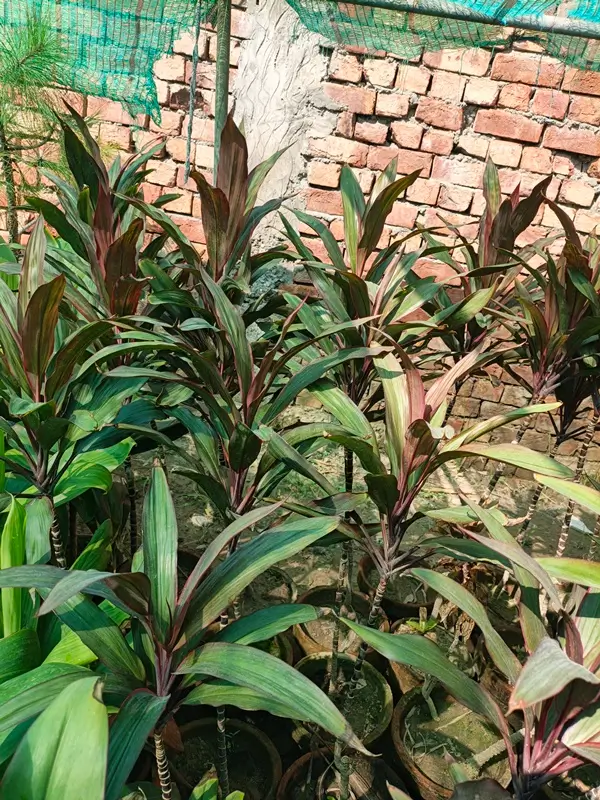
Step-by-Step Placement of Dracaena Marginata: Light Requirements
Finding right spot is essential.
You need to know – how to care for Dracaena marginata to keep it healthy.
Light controls leaf color & stem strength. Madagascar is the native home of this plant.
It grows under warm tropical trees & filtered sunlight – these natural conditions best.
Step 1: Finding Bright Indirect Sun
- Bright Indirect Sun: Filtered light through thin curtains creates the safest indoor environment
- Medium Light Tolerance: This hardy plant adapts to lower light but growth slows
- East Window Placement: Soft morning sunlight provides ideal energy without burning sensitive foliage
- LED Grow Lights: Artificial lights help plants thrive in dark rooms without natural windows
- You must monitor changing room light
- Place the pot near soft windows
- Keep it away from harsh rays
- Direct sun scorches thin green leaves
- Dark corners cause weak stems & dull colors
Learning how to care for Dracaena marginata – requires observing these subtle daily shifts.
Step 2: Assessing Medium Light Tolerance
- Pale Faded Leaves: Too much sunlight bleeds out rich colors & dulls red margins
- Leggy Weak Stems: Very low light forces trunks to stretch unsteadily toward distant windows
- Crispy Sunburn Marks: Direct UV rays leave permanent dry brown spots on delicate leaves
- Stunted Leaf Growth: Low light stops new leaves from growing & weakens trunk stability
- Watch for quick signs of stress
- Move pot closer to light if stems bend unsteadily
- Move it into shade if leaves bleach
- Quick action prevents lasting structural damage
- Small adjustments keep the canopy tight, dense & upright
This practice is key – when you study how to care for Dracaena marginata properly.
Step 3: Seasonal Light Adjustment
- Winter Window Moves: Shift pots closer to glass as winter daylight hours grow shorter
- Summer Heat Protection: Pull containers back from hot glass during intense midday summer heat
- Weekly Pot Rotation: Turn your container every week so all sides receive balanced light
- Patio Shielding: Transition indoor plants slowly before moving them into outdoor summer shade
- Seasonal changes require routine care adjustment
- Light drops during short winter days
- Move your plant closer to windows
- Summer glass gets hot fast
- Move pots back to protect plant from excess heat
For deeper tips on managing indoor sun exposure – read these indoor plant lighting guidelines.
Understanding these shifts helps you know – how to care for Dracaena marginata yearly.
Step 4: Using LED Grow Lights
- Dust Wipe Down: Clear dust off thin leaves using a clean & damp cloth regularly
- No Leaf Shine: Avoid commercial shine products – because they clog leaf pores quickly
- Gentle Water Shower: Rinse entire plant with lukewarm water to remove stubborn dust
- Air Drying Routine: Wipe excess moisture off plant to prevent fungal spots from spreading
- Dust layer blocks light penetration
- Clean leaves absorb light much faster
- Photosynthesis slows down when dust builds up on plant
- Clean leaves with fresh water every few weeks
This simple task restores natural green shine & builds plant resistance.
It remains a vital step as you practice how to care for Dracaena marginata.
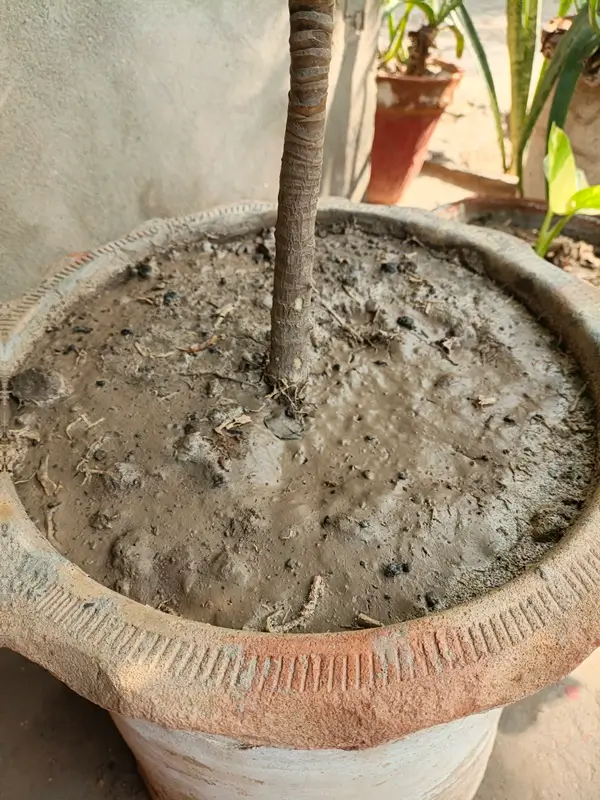
How Often to Water Dracaena Marginata: Watering & Soil Methods
Proper watering balance is important for health.
You must learn how to care for Dracaena marginata – without drowning root system.
Water requirements change with seasonal changes.
Native tropical roots prefer drying out between sessions.
Constant moisture causes fast fungal damage underground.
Careful moisture testing keeps plant vibrant & strong.
Method 1: Essential Watering Guidelines
- Top Soil Dryness Test: Wait until the top two inches feel completely dry before watering
- Drainage Hole Check: Check pot bottom holes allow excess water to escape freely
- Lukewarm Water Usage: Use room temperature water to avoid shocking sensitive root systems
- Pour water until it drains out
- Root rot develops quickly in overwatered containers
- Never leave standing water inside bottom trays
- Discard excess runoff ten minutes after watering
- Underwatering causes dry brittle leaves to drop off
- Balanced soil moisture protects plant health long term
Understanding these steps helps you master how to care for Dracaena marginata safely.
Method 2: Signs of Watering Problems
- Soft Yellowing Leaves: Excessive moisture turns lower leaves yellow, limp & soggy fast
- Crispy Brown Leaf Tips: Dry air or underwatering burns outer margins of upper leaves
- Squishy Dark Stems: Root rot softens main trunks near soil surface line
- Sudden Foliage Drop: Massive leaf drop signals severe root distress from overwatering
- Watch for subtle stress indicators every single week
- Adjust watering schedules immediately when leaves turn soft
- Let soil dry out further if trunks feel spongy
- Trim away severely damaged leaves using clean sharp shears
- Prompt action saves damaged plants from total failure
- Daily observation shows you how to care for Dracaena marginata effectively
Method 3: Choosing the Best Soil Mix
- Fast-Draining Substrate: Mix potting soil with perlite or coarse sand for growth
- Peat Moss Addition: Add peat moss to retain moisture – while keeping air pockets
- Avoid Heavy Clay: Heavy soils retain too much water & suffocate roots
- Slightly Acidic pH: Maintain a balanced soil pH level between six & seven
- Soil structure controls root oxygen levels & drainage speed
- Heavy garden soil compacts tightly around delicate feeder roots
- Air pockets allow roots to spread without rotting in water
- Repotting every two years refreshes packed substrate layers thoroughly
For more details on choosing proper soil mixes – check out these houseplant soil mix guidelines.
Healthy soil remains essential as you learn – how to care for Dracaena marginata.
Method 4: Water Quality Considerations
- Distilled Water Preference: Use distilled or filtered water to avoid chemical tip burn
- Tap Water: Let tap water sit overnight to reduce fluoride levels
- Avoid Softened Water: Water softeners contain salts – that harm indoor root systems over time
- Rainwater Collection: Rainwater offers natural nutrients without added chlorine or minerals
- Tap water chemicals collect in leaf tips gradually over time
- Fluoride buildup creates ugly dark brown edges on upper leaves
- Filtered water keeps leaf margins clean & green
- Flushed soil clears accumulated salt layers every few months
Pure water choices ensure better growth as you practice – how to care for Dracaena marginata.
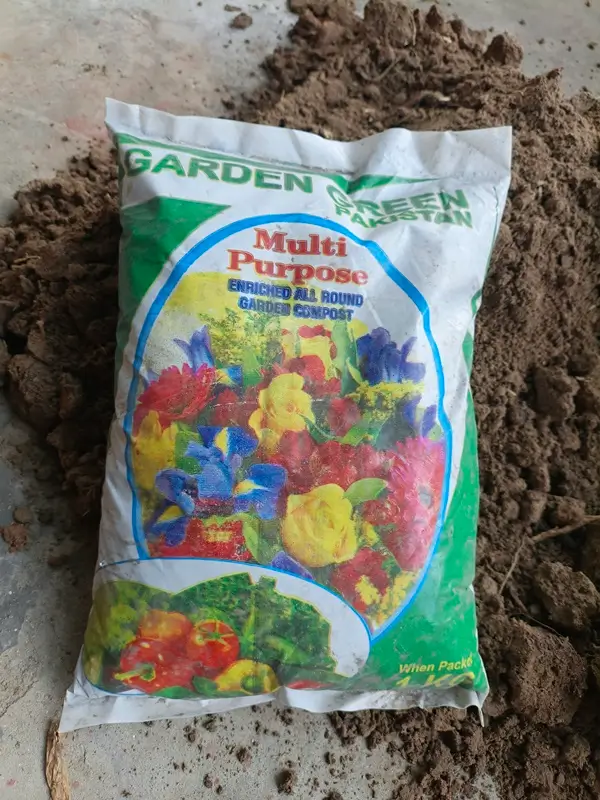
Factor Analysis for Dracaena Marginata: Best Soil Mix & Potting Needs
Choosing right potting mix creates a strong foundation for healthy roots.
If you want to master how to care for Dracaena marginata – you must avoid heavy garden dirt that traps moisture.
This tropical plant requires loose & airy soil to prevent root rot.
Proper soil structure allows oxygen to reach roots easily.
Clean repotting practices – keep your dragon tree growing tall & healthy.
Factor 1: Essential Soil Characteristics
- Fast-Draining Substrate: Combine potting soil with perlite & coarse sand to improve drainage
- Organic Matter: Mix in a small amount of peat moss or coco coir to retain moisture
- Avoid Heavy Clay Soils: Dense native dirt compacts tightly & suffocates roots
- Slightly Acidic pH: Maintain a stable soil pH level ranging between 6.0 & 6.5 for nutrient intake
- Heavy substrates hold too much water around trunk base
- Trapped moisture quickly invites fungal & root decay
- Light – porous mediums let excess water escape through drainage holes within seconds
- Knowing how to care for Dracaena marginata means – checking that your soil mix never packs down too tightly over time
Factor 2: Repotting & Container Selection
- Select Drainage Holes: Always use pots with large bottom drainage slots to clear out surplus water
- Choose Breathable Containers: Terracotta pots allow extra moisture to evaporate through porous clay walls efficiently
- Repot Every Two Years: Move growing plants into slightly larger containers during active spring months
- Fresh Soil Refresh: Replace old potting mix during each container upgrade cycle
- Growing dragon trees outgrow their current pots & become root-bound
- Cramped roots slow down top canopy growth & weaken structural stability
- Upgrading to a container just two inches wider gives roots fresh room to expand
- Proper container management helps your plant stays healthy for years
Factor 3: Troubleshooting Soil & Drainage Issues
- Fixing Compacted Dirt: Poke gentle aeration holes into surface soil using a chopstick to restore airflow
- Salt Buildup Flushing: Pour clean water thoroughly through soil every few months to wash away mineral crusts
- Treating Waterlogged Pots: Repot plants into dry & fresh soil immediately if your current mix stays soggy too long
- Preventing Soil Pests: Keep topsoil dry between watering sessions – to deter fungus from laying eggs
- Poor soil drainage ruins even best watering routines
- Stagnant moisture turns roots soft, dark & vulnerable to disease
- Inspecting texture regularly helps you catch drainage problems before damage spreads upward
Staying attentive to root conditions is a main part of learning – how to care for Dracaena marginata successfully.
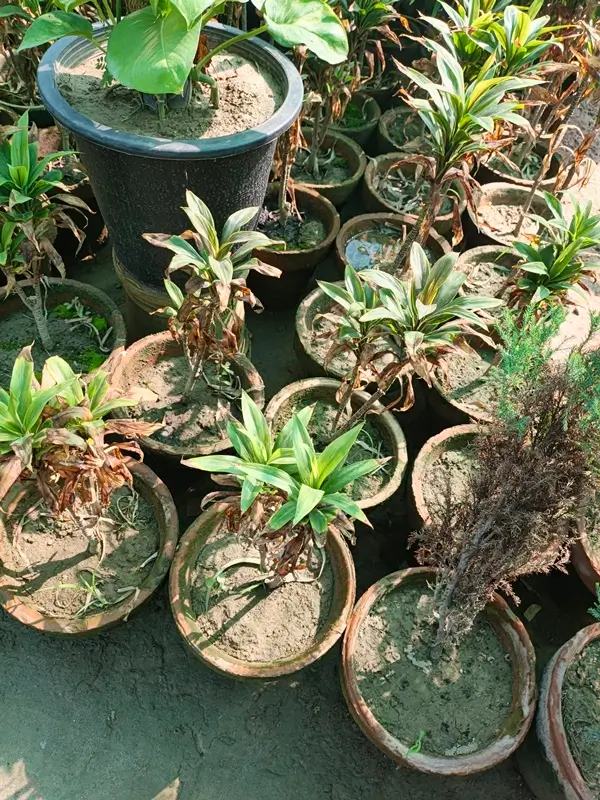
Level Management for Dracaena Marginata: Temperature & Humidity
Maintaining right climate inside your home is critical for tropical plants.
If you want to master how to care for Dracaena marginata – you must understand how room temperature fluctuations & ambient moisture affect your dragon tree.
Native to warm African regions – this indoor houseplant expects steady atmospheric conditions.
Sudden weather shifts & dry indoor air can quickly trigger plant stress.
Managing indoor humidity levels – keeps leaves glossy, firm & entirely free of crispy brown tips.
Level 1: Temperature Requirements
- Ideal Warmth Range: Keep your room temperature – between 65°F & 80°F for optimal plant metabolism
- Avoid Cold Drafts: Shield pots away from drafty windows, exterior doors & sudden chilly gusts
- Minimum Limit: Never let surrounding temperatures drop below 50°F to prevent severe chilling injury
- Air Vent Protection: Position containers far away from direct air conditioning units or heating vents
- Sudden temperature changes cause weak stems & unexpected leaf drops
- Chilly window panes during winter nights can freeze fragile tropical tissue
- Placing your dragon tree in a warm & stable room prevents weather shock
Understanding how to care for Dracaena marginata – means choosing a permanent indoor spot away from cold draft & heating radiators.
Level 2: Humidity Management
- Moderate Moisture Levels: Aim for average indoor humidity levels – between 40% & 50% for best results
- Pebble Tray Method: Set your pot on a tray filled with water & pebbles to boost moisture
- Group Indoor Plants: Set multiple houseplants together to create a naturally humid microclimate around plants
- Room Humidifier Use: Run a small cool-mist humidifier nearby – during dry winter heating seasons
- Dry air causes brown leaf tips & dull colors
- Indoor heating units dry out room air rapidly during cold seasons
- Maintaining moisture around plant prevents leaf edges from drying out
Level 3: Seasonal Temperature Adjustments
- Winter Glass Distance: Shift pots several inches away from cold window panes during winter months
- Summer Heat Shielding: Protect plant from direct glass heat during scorching afternoon summer days
- Indoor Location Control: Move plants to stable inner rooms – when extreme seasonal weather hits your region
- Nighttime Drop Shielding: Ensure night room temperatures remain steady
- Seasonal shifts demand small adjustments to protect overall plant health
- Growth naturally slows down during short winter days & making warmth even more critical
For extra tips on managing indoor atmospheric moisture, check out these indoor humidity guidelines.
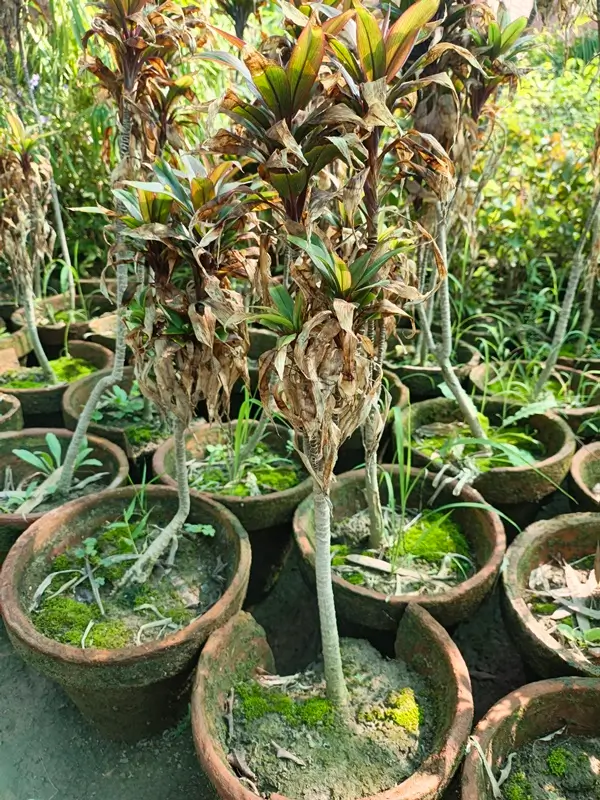
Cause Breakdown for Dracaena Marginata: Yellow Leaves & Brown Tips
Leaf discoloration is an early warning sign that your plant needs attention.
If you want to understand how to care for Dracaena marginata correctly – you must recognize these stress symptoms.
Improper watering or dry air frequently triggers – Dracaena marginata brown tips & yellowing leaves.
Following a proper Dracaena marginata care guide helps you fix these problems.
Cause 1: Yellow Leaves
- Overwatering Issues: Excessive moisture suffocates roots, turning lower leaves soft, soggy & yellow quickly
- Natural Aging Process: Older bottom leaves turn yellow & drop off naturally as part of normal plant growth
- Nutrient Deficiency: Depleted soil nutrients cause new upper leaves to look pale & weak over time
- Low Light Stress: Inadequate lighting prevents the plant from producing food
- If your plant leaves turn limp and yellow stop watering immediately.
- Adopting a proper Dracaena marginata watering schedule prevents root decay.
- Always check that top soil feels completely dry before watering
Cause 2: Brown Tips & Edges
- Dry Indoor Air: Low atmospheric humidity causes outer leaf to dry out & turn brown
- Tap Water Chemicals: Fluoride & chlorine buildup in municipal water worsens Dracaena marginata brown tips
- Underwatering Stress: Prolonged dry spells dry out delicate leaf tips & cause crispy edges
- Fertilizer Salt Buildup: Excess chemical fertilizer leaves crusty salt residues that burn sensitive root tips
- Prevent burnt edges by switching to filtered, distilled, or collected rainwater
- Practicing proper dragon tree care involves keeping surrounding air moist & avoiding harsh chemical
How to Fix it: Quick Solutions & Recovery Steps
- Trim Damaged Tips: Snip away crispy brown leaf with clean shears – leaving a thin dry margin.
- Adjust Watering Schedule: Test soil moisture levels before every session to avoid overwatering
- Flush Soil Salt: Pour clean water through the container thoroughly to wash away excess mineral crusts
- Relocate Your Plant: Move pots away from direct heating vents, cold drafts & intense afternoon sunbeams
- Trimming dead leaf tips restores a neat & vibrant appearance to your indoor plant
Continuous observation remains the ultimate key to mastering how to care for Dracaena marginata.
Step-by-Step Guide for Dracaena Marginata: Pruning & Propagation
If you want to know how to care Dracaena marginata then trimming leggy stems is an essential skill to learn.
Pruning encourages brand new branching heads to grow directly below your cuts.
Following a simple Dracaena marginata care guide ensures you perform these cuts safely shock.
Step 1: Pruning & Propagation Rules
- Trimming Overgrown Stems: Cut main trunks at a forty-five degree angle in spring using clean sharp shears
- Rooting Top Cuttings: Place severed top stems directly into clean water until fresh root roots emerge
- Propagating Bare Trunks: Submerge bare stem segments horizontally in moist potting soil to sprout new leaves
- Sealing Cut Trunks: Allow top cuts on main stems to calluses naturally to prevent fungal spore infection
- Dracaena marginata watering routine helps newly rooted cuttings establish strong roots without rotting
- Applying these basic dragon tree care techniques allows you to expand your plant
- Making clean cuts prevents severe leaf loss or permanent damage to the main plant
Step 2: Pruning Safety & Aftercare Tips
- Optimal Trimming Season: Plan major prunings for early spring when active growth resumes
- Tool Sanitation: Sanitize shears before trimming to prevent fungal plant infections
- Handling Plant Sap: Wear gloves while handling plants – as sap can cause mild skin irritation
- Post-Pruning Watering: Adjust your dracaena marginata watering after trimming to support new stem buds
- Applying proper post-trimming care guarantees rapid recovery
- Taking simple precautions prevents Dracaena marginata brown tips & supports quick regrowth
- Regular check for how to care for Dracaena marginata – ensures fresh plant develops quickly & stays healthy
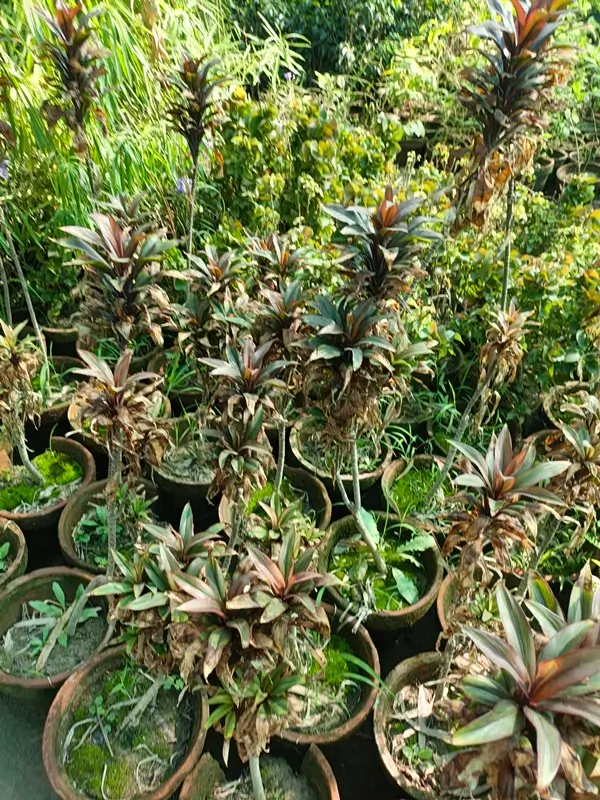
Method Control for Dracaena Marginata: Common Pests & Prevention
Keeping unwanted insects away is essential to protect your plant from severe damage.
Protecting your dragon tree ensures plant stays clean, vibrant & entirely free of permanent insect marks.
Method 1: Identifying Common Indoor Pests
- Spider Mite Infestations: Tiny webbing under leaves indicates fast-moving spider mites thriving in dry indoor air
- Mealybug Clusters: White cottony masses tucked in leaf joints signal hidden mealybugs drinking sap
- Scale Insect Shells: Small brown bumps on stems represent hard scale insects sapping plant strength
- Fungus Gnat Activity: Small black flies buzzing around soggy topsoil show overwatered soil conditions
- Catching pest outbreaks early prevents widespread leaf damage & protects your dragon tree from slow decline.
Method 2: Natural Pest Control & Treatment
- Neem Oil Spraying: Wipe plant with organic neem oil solutions to smother soft-bodied insects naturally
- Insecticidal Soap Washes: Clean sticky leaf surfaces using mild insecticidal soap mixed with warm water
- Alcohol Swab Spot Treatment: Dab stubborn mealybugs directly with cotton swabs soaked in rubbing alcohol
- Rinsing Foliage Regularly: Shower the entire plant canopy under a tap to wash away microscopic pests
- Chemical-free treatments keep your indoor environment safe while solving insect problems effectively
- Keeping leaves clean and pest-free ensures your indoor foliage remains healthy all year
Method 3: Long-Term Prevention Strategies
- Quarantining New Houseplants: Inspect & isolate new green additions for two weeks before placing them near your collection
- Improving Air Circulation: Position plants with enough spacing to prevent stagnant air pockets from breeding insects
- Wiping Leaves Clean: Remove accumulated dust weekly to deny tiny pests a safe hiding environment
- Avoiding Over-Fertilization: Skip heavy feeding doses because tender new growth attracts hungry sap-sucking insects
Frequently Asked Questions
How often should I water my Dracaena marginata?
Water when the top two inches of soil feel dry to the touch, usually every 10 to 14 days. Reduce frequency in winter to prevent root rot.
Why are the leaf tips turning brown?
Brown tips are commonly caused by low humidity, dry indoor air, mineral accumulation from tap water, or underwatering.
Is Dracaena marginata toxic to pets?
Yes, it contains saponins, which are toxic to cats and dogs if ingested, causing symptoms like drooling and vomiting.
How much light does Dracaena marginata need?
It thrives best in bright, indirect light. It can tolerate low light conditions, but direct sunlight will scorch its thin leaves.