

Key Takeaways
| Topics | What You’ll Discover |
|---|---|
| Is Dracaena Toxic to Dogs? | The quick direct answer every dog owner needs to know instantly. |
| Why Dracaena is Poisonous | Learn about the hidden chemical in the plant that affects pets. |
| Recognizing Toxicity Symptoms | Spot the early warning signs of Dracaena poisoning before it worsens. |
| Emergency Steps to Take | Actionable first-aid guide to protect your dog if they ingest leaves. |
| Toxicity Profile & Medical Care | A complete breakdown of risks, ASPCA status & professional veterinary treatment options. |
| Gardener Secrets for Safety | Learn simple pet-proofing techniques to keep houseplants & dogs safe together. |
Every plant lover enjoys adding fresh greenery to their living space, but pet owners must stay extra cautious. Indoor houseplants like Dracaena are widely popular for their air-purifying qualities & many dog parents wonder about their safety.
Is Dracaena toxic to dogs when pups decide to chew on green leaves? Understanding the hidden risks, recognizing early symptoms & knowing emergency steps will help you protect your pet effectively.
Is Dracaena Toxic to Dogs?
Yes, Dracaena plants are toxic to dogs because they contain naturally occurring chemical compounds known as steroidal saponins. When a dog bites glossy leaves or sturdy stems, these bitter compounds release immediately into their mouth & stomach. It causes severe digestive discomfort & distress for your pet.
As a long-time indoor gardener who has cultivated various Dracaena varieties alongside curious pets, I always advise treating any plant nibbling as a priority. Quick action stops further poison absorption & keeps your dog comfortable.
Toxicity Levels Across Plant Parts
Every single part of the Dracaena plant contains saponins, making the entire plant unsafe for dogs. The concentration of toxins varies depending on which portion of the plant your pet consumes.
| Plant Part | Toxin Level | Risk Factor for Dogs |
|---|---|---|
| Fresh Young Leaves | High | Highest concentration of saponins, easily chewed by dogs. |
| Woody Stems & Stalks | Moderate | Harder to chew, but can cause physical blockage in stomach. |
| Fallen Dry Foliage | Moderate | Remains toxic even after drying out on the floor. |
Chemical Defense Mechanism in Saponins
Steroidal saponins act as plant’s natural defense mechanism to deter insects & herbivores. When chewed by dogs – these chemicals create a foamy reaction that irritates mucous membranes.
- Saponins mix with saliva during chewing & form a bitter & soap-like froth.
- Chemical contact causes oral irritation & excessive drooling.
- Bitter taste usually prevents dogs from swallowing large & lethal quantities.
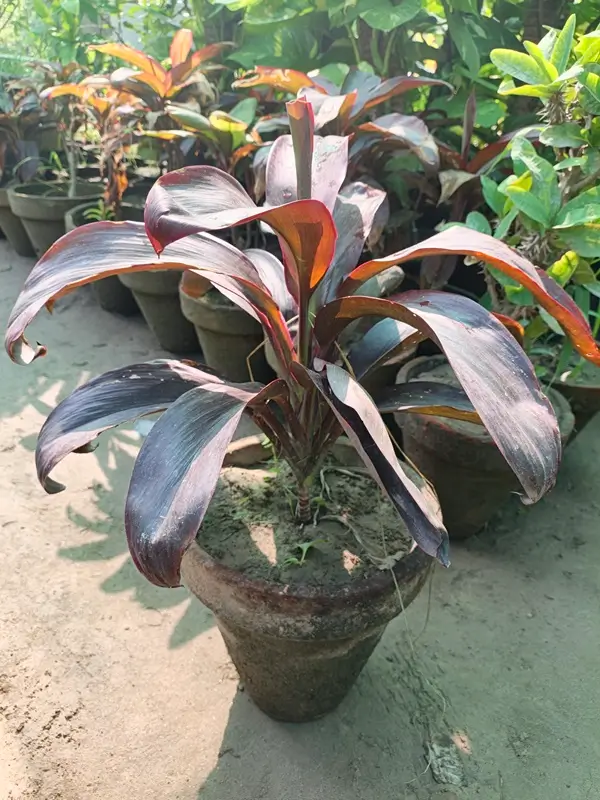
Why Is Dracaena Poisonous to Dogs?
Plant biology plays an important role in houseplant safety for pets. Leaves & stems store natural bitter irritants that activate immediately upon chewing or breaking. This defense mechanism shields the plant in nature, but creates immediate oral inflammation & stomach trouble for curious canines.
Last spring, my golden retriever Max bit into a young dragon tree (Dracaena marginata) leaf while I was repotting in the backyard. Within ten minutes, he was pawing frantically at his mouth with excessive & foamy drooling. Cleaning his mouth immediately & calling my local vet prevented the situation from turning into a full emergency.
3 Chemical Factors Behind Dracaena Toxicity
When plant cells break down during biting – internal fluids contact delicate animal tissue. This creates a chemical reaction that triggers fast discomfort.
- Chewed leafs creates a sharp & nasty taste on tongue
- Active irritants inflame throat tissues causing discomfort & swallowing difficulties
- Fibrous plant pieces trigger rapid stomach cramps & force vomiting
3 Key Factors That Increase Poisoning Risk
Every dog reacts differently based on physical traits & plant exposure levels. Understanding these factors helps evaluate risk quickly.
| Risk Factor | Impact Level | Why It Matters |
|---|---|---|
| Body Weight & Size | High Risk | Small breeds suffer serious toxicity from tiny leaf portions. |
| Plant Growth Stage | Moderate Risk | Fresh young leaves hold stronger irritant levels than stems. |
| Stomach Fullness | High Risk | Empty stomach ingestion leads to chemical absorption. |
3 Critical Symptoms of Dracaena Poisoning in Dogs
Plant toxins affect organs inside your pet’s body. Recognizing advanced internal discomfort helps owners – distinguish mild exposure from dangerous plant toxicity. Understanding is dracaena toxic to dogs helps you monitor subtle behavioral changes accurately during exposure.
- Visible pupil dilation develops as toxins interact with autonomic nerve pathways
- Low blood pressure triggers sudden physical weakness & visible body swaying
- Abdominal tenderness causes dogs to hunch their backs in severe pain
3 Behavioral Changes Caused by Plant Toxins
Changes in regular habits often indicate active dracaena toxicity in dogs – before visible physical sickness appears. Observing these daily shifts helps early detection of dangerous plant exposure.
| Behavioral Change | Observed Physical Sign | Underlying Cause |
|---|---|---|
| Extreme Lethargy | Dog lies flat & refuses to move. | Sudden drop in blood pressure & weakness. |
| Loss of Appetite | Refusal of food & favorite treats. | Serious chemical burning in throat & mouth. |
| Incoordination | Visible body wobbling while walking. | Toxin impact on internal motor pathways. |
3 Physical Signs of Severe Digestive Distress
Monitoring internal digestive reactions helps determine how much plant material was consumed.
- Frequent retching triggers painful dry heaves without food output
- Excessive swallowing movements show severe esophageal burning & discomfort
- High heart rates accompany sudden stomach cramping & intestinal distress

Emergency Steps to Take After Dracaena Exposure
Acting immediately reduces health risks when a dog ate dracaena leaves around your home. Immediate physical management stops – further plant ingestion before professional medical intervention starts.
- Isolate your pet in a quiet & low-light room to keep their heart rate & anxiety low
- Inspect surrounding indoor spaces to identify all chewed plant pots, broken stems & leaves
- Secure all household animals away from indoor garden zones to prevent secondary chemical exposures
3 Vital Data Points for Urgent Veterinary Care
Gathering details before reaching clinic helps medical staff prepare fast & targeted treatment. Veteran gardeners keep these key records handy – whenever indoor plant exposure occurs.
| Information Point | Required Detail | Medical Benefit |
|---|---|---|
| Ingestion Volume | Estimate exact amount of leaf tissue consumed. | Helps calculate chemical toxin dosage severity. |
| Time of Exposure | Note exact hour when plant chewing occurred. | Determines gastric washing is safe for your dog. |
| Dog Weight & Age | Provide physical weight figures. | Ensures accurate medication dosing at clinic. |
Key Aspects of Toxicity Profile & Medical Care
Understanding clinical toxicity profile helps owners appreciate – why professional veterinary care is necessary. Plant saponins cause serious internal organ distress if left untreated. Evaluating dracaena toxicity in dogs through clinical diagnosis helps your pet receive accurate therapeutic support.
- Chemical saponins irritate blood cells & digestive mucosal linings
- Toxic compound concentration is highest in fresh green leaves & stem sap, making active growth zones most hazardous
- Clinical absorption varies significantly based on your dog’s metabolic rate & overall physical size.
3 Standard Veterinary Treatments for Ingestion
Professional medical intervention focuses on absorbed toxins & stabilizing bodily functions. Veterinarians apply targeted clinical protocols to speed up chemical clearance from body.
- Intravenous fluid therapy maintains blood pressure & flushes toxic compounds through the kidneys
- Administration of activated charcoal binds remaining plant toxins inside gut to prevent systemic absorption
- Anti-emetic medications control severe nausea to stop esophageal tear risks caused by dry heaves
4 Essential Diagnostic Tests at the Clinic
Veterinary staff perform specific blood & organ screens to verify internal biological safety.
| Diagnostic Test | Clinical Focus | Health Benefit |
|---|---|---|
| Complete Blood Count (CBC) | Checks hydration & white blood cells. | Detects internal stress & active inflammation levels. |
| Serum Biochemistry Panel | Evaluates liver & kidney function. | Ensures internal organ stability during toxin clearance. |
| Abdominal Ultrasound | Scans stomach & intestinal tract. | Verifies no plant fibers are causing physical blockages. |
| Urinalysis Monitoring | Tracks toxin excretion efficiency. | Confirms kidneys are flushing out remaining compounds safely. |
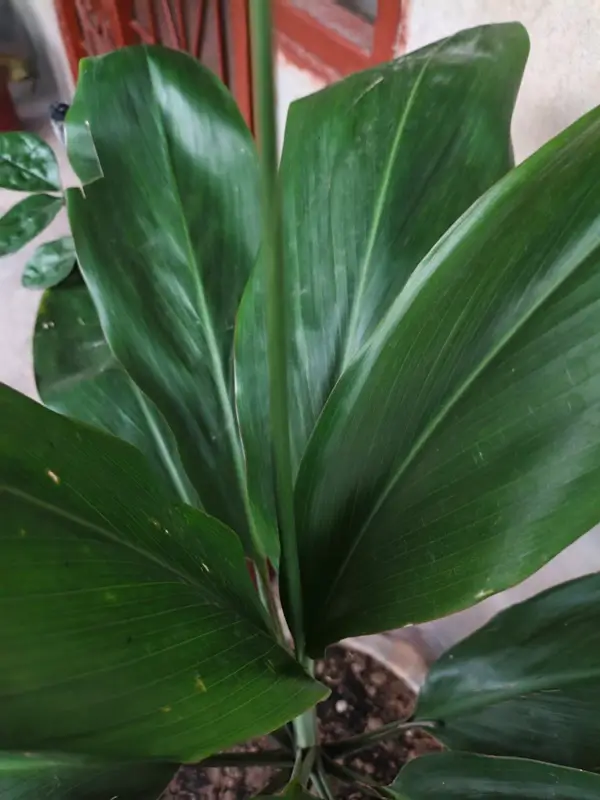
4 Gardener Secrets for Safety with Indoor Plants
Over my years of cultivating indoor greenery – I learned that preventing dracaena toxicity in dogs is about clever potting techniques. Dogs chew leaves mostly out of curiosity – so changing how you display plants works wonders. Before propagating new stems, review our houseplant propagation techniques to ensure every cutting stays far out of reach from pets. Simple nursery tricks can keep both your soil healthy & your pet completely out of harm’s way.
- Cover heavy planters with decorative lava rocks to prevent dogs from digging into moist soil
- Spritz lower plants with a homemade diluted lemon peel infusion that acts as a natural bitter taste
- Install high-wall macramé hangers so trailing green plant stays elevated above jumping height
- Trim yellowing bottom plant every week because soft falling leaves attract floor-bound puppies immediately
3 Best Dog-Safe Plant Alternatives
Changing risky plants for pet-safe varieties – lets you build a lush living room with complete peace of mind. As a long-time grower, I always recommend plants that handle indoor low light – while remaining harmless even if a dog ate dracaena leaves in past. Check this complete guide on pet-safe indoor plants to pick lush greenery.
| Gardener-Approved Plant | Growth Style | Gardener Insight |
|---|---|---|
| Parlor Palm | Feathery tropical fronds | Thrives in shady corners & avoids dracaena toxicity in dogs. |
| Spider Plant | Arching green leaves | Grows fast, purifies indoor air & is safe if dogs eat toxic plants accidentally. |
| Boston Fern | Lush cascading plant | Loves bathroom humidity & prevents dracaena poisoning symptoms dogs show. |
Final Thoughts on Is Dracaena Toxic to Dogs
Keeping a green home with pets is easy – when you place your plant pots in the right spots. Knowing is dracaena toxic to dogs helps you stay careful but moving to pet-friendly plants brings full peace of mind. Keeping heavy pots on top shelves keeps your house colorful while protecting your pet every day.
Frequently Asked Questions
What happens if a dog chews on a dracaena plant?
Chewing leaves causes mild mouth irritation & foamy drooling. Your pet may also throw up & lose appetite briefly.
How much dracaena is toxic to dogs?
Even a single leaf bite causes mild mouth burning. Eating larger stems leads to stomach discomfort & weakness.
How do I treat plant poisoning in my dog at home?
Wipe leftover leaf pieces from their mouth & give fresh water. Keep your pet calm & consult a local vet immediately.
Will a dog recover from plant poisoning?
Yes, most pets recover fully within two days. Quick home care & vet guidance ensure a fast & easy recovery.