
Key Takeaways
| What You Will Learn | How It Helps Your Plant |
|---|---|
| Best Time for Propagation | Discover the exact season when your plant roots fastest and avoids shock! |
| Water Propagation Method | How to easily root cuttings in water without risking stem decay? |
| Soil Propagation Method | When should you plant directly in soil for maximum root strength? |
| Ideal Cutting Technique | Where to make the precise cut to stimulate quick, healthy new leaves? |
| Post-Propagation Care | How to protect your fragile young roots during the critical first weeks? |
| Common Errors to Avoid | Which hidden mistakes cause rot, and how to keep your cutting thriving? |
Learning how to propagate dracaena is a rewarding way to expand your plant collection.
You can easily choose between propagating dracaena in water or propagating dracaena in soil.
Taking healthy dracaena stem cuttings allows you to quickly root dracaena cuttings at home.
Many plant owners wonder how long does dracaena take to root & can dracaena grow in water successfully.
Understanding the best time regarding when to propagate dracaena will naturally boost your dracaena propagation success rate.
Before cutting, make sure your parent plant is healthy & thriving.
If you notice any discoloration on your plant, check our step-by-step guide on how to fix dracaena leaves turning yellow to restore its health.
This basic preparation will make learning how to propagate dracaena much easier & more effective.
Essential Factors for Dracaena Propagation Timing
Timing plays a critical role when you learn how to propagate dracaena in water or soil.
Choosing the right season helps your stem cuttings form healthy roots much faster & prevents stem rot.
1. Spring Dracaena Growth Window
- Spring season is best time when to propagate dracaena for quick & healthy results
- Warmer room temperatures trigger natural plant hormones for fast root development
- Increasing natural daylight hours gives fresh cuttings maximum energy without stress
- Cuttings in spring face a very low risk of fungal infection or stem decay
- Active growth cycles help new roots establish strongly within just two to three weeks
2. Summer Dracaena Temperature Control
- Early summer supports dracaena propagation indoors during warm months
- High indoor humidity levels speed up leaf hydration & node activity
- Always keep your glass jars away from direct sunlight during propagating dracaena in water
- Direct sunlight overheats water & damages tender new root tissue quickly
- Fresh water changes every few days maintain high oxygen levels for healthy roots
3. Autumn Dracaena Care Adjustments
- Late warmth makes early autumn a suitable time for propagating dracaena in soil
- Stem cuttings root steadily before colder temperatures arrive in late months
- Controlled indoor climate protects young growth from cold night drafts & sudden chills
- Proper care helps new plants settle into potting mix before dormant cycles begin
- Reduced sunlight requires placing cuttings in bright locations for steady progress
4. Winter Dracaena Dormancy Risks
- Winter is not recommended for dracaena propagation tasks indoors
- Cold weather slows down root growth dramatically in both water & soil methods
- Low natural light conditions weaken fresh stem cuttings & delay root
- Water remains cold for long periods – which increases risk of stem rot
- Understanding when to propagate dracaena saves time & prevents unnecessary plant loss
Dracaena Water Propagation Methods
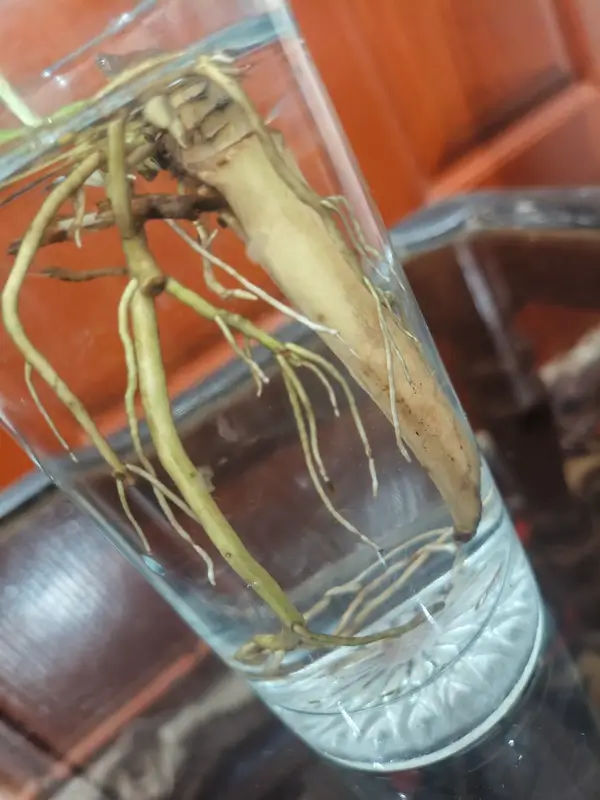
Mastering how to propagate dracaena in water is simple when you follow clear & precise steps.
This clean method lets you observe root growth daily without disturbing fragile tissue.
Step 1: Select Healthy Dracaena Cuttings
- Selecting healthy parent stems guarantees successful dracaena propagation
- Always cut a strong stem section using sharp & fully sterilized pruning shears
- Make your clean cut directly below a leaf node
- Ensure parent plant is fully hydrated before taking any fresh stem cuttings
- Avoid using weak, soft & diseased stems for propagating dracaena in water
Step 2: Prepare Dracaena Stem Cuttings
- Strip off all bottom leaves carefully to prepare stem for water
- Clean & bare lower stems prevent mold & acterial issues during dracaena propagation
- Keep three to four healthy leaves on top for proper light absorption
- Trim large top leaves in half to reduce moisture loss
- Allow fresh stem cut to air dry for ten minutes before submerging it
Step 3: Setup Dracaena Water Container
- Use a clear glass jar or tall vase when propagating dracaena in water
- Fill glass container with room-temperature filtered water or clean rainwater
- Submerge bottom two inches of bare stem completely in fresh water
- Clear glass jars help you monitor root growth progress daily during dracaena propagation
- Keep upper leaves resting fully above waterline to avoid decay
Step 4: Manage Care & Dracaena Soil Transition
- Position glass jar in a warm spot with bright indirect sunlight every day
- Change water every three to four days to maintain high oxygen levels
- Rinse submerged stem gently if you notice any slippery or slimy buildup
- Switch to propagating dracaena in soil once new roots reach two inches long
- Following these simple steps shows how to propagate dracaena with complete confidence
Dracaena Soil Propagation Methods
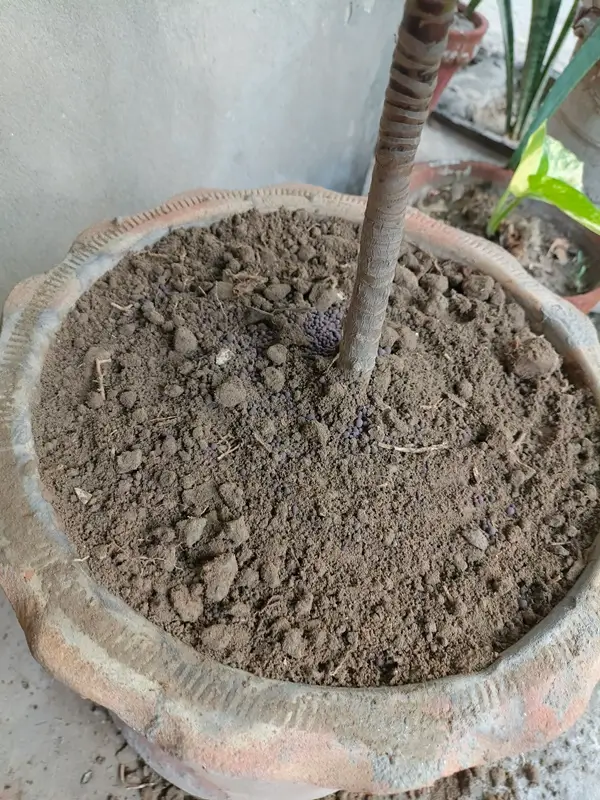
Propagating Dracaena directly in soil is an excellent method for building strong root systems.
Taking proper steps with potting mix ensures your stem cuttings establish quickly without rotting.
Method 1: Choose Soil & Dracaena Container
- Use a well-draining potting mix blended with perlite or coarse sand for proper aeration
- Select a small pot with clear drainage holes to avoid stagnant water
- Heavy soils retain too much moisture – which often causes stem rot in fresh cuttings
- Following basic tips on how to care for dracaena helps young roots absorb nutrients easily
- Clean pots prevent fungal spores from infecting fresh stem cuttings during propagation
Method 2: Prepare Dracaena Stem Section
- Cut a clean stem section using sharp shears
- Remove leaves from lower section of the stem to expose nodes clearly
- Dip freshly cut end into rooting hormone powder to speed up growth
- Let plant cut end air dry for ten minutes
- Keep three to four leaves on top for proper natural light absorption
Method 3: Plant Dracaena Cuttings Properly
- Make a small hole in the center of pre-moistened soil mix
- Insert bottom two inches of bare stem in hole
- Press soil lightly around base to keep stem upright & stable
- Avoid pushing cutting directly into dry soil to prevent tissue damage
- Ensure lower leaf nodes sit completely above soil surface to avoid decay
Method 4: Maintain Ideal Dracaena Environment
- Cover pot with a clear plastic bag to boost ambient humidity levels
- Keep plastic cover from touching plant leaves directly
- Place container in a warm spot receiving bright indirect light daily
- Prevent issues like yellowing dracaena leaves by watering only when top inch of soil feels dry
- Roots usually establish in soil within four to six weeks
Key Techniques for Dracaena Cutting Success
Learning the ideal cutting techniques when you want to know how to propagate dracaena with success.
Clean cuts speed up root growth & protect parent plants from unwanted tissue decay.
Technique 1: Sterilize Dracaena Tools
- Clean tools ensure your dracaena propagation process stays safe from infections
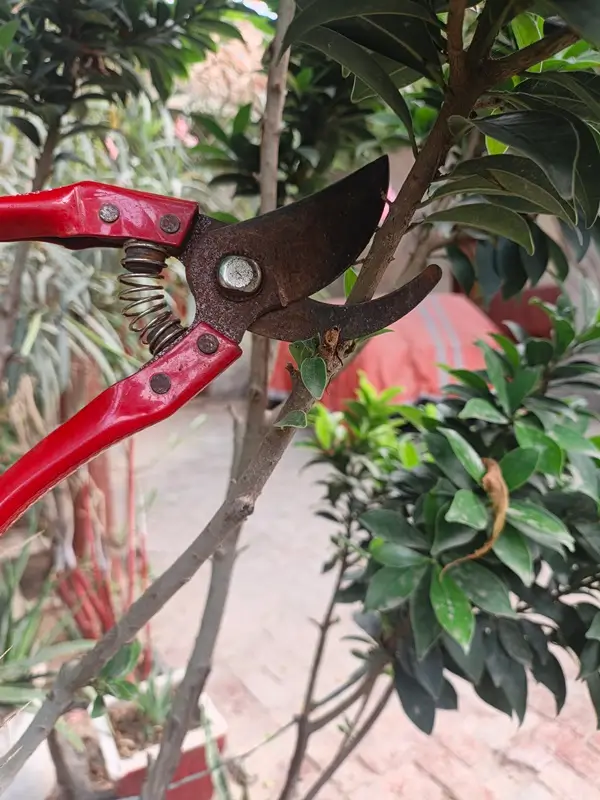
- Always sterilize your pruning shears using isopropyl alcohol or mild soap
- Sharp blades prevent stem bruising during propagating dracaena in water
- Clean equipment reduces fungal risks – when propagating dracaena in soil
- Sharp pruning tools create clean wounds that heal quickly without scarring
- Wipe your blades dry before making any cuts on fresh stems
- Proper preparation saves your parent plant from unnecessary physical stress
- Check official RHS Gardening Guide for general plant pruning standards
Technique 2: Select Best Dracaena Stems
- Pick a stem with healthy leaves when deciding how to propagate dracaena
- Select top stem sections or middle cane pieces with active nodes
- Healthy parent stems give your cuttings energy during dracaena propagation
- Avoid using soft, yellowed & damaged branches for new cuttings
- Make sure selected stem section measures at least five inches long
- Stems with close leaf nodes root much faster in water containers
- Hydrate your parent plant fully one day before taking stem cuttings
- Knowing when to propagate dracaena helps you choose stems during peak growth
Technique 3: Make Precision Cuts on Dracaena
- Locate a clear leaf node along lower part of your chosen stem
- Cut at a straight forty-five degree angle just below the node
- Angled cuts increase surface area for faster root growth
- Straight clean cuts lower risk when propagating dracaena in soil
- Never tear or twist stem while taking your cutting section
- Wipe off any oozing sap gently with a damp cloth or tissue
- Precise cuts help roots emerge uniformly without delays or rot
- Master this step to enjoy smooth dracaena propagation every time
Technique 4: Callus & Trim Dracaena Leaves
- Strip off lower leaves to prepare your fresh stem cutting cleanly
- Bare stem nodes roots much faster during propagating dracaena in water
- Keep three to four healthy top leaves for natural sunlight absorption
- Trim large top leaves in half to reduce moisture loss through evaporation
- Let your fresh cut dry in a warm spot for ten minutes
- Air drying forms a protective callus that prevents stem rot in moist soil
- Callused stem tips absorb water safely without harboring soft bacteria
- Understanding when to propagate dracaena ensures fast callousing before planting
Long-Term Dracaena Care Levels & Maintenance
Providing proper care after setting up your cuttings ensures new plants thrive & grow strong.
Delicate fresh roots need gentle treatment & steady environmental conditions to settle without stress.
Level 1: Manage Dracaena Light & Location
- Place young plants in bright areas with indirect sunlight
- Avoid direct sun exposure because harsh rays burn fresh leaves
- Dark corners slow down leaf growth & weaken thin new stems
- Rotate containers weekly to encourage balanced vertical stem growth
- Keep pots away from cold window glass & warm air vents
- Steady temperatures between sixty-five & eighty degrees work best
- Protect young growth from sudden indoor temperature swings & cold drafts
- Good airflow keeps surrounding air fresh without drying out tender leaves
Level 2: Balance Dracaena Water & Moisture
- Keep potting mix damp but never soaked or waterlogged
- Allow top layers of soil to dry before adding fresh water
- Soggy soil starves young roots of oxygen & causes root decay
- Clear excess water from drainage saucers immediately after watering
- Use room-temperature filtered water to prevent sudden root shock
- Reduce watering frequency slightly during cooler autumn & winter months
- Monitor leaf texture to ensure roots absorb water effectively
- Soft drooping leaves signal excess moisture in lower root zones
Level 3: Follow Dracaena Feeding Schedule
- Hold off on feeding fresh cuttings during their first two months
- Young root systems burn easily when exposed to heavy fertilizer salts
- Begin light feeding only after new leaf growth appears naturally
- Use a balanced liquid houseplant fertilizer diluted to half strength
- Feed new plants once a month during spring & summer months
- Stop feeding completely during late autumn & cold winter periods
- Flush soil with plain water occasionally to prevent salt accumulation
- Gentle feeding supports steady growth without stressing new root
Level 4: Support & Repot Growing Dracaena
- Transfer water-rooted plants into small soil pots once roots grow dense
- Select pots with bottom drainage holes to prevent standing water accumulation
- Stake tall stems gently if they lean or wobble in fresh soil
- Prune top growth occasionally to encourage bushier branch development
- Wipe leaves with a damp cloth to remove dust & improve light intake
- Inspect leaf undersides regularly to catch minor pests early
- Treat any pests immediately using mild soap or neem oil sprays
- Give new plants time to adjust comfortably to their permanent home
Common Dracaena Propagation Mistakes to Avoid
Avoiding simple mistakes ensures high success when rooting fresh stem cuttings.
Paying attention to small details protects parent plants & helps young growth thrive.
Mistake 1: Environmental Causes of Dracaena Failure
- Placing fresh cuttings in direct sunlight scorches upper leaves quickly
- Dark corners slow down photosynthesis & delay natural root development
- Keeping setups near cold drafts causes temperature shock to new stems
- Placing containers close to heating vents dries out tissue
- Stagnant air around plants increases fungal risks in moist environments
- Inconsistent room temperatures create stress & slow down overall progress
- Sudden location changes confuse young plants during critical rooting phases
- Poor lighting conditions result in weak, stretched & leggy stems
Mistake 2: Water Propagation Errors in Dracaena
- Leaving water unchanged for long periods depletes oxygen levels
- Allowing slimy buildup on submerged stems encourages bacterial rot quickly
- Submerging lower leaves in water causes rapid decay & contamination
- Using icy cold tap water shocks sensitive bare stem nodes instantly
- Waiting too long to transfer water roots into soil causes transplant shock
- Using deep containers without proper support damages lower stem tissue
- Forgetting to top up evaporated water leaves roots exposed & dry
- Using hard tap water with heavy minerals damages root tips
Mistake 3: Soil Propagation Pitfalls for Dracaena
- Planting stem cuttings in heavy soils traps excessive moisture in pots
- Using containers without drainage holes leads to standing water
- Overwatering fresh cuttings starves young developing roots of fresh oxygen
- Inserting stems directly into dry soil tears delicate node tissues
- Leaving cut stem tips uncalloused increases stem rot risks in soil
- Applying heavy fertilizers too early burns new root fibers
- Packing soil around stems too tightly prevents proper air circulation
- Disturbing fresh cuttings frequently breaks delicate emerging root tips
Conclusion
Propagating Dracaena is a simple & rewarding process that keeps your indoor garden vibrant & growing strong. Whether you choose to root your stem cuttings in water or plant them directly in soil – following proper cutting techniques, maintaining ideal moisture levels & providing bright indirect light ensures fast & healthy root development. With a little patience & proper post-propagation care – your fresh cuttings will quickly adjust & thrive in their new home.
Frequently Asked Questions
Is it better to propagate dracaena in water or soil?
Both methods work effectively - but starting cuttings in water allows you to easily track initial root development. Soil propagation builds stronger root structures immediately & avoids transplant stress - making it ideal for long-term growth. Choosing between water or soil depends on whether you prefer visual root monitoring or stronger initial root strength.
Can you grow a dracaena from a cutting?
Yes, you can easily grow a full dracaena plant using top stem cuttings or cane sections. Taking a healthy four-to-six-inch cut just below a node gives stem all energy needed to develop roots. With bright indirect light & clean water or moist soil & fresh cuttings quickly transform into thriving new plants.
Can I cut the top off my dracaena plant?
Yes, cutting the top off your dracaena plant helps manage its height & encourages brand-new side branches to form. The trimmed main trunk will sprout fresh foliage clusters - resulting in a much bushier & healthier growth habit. You can also take removed top section & propagate it to grow a completely new plant.
Will dracaena root in water?
Dracaena cuttings root easily in water when placed in a warm spot receiving bright indirect light. Roots usually begin emerging from submerged nodes within three to four weeks if the water is changed weekly. Once the root system reaches two inches long - the cutting is ready to be transferred into a potting soil mix.