
Key Takeaways
Growing a healthy basil is easier when you understand what it actually needs.
In this ultimate basil care guide – we will discuss how to care for a basil plant with the most essential care steps in a very simple & easy way, common problems while growing basil & my secret & practical techniques that can help you grow basil at home easily.
| What You’ll Learn | How It Helps Your Basil |
|---|---|
| Basil’s 6 Basic Needs | Understand how to care for a basil plant & the essential conditions basil needs for best growth |
| Best Growing Conditions | Discover how to create a right environment for stronger basils |
| Soil & Root Care | Learn what makes a suitable growing medium & how to avoid common root problems in basil |
| Proper Basil Watering | Understand how to water basil in the best way – while avoiding problems caused by excess moisture |
| Trimming & Harvesting | Learn simple techniques to encourage fuller growth & keep fresh leaves coming |
| Pest & Disease Protection | Recognize common basil problems early & discover practical ways to protect your plant |
| Fertilizing Basil | Find out how to provide nutrients without making the common mistake of overfeeding your plant |
Basil Plants & Their 6 Basic Needs
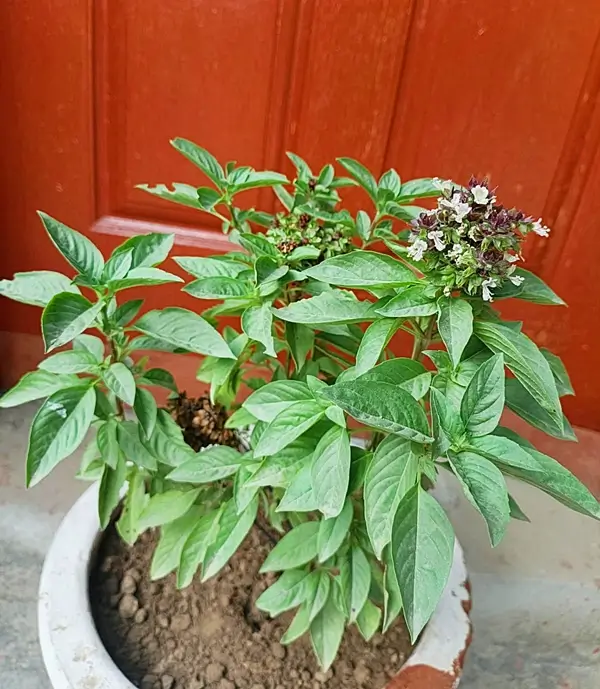
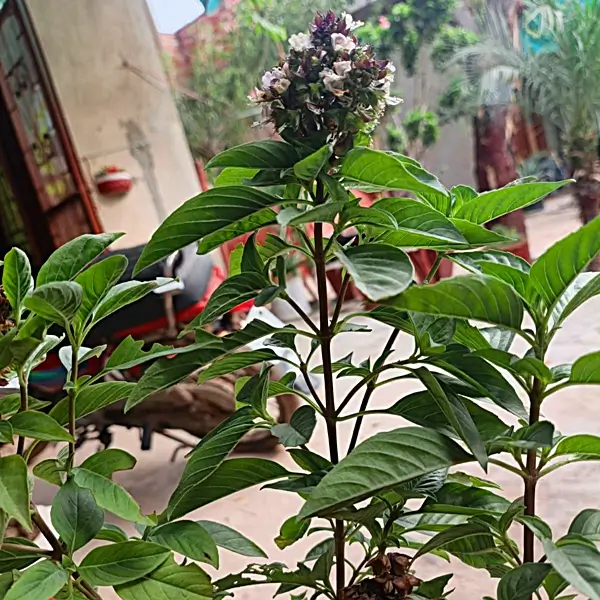
Basil – also known as Ocimum basilicum – is a fragrant culinary herb that originated in Asia & Africa.
Its scientific name comes from Greek okimon (aromatic herb) & basilicum (kingly/royal) – earning it the title “king of herbs.” It is part of mint family & includes more than 150 species – that are enjoyed by gardeners worldwide.
These herbs are loved due to their very pleasant properties & distinctive flavor, which is used extensively in Mediterranean cuisines – especially in Italian foods such as pesto.
Basil is a warm-season herb. A healthy basil plant care guide consists of –
- Plenty of sunlight
- Warm temperatures
- Moist but well-draining soil
- A suitable pot or enough growing space to support strong roots, healthy leaves & steady growth
- Nutrient soil &
- Good air circulation supports healthy foliage & new growth
Understanding these growing techniques is our first care step toward keeping basil lush & beautiful. When these basic basil plant care requirements are balanced, the plant can develop amazing foliage & continue growing well throughout the season.
Best Temperature and Climate Conditions for a Basil
Temperature Requirements for a Basil Plant
It stays active between 50 °F to 85 °F (10 °C to 30 °C) – but it thrives when daily temperatures sit around 70 °F to 80 °F (21 °C to 27 °C).
Which Weather is Best to Grow Basil?
- Warm weather helps basil plants grow lush – but it grows best in mild weather.
- Cold weather ruins the plant fast – so keep your pot protected from the cold.
Best spot to Plant Your Basil for Best Growth
Choosing right spot for basil matters a lot.
- Pick a sunny location in your garden – where your basil plant can get 6 to 8 hours of direct sunlight & stay safe from the cold weather.
- Leave a bit of space between plants so it is airy for free airflow.
Which Soil is best for basil? My Simple Roots’ Care Guide
Basil does best in loose, light dirt & airy soil that has plenty of nutrients without holding extra water.
Heavy mud & standing water can break root growth – so balanced soil is necessary.
Which Nutrients (in Fertilizers) are Good for a Basil?
Basil plant take benefits from balanced nutrition.
- These are nitrogen, phosphorus & potassium.
- On the other hand – calcium & magnesium support strong plant structure and overall growth.
(4 Expert Care Tips) Sun, Soil, & Warmth
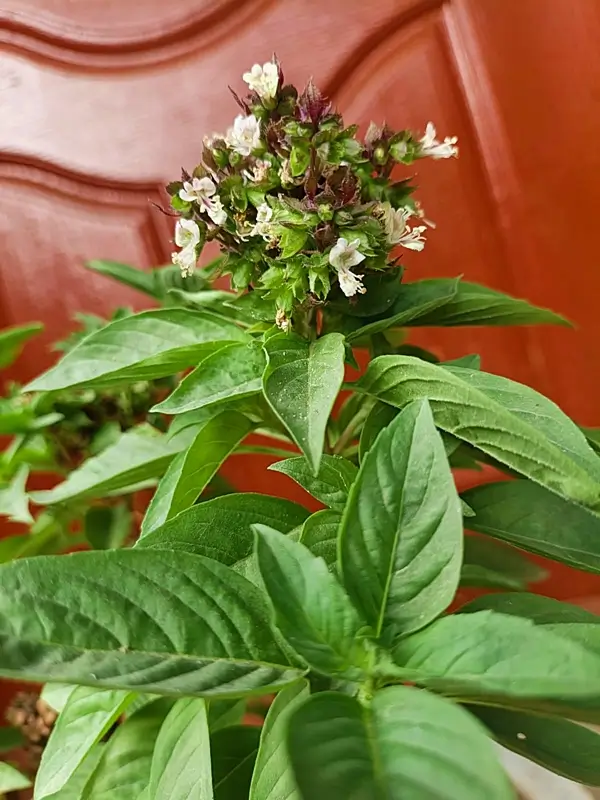
If you want your Basil plant to grow healthy there are four main factors you need to focus on –
1. Best Soil Conditions for a Basil Plant
Healthy basil starts with light & airy dirt that drains well. This plant likes steady soil, while full of water soil can cause root rot.
The soil should have good drainage. Basil likes moisture but too much moisture can create problems for root growth.
My Tip: Organic nutrients can improve your plant’s soil quality & growth.
2. Which PH level is Good for basil?
Basil grows when the pH level is between 6.0 & 7.5.
Keeping soil pH maintained helps a plant take nutrients from the soil.
3. How much Sun does basil need in a Day?
Set your pot – where it gets 6 hours of direct sunlight a day.
If your area gets too hot, block the afternoon sun, as it can damage your plant.
For indoor basil plants, dim light can cause your plant to have weak growth & ultimately death.
4. What is the Best Temperature for a Basil?
Basil lives in warm conditions between 70 °F to 80 °F.
Basil is a heat-loving plant & needs steady warmth to live. Since it hates cold, keep your plants near a heater (not too hot) & safe from cold weather.
3 Pro Watering Tips For Your Basil Plant
Watering is crucial for any plant’s survival. When talking about Basil care, watering is a very important factor.
It prefers moist soil. However, excess water is the cause of plant death. This causes dreaded ‘root rot,’ leaving no room for the roots to breathe, thus killing the entire plant.
Avoid using small pots – as they dry out more quickly & require more frequent watering.
Deep pots retain water longer, reducing watering frequency.
Always Keep In Your Mind
The amount you water highly depends on local weather; dry, hotter regions might need frequently than cooler ones.
1. When to Water Basil? Best Time
Try to water your basil in early morning.
Giving it early watering gives roots enough time to drink up moisture before afternoon hits. It gives leaves time to dry in sun.
It helps to stop fungus, spots & diseases.
2. Finger Test Before Watering
Check the soil first before watering your plant.
- Put your finger one inch into the soil. If you feel the soil is dry, it is time to give it good water.
- If you feel it is moist, please wait another day or two before watering.
3. Water the Soil directly (A Common Mistake Gardeners Make)
Very Important: Pour the water into soil; do not give it to basil leaves.
Wet leaves are a source of pests & buds.
Watering directly in soil can dry foliage & ensure moisture reaches where the plant need most.
3 Easy Tips About Trimming & Pruning Basil
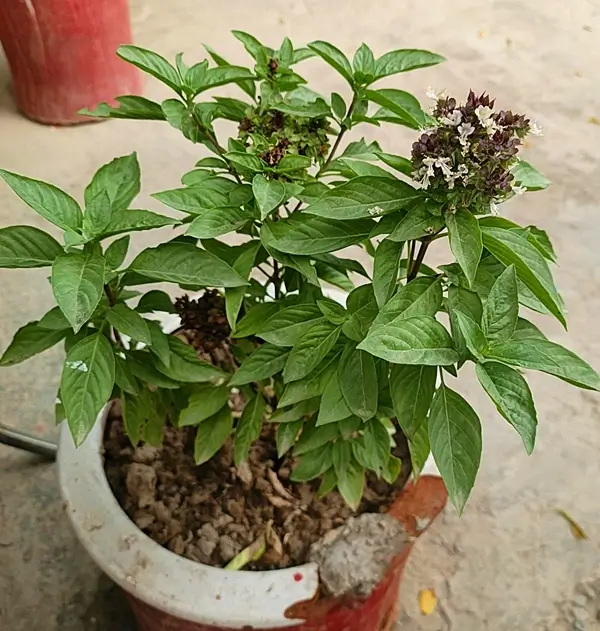
Trim your Basil regularly to grow fuller & full of leaves.
Typically near the top, ensuring rapid growth constant supply of fresh ingredients for the kitchen.
Why is my Basil Bitter in taste?
A good trick to grow basil: trim it when the plant is young & full. If you leave your basil plant, it grows tall & loses all its flavors & produces a bitter taste.
1. Pinch the top leaves frequently
Begin trimming your plant when it is about six inches tall.
- Simply snip off & pinch off the very top set of leaves just above a node where two new leaves grow from the main stems.
- This small cut makes your plant much bushier.
2. Cut back any Flowers immediately
When you notice white or purple flowers start blooming on top of stem – pinch them off.
If you allow plants to grow flowers – it will make your basil plant taste bitter.
Removing flowers helps our plant to send its energy back into growing new leaves.
3. Prune Leaves from the Top Down
From where to cut Basil plants to cook?
If you need basil plants for cooking, always pick leaves from top of plant. Because the bottom leaves capture the sunlight to produce energy & feed your plant.
Taking leaves from the top helps new growth & keeps lower stems stronger.
How to Protect A Basil from Pests & Diseases?
Every healthy basil plant can fall into problems because of garden pests & diseases.
These mostly include:
- Aphids
- Spider mites &
- Slugs
They all love to feed on leaves & cause damage.
If you notice any fungal infection – you should cut affected parts to reduce any risk of further contagion.
Bio-fungicides can be an effective option for managing & reducing basil fungal diseases.
Always keep an eye on your Basil
You have to notice issues on leaves & soil – then you can quickly tackle common problems & keep your Basil healthy.
Protect Basil from Aphids & Spider Mites
Bugs like aphids & spider mites hide under basil leaves & feed on plant sap.
- If you catch them – wash them off with a spray of water.
- If they stick there – use a spray of mild soap on stem.
Downy Mildew & Fungal Growth
Downy mildew is a cause of basil leaves turning yellow & it leaves a dark fuzzy coating.
To keep basil plants safe from any kind of fungus – give them good air & avoid soaking when you water them.
Pinch off Damaged Leaves Promptly
Whenever you notice yellow or diseased leaves on your plant – pinch them off.
Throw them in the trash.
Do not keep them near any plant – because the infection can spread to healthy leaves.
Which Fertilizer is Best for a Basil And How Much?
Basil is not a heavy feeder.
If you give it water and fertilizer at right time, it will boost its growth & make the basil strong.
If you give too much fertilizer, it will harm the natural oils & smell of leaves.
So balance is key. Feeding it right leads to green & flourishing basil.
Vegetable Fertilizer for a Basil
If you add a balanced vegetable fertilizer every 4 to 6 weeks – it ensures a balanced diet & micronutrients for your basil.
When Does A Basil Need Fertilizer?
Watch it closely.
If you notice your basil leaves are yellowing even after regular watering – a sign that the plant needs certain nutrients & it’s time for a fertilizer application.
To get good results with it – there are three main factors you always need to keep in mind –
1. Pick a Gentle Organic Fertilizer
You should use a balanced liquid fertilizer or organic options such as – compost tea or fish emulsion. Liquid organic fertilizers mix smoothly into soil – helping nutrients become more readily available to basil without causing fertilizer burn when used properly.
2. Follow a Balanced Feeding Schedule
You have to feed your potting basil every three to four weeks in spring & summer.
If your basil plant is in full-nutrient garden soil – feed every four to six weeks for best basil plant growth.
3. Avoid Too Much Fertilizing to Protect Basil
Excessive fertilizer makes basil grow fast ruin its natural oils.
If you notice yellow leaf tips or slow growth – stop feeding so it can set naturally.
Basil Care is Simple
Growing and caring for basil at home do not have to be difficult.
With the right sunlight, warm conditions, well-draining soil, proper watering, regular trimming & balanced feeding, you can keep your basil plant healthy & green throughout growing season.
The key is to pay attention to your basil & make small adjustments when needed.
Follow these simple basil plant care tips, protect it from common pests & diseases & prune regularly to enjoy fresh & flavorful basil from your own garden’s houseplants.
Frequently Asked Questions
How to cut basil leaves to start growing?
Cut basil stems above a leaf node - where extra branches start. This will help new branches to develop from that point. Pick off flower buds as they pop up - so plant keeps growing fresh leaves. Cut upper stems daily rather than taking only one leaf from different parts.
How many times do we water a basil plant?
Whenever top inch feels dry after touch. Notice soil regularly - especially in hot weather. Give it water until it drips out bottom - but do not let the soil remain soggy.
How to keep a basil plant alive?
Protect basil from cold wind. Prune plant for fresh growth & remove yellow leaves. Keep an eye on pests like aphids, spider mites & slugs & wash them early with neem oil.
How to care for a potted basil plant?
Select a deep pot with good drainage holes & well-draining soil. Check plant daily & give a balanced fertilizer every 4 to 6 weeks. If some leaves turn yellow - check soil before adding any food.