
Key Takeaways
Growing healthy basil is easier-if you want to learn how to grow basil, understand what it actually needs.
In this article, you will learn how to grow basil with the most essential care steps in a very simple & easy way.
We will discuss how to care for a basil plant & common problems while growing basil, & my practical techniques that can help you grow basil at home easily.
| What You’ll Learn | How It Helps Your Basil |
| Introduction to Basil | Explores basil’s origin, health benefits & popular varieties like Sweet, Genovese, Thai & Holy Basil. |
| Seed Germination & Planting | Indoor vs. outdoor seeding & ideal soil mix, 1/4-inch sowing depth & 7–14-day germination. |
| Growing Conditions | Care requirements: 6–8 hours of direct light & balanced watering & organic feeding. |
| Indoor vs. Outdoor Cultivation | Guides setup for windowsills & raised beds while highlighting companion planting benefits. |
| Pruning & Maintenance | Techniques to stop bitter leaf flavor & produce a bushy plant. |
| Pest & Disease Methods | Organic treatments (Neem oil & insecticidal soaps) for diseases like Fusarium wilt & common pests. |
| Harvesting & Freezing Techniques | Morning harvesting routines & long-term storage methods like freezing in oil or drying leaves. |
What is Basil & the Basic Care Needs of the King of Herbs?
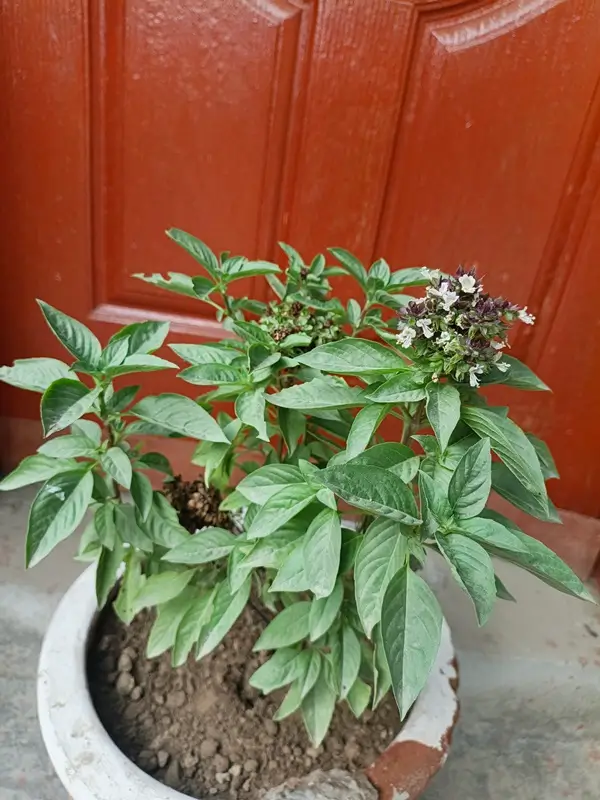
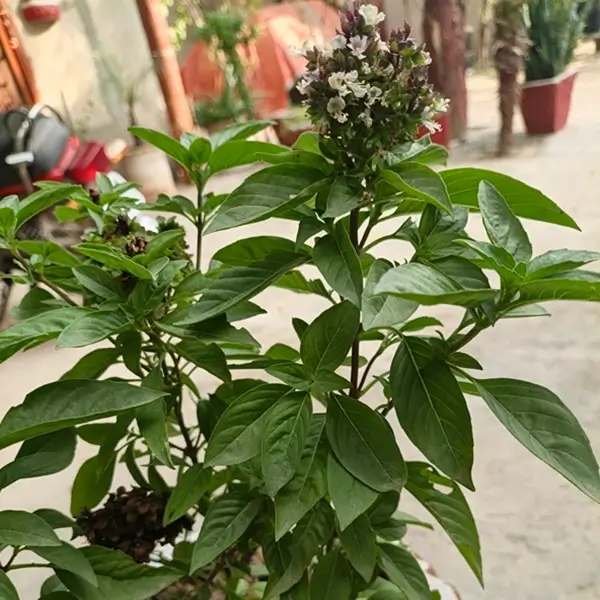
Basil – also known as (Ocimum basilicum) – is a fragrant culinary herb that originated in Asia & Africa.
Its scientific name comes from Greek okimon (aromatic herb) & basilicum (kingly/royal) – earning it the title “king of herbs.” It is part of mint family & includes more than 150 species – that are enjoyed by gardeners worldwide.
These herbs are loved due to their very pleasant properties & distinctive flavor, which is used extensively in Mediterranean cuisines – especially in Italian foods such as pesto. Basil is a warm-season herb. A healthy basil plant care guide consists of –
- Plenty of sunlight
- Warm temperatures
- Moist but well-draining soil
- A suitable pot or enough growing space to support strong roots, healthy leaves & steady growth
- Nutrient soil &
- Good air circulation supports healthy foliage & new growth
Understanding these growing techniques is our first care step toward keeping basil lush & beautiful. When these basic basil plant care requirements are balanced, the plant can develop amazing foliage & continue growing well throughout the season.
Before sowing your first basil seed, it is helpful to know that not all basil varieties perform same way in a garden setting
- Sweet Basil & Genovese Basil: Standard choices for classic cooking, featuring large, cupped leaves with a balanced flavor.
- Thai Basil: Recognized by its purple stems & sturdy foliage, offering a licorice flavor profile suited for high-heat cooking.
- Holy Basil (Tulsi): Famous for its medicinal properties, e.g herbal tea applications & distinct earthy aroma.
- Purple Basil: Adds color contrast to garden beds & serves as a vibrant garnish for summer salads.
1. Health Benefits of Growing Fresh Basil
Growing your own basil gives you direct access to fresh plants full of natural plant compounds.
Freshly harvested basil leaves have essential nutrients-such as Vitamin K, Vitamin A & manganese.
Oils present in basil—including eugenol & linalool—act as a source of powerful antioxidants. Fresh leaves in daily meals help fight oxidative stress, support healthy digestion & promote overall wellness.
2. Life Cycle & Growth Habits: How to grow basil successfully
Basil completes its natural life cycle within a single warm growing season.
Seeds typically germinate within a week to ten days under warm weather, & quickly transition into a rapid growth phase.
Basil plants will eventually produce small white & purple flowers, which signal the final reproductive stage.
Active harvesting prevents early seed production & keeps the plant in a vegetative state longer to yield flavorful leaves.
Seed Development & Planting Phase
In key steps, how to grow basil strong starts with understanding how its seeds react to warmth, light & soil moisture.
Whether you plan to grow your herbs indoors or plant them directly into an outdoor garden, proper germination techniques are foundation for healthy root structures & lush leaf production.
Basil seeds require high soil temperatures, & making careful attention to moisture levels & soil structure is essential during early stages of planting.
If you follow planting procedures- you can avoid common growth problems, e.g., fungal infections or stunted roots.
Knowing when & how to transition your seeds into full soil environments makes a difference in total plant yield throughout the growing season.
1. What are Starting Methods for Indoor vs Outdoor Seeds?
Selection of place for basil seeds depends heavily on your climate & season.
Indoor Seeds: Seed basil indoors 6 to 8 weeks before last spring frost & use seed trays or small pots.
This method gives plants a temperature-controlled environment, & ready for when outdoor temperatures warm up.
Direct Outdoor: Plant your basil seeds directly into garden or permanent containers only when temperatures are above 50°F (10°C).
Direct sowing allows root systems to grow without stress & slightly longer in variable outdoor conditions.
How to Prepare Ideal Soil & Planting Depth?
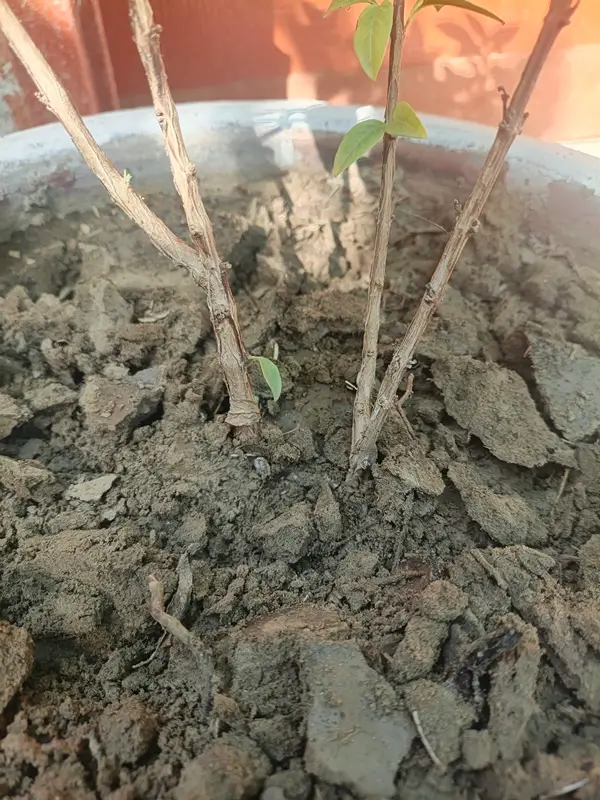
Basil thrives best in loose, organic-rich soil that drains water quickly.
Hard garden soil can compact around young roots & slow down growth or cause root rot.
To prepare a good growing medium & mix equal parts potting soil & perlite or vermiculite.
Seed at a depth of 1/4 inch into moist soil. If you plant seeds too deep, it prevents sunlight, while planting too shallow causes seeds to dry out before roots grow.
1. Moisture Care & 7–14 Day Sprouting Period
Under warm conditions (70°F–80°F / 21°C–27°C)-basil seeds typically sprout within 7 to 14 days.
Moisture Care: Keep plant soil damp, using a spray bottle & bottom-watering tray for care. Do not dry topsoil completely & avoid heavy watering, which can wash seeds away or leave soil soggy.
Humidity: Covering seed trays with a plastic wrap helps retain moisture & heat.
Remove cover immediately once first green seedlings break soil surface to ensure adequate air circulation & light exposure.
3 Best Conditions to Grow Basil: Sunlight, Water & Temperature
Needs: The right environmental setup is secret to getting thick & dark green leaves from your basil plants
.It requires specific light exposure, warm temperatures & balanced soil moisture.
With fine light levels, temperature& watering schedules, you recreate plants natural environment.
This encourages rapid leaf development & boosts essential oil production – giving your harvest that rich & distinct aromatic flavor.
1. Sunlight Requirements for Healthy Basil Plant
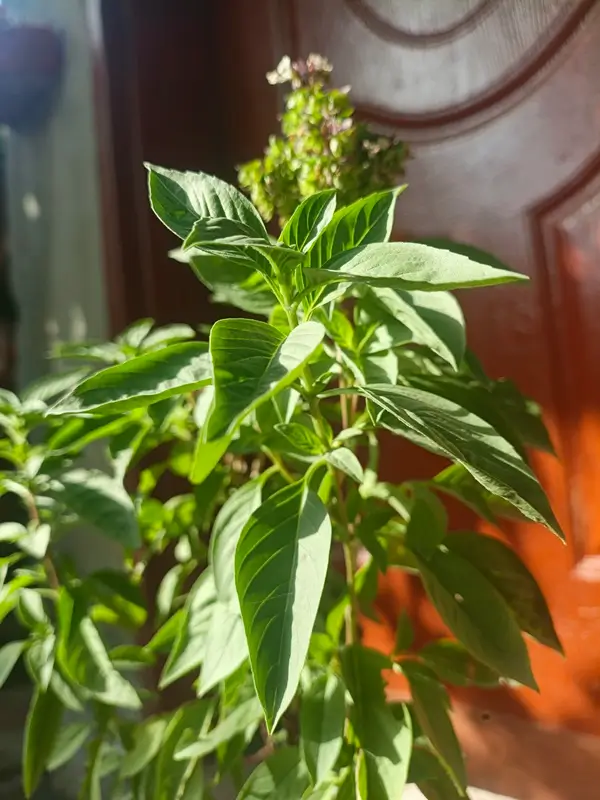
GrowthBasil – scientifically known as Ocimum basilicum , a fragrant culinary herb that originated in Asia & Africa.
According to botanists, basil is classified as a (full-sun) plant. Tag simply means that for optimal growth & health, a basil plant requires at least six hours of direct sunlight.
Basil plants need direct sunlight to thrive, produce lush leaves & maintain growth.
Understanding their light needs ensures strong stems & essential oil production for rich flavor.
2. Best Temperature Requirements to Grow Basil
It stays active between 50 °F & 85 °F (10 °C to 30 °C) – but it thrives when daily temperatures sit around 70 °F to 80 °F (21 °C to 27 °C).
Which Weather is Best to Grow Basil?
- Warm weather helps basil plants grow lush – but it grows best in mild weather.
- Cold weather ruins the plant fast – so keep your pot protected from the cold.
Mastering Watering Techniques for Basil Plants
Basil loves hydration & finding right spot. This plant requires close attention to what your plant & soil are telling you.
How often to water basil plants depends on checking top inch of soil—if it feels fully dry after touch, it is time for a watering.
Things like watering basil in pots in summer & small container sizes will speed up evaporation.
In cooler weather or indoor environments mean your basil plant care routine can shift to every few days.
Understanding early signs basil needs water helps you respond before stress damages & ensuring your herbs remain healthy & full of flavor.
In cooler weather or indoor environments – your basil plant care routine can naturally shift to watering once every few days.
Establishing a good observation routine keeps soil moisture & balanced throughout all stages of growth.
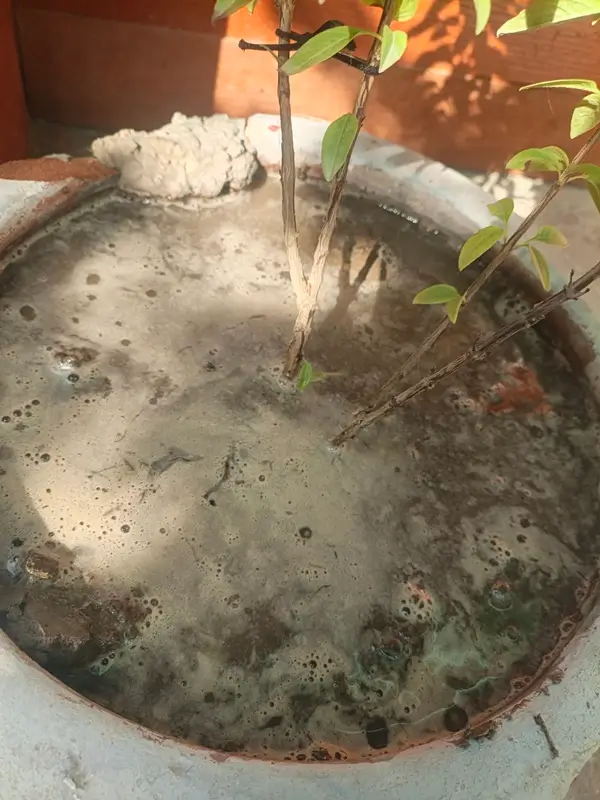
Organic Soil Nutrition & Fertilizing for Basil
Apply a balanced, water-soluble organic fertilizer or compost tea every 2 to 3 weeks during active spring & summer growing season for foliage production.
Best Setup for Your Garden
Deciding whether to grow basil indoors or outdoors in garden beds comes down to your available climate & personal gardening goals.
Both growing methods offer unique advantages for fresh herb production.
Outdoor growing gives your plants unrestricted root space & intense sunlight, resulting in faster growth.
Indoor cultivation provides year-round climate protection & shields your herbs from extreme weather.
Understanding the specific care techniques for both environments helps you growth best plant.
1. 3 Easy Techniques for Growing Basil Indoors
Cultivating basil inside your home allows for easy kitchen access & fresh harvests through every season
- Container Selection: Choose pots with good drainage holes at bottom to prevent extra water. Terra cotta or terracotta-style pots are good because they allow moisture to evaporate.
- Air Circulation: Indoor air can create conditions for fungal growth. Place a small fan nearby or open a window to set air movement.
- Hydroponic Setup: Basil adapts well to small indoor systems_yielding leaf growth without soil pests.
2. 3 Easy Techniques for Outdoor Basil
Planting directly into an outdoor garden unleashes basil’s full growth during the warm season
- Raised Bed Advantages: Raised beds offer soil drainage & warm up faster in early spring than ground soil, giving your basil plants a growth boost.
- Soil Preparation: Mix compost into soil before planting_to improve structure & provide slow-release nutrients.
- Spacing Requirements: Space individual basil plants 12 to 18 inches apart. Adequate spacing ensures sunlight reaches lower stems & keeps air flowing between foliage to reduce leaf rot.
3. What are 3 Planting Strategies with Tomatoes, Peppers & Marigolds?
Integrating basil into a diverse outdoor garden bed unlocks natural protective benefits for nearby crops:
- Tomato & Pepper: Planting basil with tomatoes & sweet peppers is a classic gardening technique. Basil attracts beneficial pollinators & repels common insect pests like hornworms, thrips & aphids.
- Marigold Integration: French marigolds planted around your basil bed release natural root compounds that deter harmful soil.
- Plants to Avoid: Keep basil separated from plants like rue & fennel_as their root secretions can stunt basil growth.
Pruning, Pinching & Maintenance of Basil
Learning how to prune basil regularly is the real secret to keeping your plants healthy & Bushy full in warm season.
If grown without care, a basil plant quickly develops a single tall stem & rushes to produce flowers.
This natural flowering process stops leaf production & turns leaves bitter.
Applying simple basil plant maintenance techniques from seed production & back into growing.
1. Art of Pinching Technique
Understanding pinching back basil is a simple pruning method that doubles your overall leaf.
You should begin trimming young plants as soon as they reach six inches in height & develop three to four sets of leaf nodes.
To cut properly _ locate a central stem node & snip off top section directly above a pair of leaves.
Removing this central tip stops vertical growth & forces plant to branch into two new stems make plant into a bushy basil plant.
2. Flowering & Preserving Leaf Flavor
When herbs experience high summer heat_they attempt to produce flowers – a process known as basil bolting.
Once flower buds develop, plant diverts its vital nutrients, causing leaves to become thin & bitter.
To protect leaf flavor & prevent basil flowering, check your garden weekly & pinch off any small flowers.
Removing these buds keeps essential oils balanced & preserves that sweet & peppery taste.
3. What is a Growth Routine for Bushy Basil?
A regular basil harvesting routine supports continuous leaf production.
Plan to harvest or lightly trim your plant every one to two weeks.
These regular trims clear away any yellowing lower leaves near soil to improve airflow & reduce fungal diseases.
Regular trimming strengthens lower stems & supports heavy foliage without bending or snapping.
How to Protect Basil Against Pests & Diseases
Basil pest control & disease management practices protect your plants from damage.
Basil is naturally high humidity & crowded stems create ideal conditions for pests & fungal pathogens to thrive.
Apply organic garden pest control solutions before common issues reduce your overall leaf yield.
1. What are Common Garden Pests for Basil?
Insects like aphids, spider mites & whiteflies target tender green plants to feed on plant sap.
Knocking small insects off stems with a strong spray of water offers an immediate solution.
Applying an organic neem oil spray & natural soap stops insect breeding.
2. Fungal Diseases: Fusarium Wilt & Downy Mildew
Fungal threats are a major risk to plant health – with basil downy mildew is most destructive disease.
Fusarium wilt causes sudden stem drooping & brown streaks along main stalks_while downy mildew creates yellow spots on top of leaves.
Fungal in wet conditions – avoiding overhead watering & keeping plant completely dry is your best defense against serious leaf damage.
Harvesting & Storage Method for Fresh Basil
If you know how to harvest basil your plant will produce fresh leaves all season.
Proper timing & cutting techniques protect stems from damage & support fast regrowth in warm season.
Basil storage methods allow you to preserve your home-grown herb yield long after outdoor growing season ends.
1. Optimal Harvest Time & Picking Practices
Best time for harvesting fresh basil is early in morning after morning.
Picking in the morning preserves high concentrations of essential oils & flavor.
Always select stems from top sections of plant.
Stem-cutting encourages plant to branch out into two new stems & long-term leaf production.
2. What are Short-Term Storage Solutions for Kitchen Use?
If you plan to use your fresh harvest within a few days, storing fresh harvested basil at room temperature works much better than placing it in a cold refrigerator.
Cold temperatures inside refrigerators cause tender green leaves to turn black & lose flavor quickly.
Trim bottom ends of harvested stems & place them in a glass jar with an inch of water – treating them like cut flowers on your kitchen counter.
3. What are Long-Term Preservation Methods like Freezing?
For long-term preservation freezing fresh basil retains significantly more flavor & green color compared to traditional air drying.
To freeze your harvest_chop clean leaves finely & mix them with a small amount of extra virgin olive oil & pour mixture into ice cube trays.
Once frozen solid transfer herb cubes into an airtight freezer bag for easy use in winter soups & pestos.
Drying basil leaves in a warm room provides a shelf-stable option drying slightly reduces aromatic essential oils compared to oil-freezing methods.
Frequently Asked Questions
What is the trick to growing basil?
Real secret to growing healthy basil comes down to three essential factors abundant direct sunlight, warm temperatures & consistent pinching back of basil stems. Basil requires at least six to eight hours of full sunlight daily & warm soil to thrive. To achieve a bushy basil plant - main trick is to snip off top center stem directly above a pair of leaf nodes as soon as plant reaches six inches in height. This simple pruning technique stops tall leggy growth & forces plant to double its branches & yielding double foliage for continuous kitchen harvests.
What are common mistakes that harm basil plants?
Most common mistakes when providing basil plant care are overwatering - cold exposure & neglecting to trim flower buds. Overwatering leads to saturated roots & severe basil diseases like root rot & fungal wilt. Additionally, exposing tender leaves to temperatures below 50°F (10°C) turns foliage black & stunts plant growth. Another major error is allowing plant to flower once basil bolting occurs leaves become tough, thin & bitter. Avoiding these mistakes ensures your plants stay vibrant & sweet throughout warm season.
How do you cut basil so it keeps growing?
To learn how to harvest basil correctly without harming plant always use sharp & clean shears to snip stems just above a pair of leaves rather than pulling off individual foliage by hand. Cut central top stems regularly to encourage branching from nodes below. Leaving at least two to three sets of leaves on plant ensures it retains enough energy for fast regrowth. Following this basil harvesting routine keeps your plant in an active vegetative state, allowing it to produce fresh & aromatic leaves every one to two weeks.
Can I plant supermarket basil outside?
Yes, you can plant supermarket basil outside but it requires a quick separation process & gradual acclimatization. Supermarket pot herbs are usually overcrowded with dozens of tiny seedlings crammed into a single small pot - competing heavily for nutrients. To succeed gently separate individual stems into separate pots & place them in a loose soil mix for basil & transition them outdoors slowly over a few days so they adapt to direct sunlight & wind. Once acclimated supermarket transplants will grow into large & productive garden bushes.