
Key Takeaways
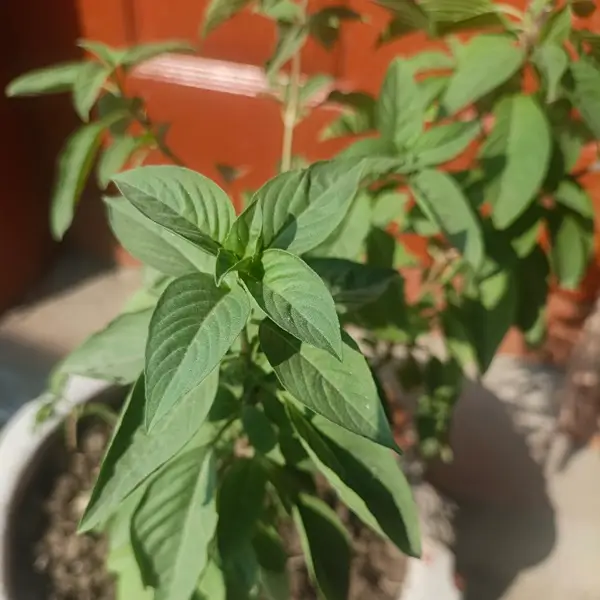
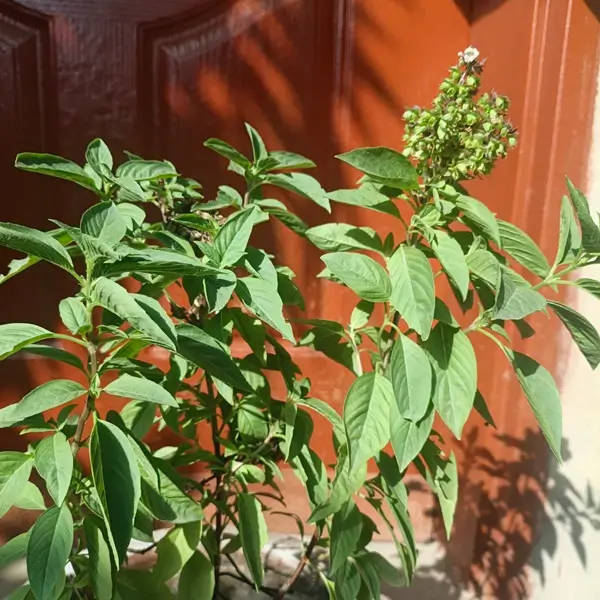
Many pet parents often ask, “Can dogs eat basil?” The short answer is yes! When introducing any fresh herb to your dog’s meal plan, understanding whether can dogs eat basil safely without any hidden risks is essential for their health & digestion.
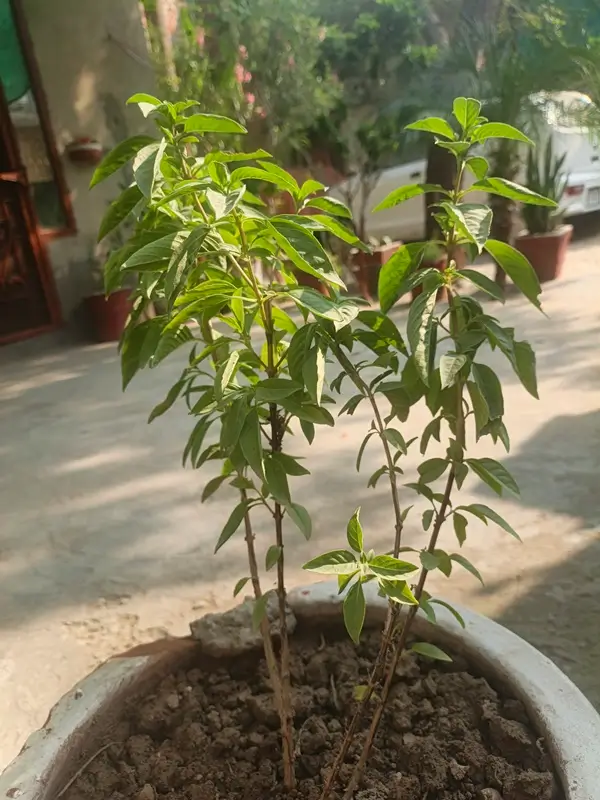
Can Dogs Eat Basil?
Nutritional Benefits of Basil Leaves
Fresh basil leaves have a good amount of vitamins, minerals & plant compounds.
Dogs thrive on balanced proteins, nutrition, cellular repair & strengthening long-term health.
Understanding the exact biological mechanics behind these green leaves allows dog owners to enhance their pet’s diet safely & effectively.
1. 5 Key Vitamins & Minerals for Dogs
-
Vitamin K: Helps activate blood proteins, improves mineral absorption, & ensures recovery from injuries.
-
Vitamin A: Necessary for retinal function, sharp night vision, cellular growth & maintains a shiny coat.
-
Vitamin C: Helps neutralize damaging free radicals & slows cognitive decline in aging dogs.
-
Calcium & Magnesium: Work to build strong structures, prevent muscle & maintain steady cardiac rhythm.
-
Iron & Potassium: Good for red blood cell production, balanced metabolic function & hydration levels.
2. 4 Benefits of Antioxidant & Anti-Inflammatory Properties
-
Cellular Defense: Bioactive compounds help to support health for the long.
-
Joint Relief: Natural essential oils eugenol, linalool & citronellol reduce pain in joints.
-
Stress Support: Basil is an adaptogen helping regulate stress hormones & promoting calm during environmental changes.
-
Immune System: Natural antimicrobial properties help fight harmful bacteria & support gut health.
3. Fresh Basil & Other Safe Herbs
-
Fresh Basil: Highest in eugenol & adaptogenic properties – excellent for anti-inflammatory support & soothing digestive upset.
-
Parsley: Rich in Vitamin C & chlorophyll – exceptional for breath freshening & urinary tract health.
-
Oregano: High in antioxidants – requires extreme portion control can irritate stomach lining.
-
Dill: Gentle on delicate stomachs – excellent for relieving gas, flatulence & mild canine indigestion.
4. 3 Ways Basil Nutrients Support Different Life Stages
-
Puppies: Supports developing bone structure & early immunity.
-
Adult Dogs: Sets high energy levels, promotes health & helps digestion during meal changes.
-
Senior Dogs: Helps with joint stiffness & reduces inflammation caused by aging.
How to Serve Basil to Your Dog?
Basil offers anti-inflammatory & cellular benefits; a dog’s gastrointestinal tract is short, highly acidic & optimized primarily for plant cell walls.
Feeding excessive quantities of raw leaves can easily overwhelm your pet’s digestive capacity cause of leading to acute stomach distress, gas & vomiting.
1. Daily Portion Limits Based on Weight
The fundamental rule for feeding herbs to dogs is 10% of their total daily caloric intake.
-
Toy & Small Breeds: A pinch of finely minced fresh basil leaf (roughly 1/4 teaspoon).
-
Medium Breeds: Half a spoon of fresh basil leaves finely chopped (roughly 1/2 teaspoon).
-
Large & Giant Breeds: One spoon of fresh basil leaves finely chopped (roughly 1 teaspoon).
If you are using dried basil instead of fresh leaves, remember that dehydrated herbs are more concentrated in essential oils & flavor.
2. 4 Step Preparation Guide
Properly preparing basil leaves makes plant material easier for your dog’s stomach to process:
-
Thorough Washing: Wash your Basil under cold running water before serving.
-
Remove Woody Stems: Thick basil stems contain dense cellulose fibers, which are harmful for smaller dogs & are difficult to digest. Strip tender leaves away & discard stems.
-
Finely Chop or Puree: Finely chopping & blending leaves breaks down tough plant cell walls & allows optimal nutrient absorption.
-
Gradual Introduction: Monitor your dog’s stool consistency & watch for any signs of allergic reactions – such as excessive scratching or hives.
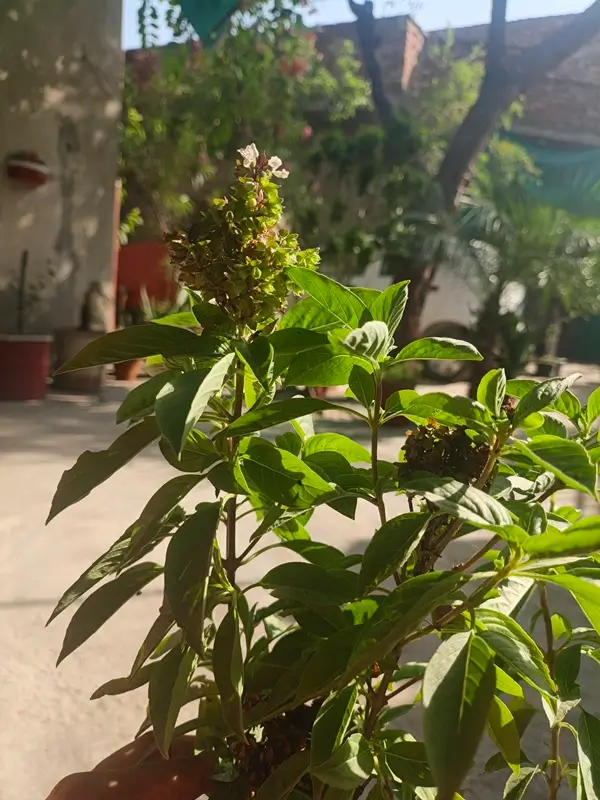
3. What Happens If Your Dog Eats Extra Basil?
If your dog eats a large quantity of basil leaves by mistake do not panic.
Because basil is officially non-toxic, it will not cause organ damage.
Large amounts of raw greenery will be harmful for gastrointestinal irritation.
Give your dog fresh water & temporarily withhold food for a few hours to let their stomach settle & consult your veterinarian if vomiting & diarrhea last longer than 24 hours.
Why Pesto & Basil Sauces are Dangerous for Dogs?
Pesto sauce poses severe & immediate toxic hazards to canines.
Many pet parents mistakenly assume that because fresh basil is safe & store bought pesto sauce is equally harmless.
Understanding these dangers is essential for keeping your kitchen completely pet-safe.
1. 3 Toxic Ingredients Hidden in Pesto Sauces
Traditional pesto recipes rely on a mix of ingredients that are dangerous for dogs:
-
Garlic & Onions: Allium species contain organosulfides that destroy a dog’s red blood cells, leading to oxidative damage & hemolytic anemia.
-
Pine Nuts: Pesto relies heavily on pine nuts causing neurological symptoms, hyperthermia, weakness & tremors.
-
Heavy Cooking Oils & High Sodium: Pesto is packed with extra virgin olive oil or vegetable oils, high salt levels cause a painful inflammation of pancreas—while high sodium levels cause excessive thirst, dehydration & kidney strain.
2. 3 Symptoms of Garlic Toxicity & Pancreatitis
If your dog accidentally ingests pesto sauce, monitor them closely for the following signs over 24 – 72 hours:
-
Digestive Irritation: Severe vomiting, diarrhea, bloating, & excessive drooling.
-
Signs of Pancreatitis: Hunched back position, refusal to eat & fever.
-
Signs of Anemia: Pale or yellowish gums, weakness, dark red or orange urine & panting.
3. 3 Safe Homemade Alternatives for Dog Meals
You can easily create a safe “green topper” at home without using toxic ingredients:
-
Pureed: Blend washed fresh basil leaves with plain & sodium-free bone broth.
-
Veggie Puree: Mix fresh basil with pureed pumpkin & steamed zucchini.
-
Herbal Yogurt Mix: Stir minced fresh basil into plain, unsweetened & Greek yogurt for a rich treat.
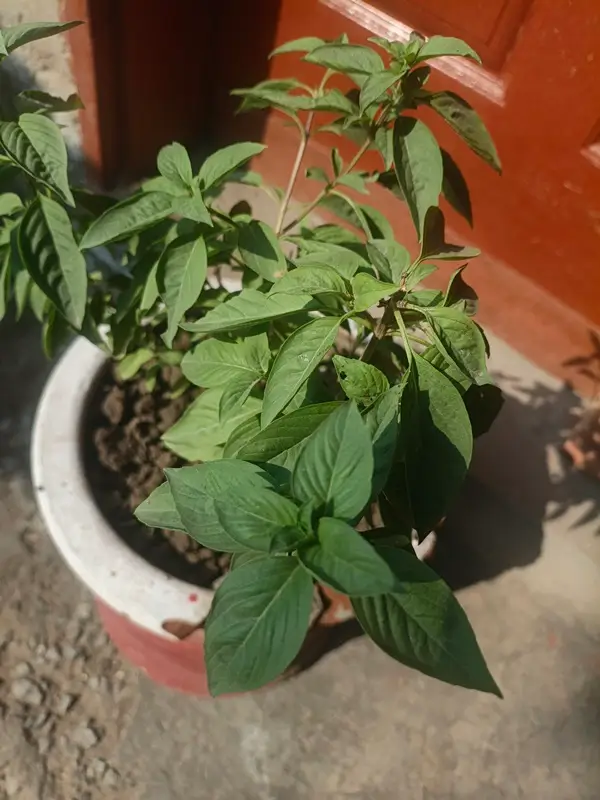
Safe Ways to Serve Basil to Your Dog
If you add fresh herbs directly to food not only boosts nutrition but also introduces unique aromas & flavors that stimulate your dog during mealtime.
1. 4 Easy Homemade Basil Treat Recipes for Dogs
-
Fresh Herb Meal Topper: Wash fresh basil leaves, mince them finely & sprinkle them directly over your dog’s standard balanced wet food.
-
Frozen Cubes: Blend fresh basil leaves with plain & low-sodium bone broth. Add mixture to ice trays & freeze. These make refreshing summer treats.
-
Probiotic Basil & Yogurt Puree: Mix chopped fresh basil with plain yogurt. Stir well & offer a small spoon as a cooling reward.
-
Gently Steamed Basil Mix: For dogs with sensitive digestive tracts – steam fresh basil leaves for 20 seconds to soften them into cooked meals like chicken & pumpkin puree.
2. 3 Important Cautions Every Owner Should Know
When giving basil to your dog keep these safety tips in mind:
-
Never Use Store-Bought Blends: Packaged Italian herb mixes often contain dehydrated garlic powder, onion powder & high levels of salt which are not good for dogs.
-
Watch for Stem Choking Hazards: Always remove thick & woody stems. Stems are hard to chew, difficult to digest & can become a choking hazard for dogs.
-
Avoid Cooking in Butter or Excessive Oils: If you are adding basil to cooked meals avoid sautéing herbs in butter & heavy vegetable oils which can cause severe stomach upset.
Summary & Final Thoughts
Fresh basil is a fantastic & naturally safe herb that offers a range of anti-inflammatory, antioxidant & digestive perks for dogs.
When served clean, plain & in strict moderation based on your pet’s size – it serves as a nutrient-dense topper.
Avoid store-bought sauces like pesto that have toxic ingredients like garlic & nuts.
Plant nutrient-rich herbs in your household routine is a fantastic step for pet care.
For safety, indoor plants can help keep your home healthy for pets.
Frequently Asked Questions
Which herbs are not good for dogs?
Herbs that belong to Allium family are toxic to dogs including garlic, onions & leeks. They contain compounds that cause oxidative damage to red blood cells - leading to anemia. Other herbs to avoid or treat with extreme caution include pennyroyal mint, cocoa, tarragon, oregano in excess & hops.
What herbs are really good for dogs?
Several herbs offer health benefits plain & in small amounts. Basil is Rich in antioxidants & bioactive compounds that support cell repair & reduce inflammation. Parsley is packed with vitamins A & C - helps freshen breath & supports urinary health. Rosemary provides strong anti inflammatory properties & acts as a preservative. Dill is gentle on a delicate stomach - aids digestion & reduces gas. Thyme offers antibacterial & respiratory support
What is most toxic plant to dogs?
Sago Palm is widely considered one of the absolute most dangerous plants to dogs. Every part of plant is poisonous - but seeds are particularly concentrated with cycasin. Ingestion can be harmful & leading to liver failure within days & carries a high mortality rate without rapid emergency veterinary care. Other top outdoor plants include Oleander, Foxglove & Castor Bean.
What words do dogs hear best?
Dogs respond best to short energetic words with sharp consonant sounds like Sit Come or Treat High pitched tones and words ending in a long vowel sound like Lucky or Daisy are much easier for them to recognize & process quickly.