
Key Takeaways
| What You Will Learn | How It Helps Your Cat |
| Is Basil Safe for Cats or Not? | Understanding: Is basil toxic to cats in fresh or dried forms? Helps pet owners make safe choices. |
| Good Stuff in Basil | A look at the basil benefits for your pet. |
| Signs of Trouble | Understand an upset stomach & bad reactions if your cat overeats. |
| Essential Oils vs. Real Leaves | Discover why basil oils are risky & raw leaves are fine. |
| Safe herbs for cat | Learn safe herb options like catnip, cat grass & valerian root. |
What is Basil: An Overview
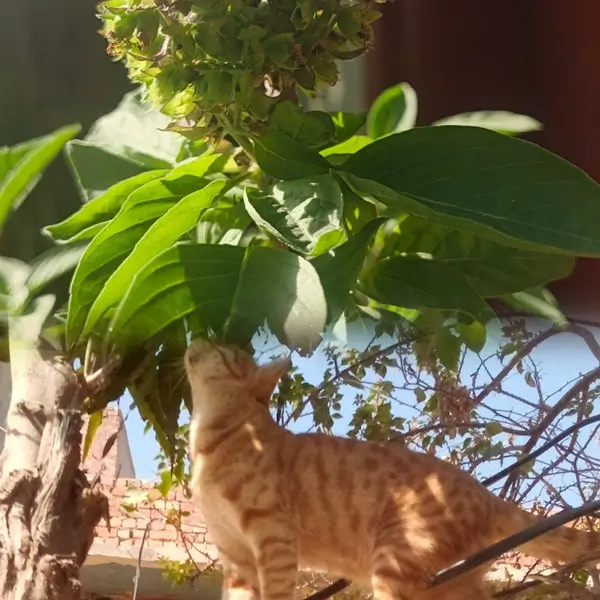
Many pet owners wonder: Is basil toxic to cats before growing fresh herbs at home?
Basil—also known as Ocimum basilicum —is a fragrant culinary herb that originated in Asia & Africa.
Its scientific name comes from Greek okimon (aromatic herb) & basilicum (kingly/royal) – earning it the title “king of herbs.” It is part of mint family & includes more than 150 species – that are enjoyed by gardeners worldwide.
These herbs are loved due to their very pleasant properties & distinctive flavor, which is used extensively in Mediterranean cuisines – especially in Italian foods such as pesto.
Few studies explore attributes, especially when concerning whether domestic animals like cats may react adversely to exposure to this plant substance.
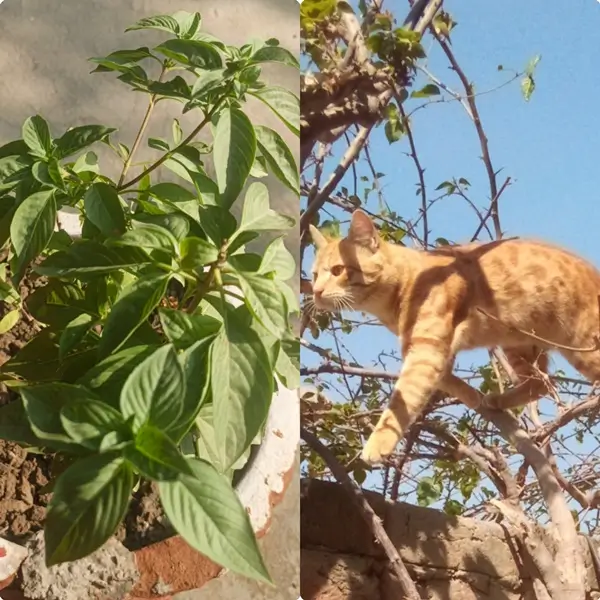
Is Basil Safe for Cats or Not?
According to pet safety measures from ASPCA Animal Poison Control Center, fresh basil is non toxic to cats.
Basil known as Ocimum basilicum sweet basil does not have active compounds that damage cat organs.
If your cat accidentally eats fresh leaves from your kitchen counter or garden it will not cause severe poisoning.
Basil is completely safe for your cat, depending on form & quantity consumed.
Here are the key points you need to know about basil safety:
-
Is it safe? Yes fresh basil leaves are not toxic to cats.
-
Stomach upset: Eating an excessive amount of basil can cause stomach trouble & bad digesting.
-
Avoid Essential Oil: Basil oils are not good for your pet.
Understanding is basil toxic to cats helps pet owners make safe choices when growing fresh herbs in kitchen gardens.
1. Can Cats Eat Fresh Basil?
Cats can eat fresh basil leaves in tiny amount. While many ask is basil toxic to cats, feeding small pieces of fresh leaves is generally harmless for felines.
-
Felines are naturally drawn to aromatic greens in gardens – as explained by Cornell University College of Veterinary Medicine.
-
Cats’ bodies are not designed to process large amounts of raw plant fiber.
-
A small single bite of raw basil leaf is not dangerous harm your pet.
2. What Happens If a Cat eat excessive amount of Basil?
If your cat eats too much basil it can cause stomach trouble.
-
Enzyme Deficiency: Cats do not have enough digestive enzymes required to digest food.
-
Common Symptoms: According to clinical veterinary guidelines – eating too much non-toxic foliage usually causes vomiting, loose stools & brief loss of appetite.
-
Portion Control: Keep green treats extremely small to ensure your pet stays comfortable & healthy.
3. Is Basil Toxic to Cats When Used as Essential Oil?
Raw leaves are mild & safe but basil essential oils present a genuine danger to cats.
High Concentration
Essential oils have organic compounds & phenols that livers struggle to process.
Organ Strain
Research published via National Center for Biotechnology Information highlights how concentrated plant extract ingestion can lead to severe organ strain & toxic reactions.
Safety First
Always keep essential oil bottles & concentrated extracts far out of your cat’s reach.
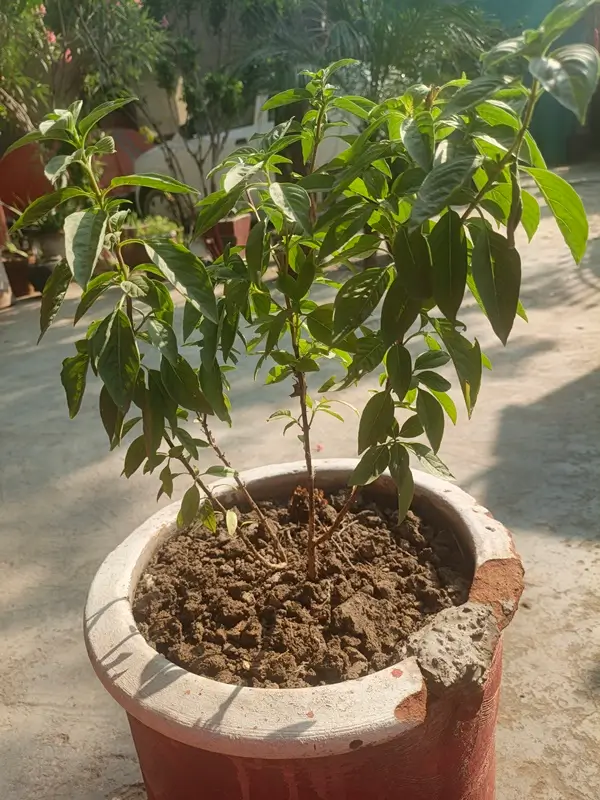
3 Health Benefits: What Fresh Basil Offers Your Cat
Cats primarily thrive on meat – fresh basil leaves contain natural nutrients that can provide botanical value when consumed in strict moderation.
1. (4) Essential Vitamins & Antioxidants in Fresh Basil
Fresh basil leaves have natural compounds that support cellular wellness in small living organisms.
-
Vitamin K for Blood Health: Basil is high in Vitamin K – which supports healthy blood clotting mechanisms.
-
Cellular Protection: Fresh basil helps neutralize free radicals & reduce stress within body cells.
-
Immune & Vision Support: Vitamin A and Vitamin C in fresh leaves aid in maintaining healthy skin integrity & basic immune defenses.
-
Plant Minerals: Fresh basil contains levels of manganese, iron & calcium cats absorb these from balanced animal-based diets.
2. Mild Anti-Inflammatory & Digestive Support Properties
Botanical structure of the basil plant offers natural soothing qualities that benefit general digestive.
-
Fresh basil contains natural essential oils, e.g eugenol have mild anti-inflammatory properties that support healthy tissue balance.
-
Composed mostly of water & chewing on fresh herbs can offer a tiny boost of hydration to felines during warm days.
-
Raw plant fiber can assist in gentle bowel movements – as noted in veterinary guides on PetMD.
-
Basil’s aroma can act as sensory enrichment for indoor cats seeking new smells in their environment.
3. How to Safely Serve Small Amounts of Basil to Cats
If you want to allow your pet to taste fresh basil – following safety rules will help you enjoy it without any stomach upset.
- Limit any serving to a single tiny leaf or sprinkle of finely chopped raw basil once in a rare while.
- Always wash fresh basil with clean water before offering it.
- Never give basil that has been cooked with garlic, onions, butter & heavy cooking oils they are toxic for your pet.
- The very first time – observe your pet after trying fresh basil to ensure they do not face food sensitivities or allergic reactions.
(3) Symptoms of Basil Intolerance in Cats
Eating too much basil can cause stress in your cat’s digestive.
Mastering early signs of stomach trouble allows you to react quickly & safe your pet.
If you are concerned about whether is basil toxic to cats, watching for digestive discomfort after ingestion is key.
1. Typical Signs of Distress
When a cat overeats basil leaves – their body tries to expel indigestible fiber.
-
Mild Vomiting & Nausea: According to veterinarians, mild regurgitation or lip-licking is a typical primary response to plant fiber overconsumption.
-
Loose Stools: Eating too much basil can irritate intestinal lining – causing temporary irregularities.
-
Lethargy & reduced appetite: An upset stomach can cause sluggishness or not eating their meals for a few hours.
2. Identifying Allergic Reactions & Sensitivities
Cats can exhibit plant allergies or sensitivities after ingesting or touching fresh herbs.
- If your cat touches basil leaves can cause itching & redness around mouth & paws.
- Aromatic compounds of basil can irritate sensitive cats nasal passages.
- Any noticeable swelling of lips, tongue & throat requires immediate veterinary attention.
- Wheezing or rapid breathing is an emergency warning sign of an allergic reaction rather than simple indigestion.
3. What to Do If Your Cat Shows Bad Reactions
If your cat exhibits symptoms these immediate steps will keep them safe.
- Move the basil plant or dish far out of your pet’s reach.
- Encourage your cat to drink clean water to clear their mouth & assist with hydrated digestion.
- Watch how your cat acts, energy levels & habits to see symptom duration.
- If your cat is vomiting or has diarrhea in last 24 hours contact your veterinarian.
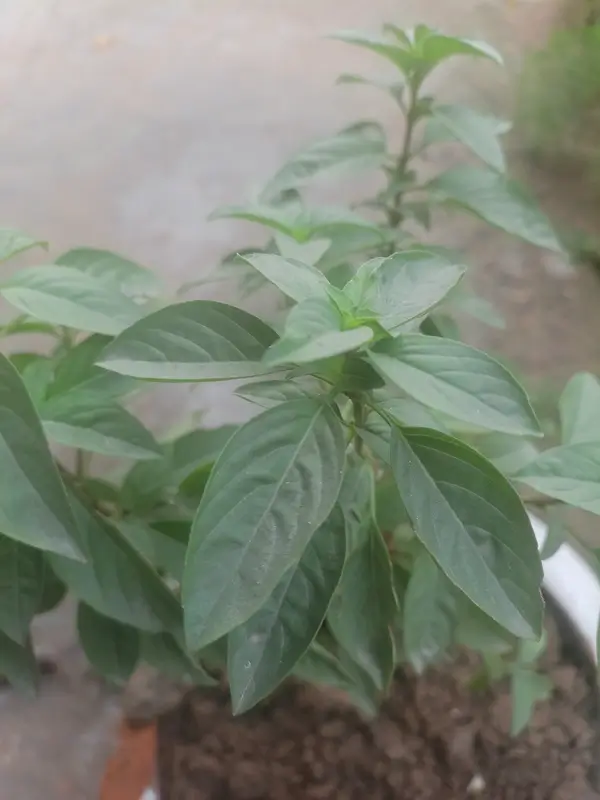
Basil Essential Oils & Fresh Leaves: Safety & Risks
Many pet parents wonder why fresh basil leaves are safe & basil essential oil has a serious toxic threat.
The difference lies in concentration, chemical structure & how a cat’s delicate liver processes plant compounds.
1. Why Basil Oils are Dangerous to Cats?
Basil essential oils are extracts that cats cannot digest effectively.
-
Cats naturally lack crucial glucuronosyltransferase liver enzymes needed to break down complex polyphenols & hydrocarbons.
-
Concentrated oils are absorbed through skin & gastrointestinal tract, leading to sudden organ toxicity & severe strain on cats’ kidneys & liver.
-
It takes hundreds of raw leaves to produce a single drop of essential oil more toxic than natural foliage.
-
Inhaling oil droplets can irritate sensitive respiratory systems – causing inflammation & breathing difficulty.
2. (4) Common Symptoms of Essential Oil Poisoning
If a cat ingests basil essential oil severe symptoms can develop quickly.
-
Distress: Signs like unsteadiness, wobbling, muscular tremors & sudden lethargy signal toxins.
-
Stomach stress: Over taking can cause intense salivation, burning mouth, vomiting & bloody diarrhea.
-
Hypothermia & Weak Pulse: Toxicity can cause of a drop in body temperature & a heart rate.
-
Skin Inflammation: Eating essential oils can cause chemical burns, skin redness & localized fur loss of cat.
3. (4) Safety Techniques for Cat Owners
Protecting your cat requires these home safety measures.
- Avoid running diffusers containing basil or essential oil blends in areas where your cat spends time.
- Store all concentrated oil bottles in tight glass containers inside a locked cabinet beyond a cat’s jumping reach.
- Do not forget to wash your hands before feeding your pet.
- If accidental touch clean your pet gently with clean towels & contact a vet immediately.
(3) Safe Plants for Cats
Providing targeted herbs allows pet parents to enrich their cat’s environment safely.
1. Feline Favorites Catnip & Cat Grass
When it comes to safe greens, traditional feline plants offer both nutritional enrichment & mental stimulation.
-
Cat Grass: Full of vitamins & minerals that support a healthy digestive system of your pet.
-
Catnip: Part of a mint family it can cause harmless behavioral responses in most cats.
-
Silvervine: An alternative to catnip that provides safe enrichment for cats that do not react to catnip.
2. (4) Herbs That Are Safe for Cats
In addition to sweet basil – common kitchen herbs have no toxic threat to indoor cats.
-
Rosemary: Completely safe for cats with a unique texture & aroma without toxins.
-
Thyme: A non toxic herb that cats can safely plant or touch in a home garden.
-
Dill & Cilantro: Fresh sprigs make them harmless if your cat accidentally eat a piece.
-
Parsley: Safe in tiny micro quantities but should be avoided due to photosensitizing compounds.
3. (4) Houseplants & Herbs to Absolutely Avoid
Basil & cat grass are safe, many household plants have toxins.
-
True Lilies: Highly toxic to cats if your cat eats a small amount can cause kidney failure.
-
Sago Palms: This plant contains cycasin which causes liver failure & gastrointestinal damage.
-
Garlic & Chives: Highly dangerous foliage that damages cats red blood cells & leads to severe anemia.
-
Eucalyptus & Tea Tree: Plant oils cause nervous system depression & digestive distress in pets.
Frequently Asked Questions
What happens if a cat eats basil?
Eating a tiny piece of fresh basil usually causes no harm because plant is completely non-toxic to felines. If a cat consumes a large amount of raw leaves - it may experience mild digestive upset such as temporary vomiting or loose stools due to difficulty feline bodies have processing heavy plant fiber.
Are any herbs poisonous to cats?
Many herbs are dangerous to cats like garlic & onions which destroy red blood cells & cause anemia. Herbal oils like tea tree, oregano & peppermint present toxic dangers to cats organs.
Can you grow basil indoors with cats?
You can safely grow fresh basil indoors as you keep plants in a location where your cat cannot tear down or overeat. Placing pots on high window & using hanging planters helps protect both plant & your cat from digestion troubles.
Which is most toxic plant to a cat?
True lilies from the Lilium & Hemerocallis species are considered absolute most dangerous plants for felines because every single part of plant is lethal. Ingesting even a tiny grain of lily pollen or drinking a few drops of water from a flower vase can trigger rapid & total kidney failure in cats within hours.