
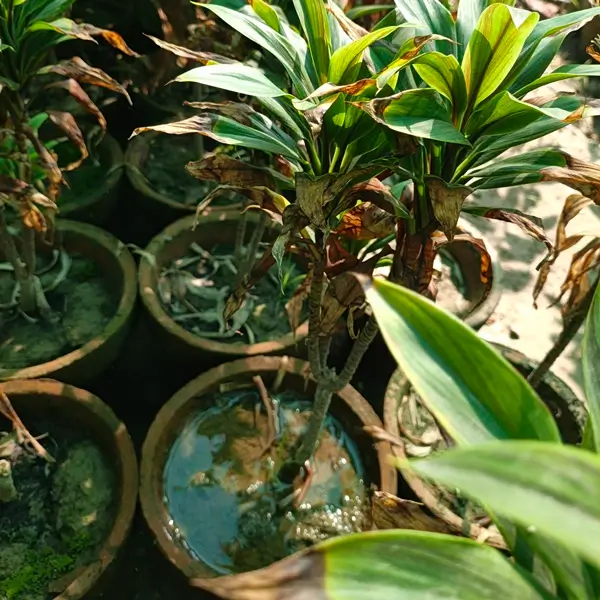
Key Takeaways
| What You Will Learn | How it Helps Your Plant |
| Watering Schedule | Perfect timing between deep soakings without risking soggy roots. |
| Light & Soil Role | Simple environmental tweaks that directly change hydration needs. |
| Overwatering Signs | Hidden warning signs your plant gives before roots start rotting. |
| Fluoride Sensitivity | Secret water choice that prevents tragic brown leaf tips. |
| Drought Tolerance | Natural survival trait keeping your plant safe during dry spells. |
| Pro Hydration Routine | Understand hydration routine top growers rely on for long-term vibrant growth. |
Knowing how often to water dracaena is essential if you want to keep your indoor plants healthy.
Proper dracaena plant care is based on a balanced dracaena watering guide because overwatering & underwatering can cause leaf yellowing or root damage.
By establishing indoor dracaena watering frequency, you can easily prevent common problems like overwatering dracaena & maintain growth year-round.
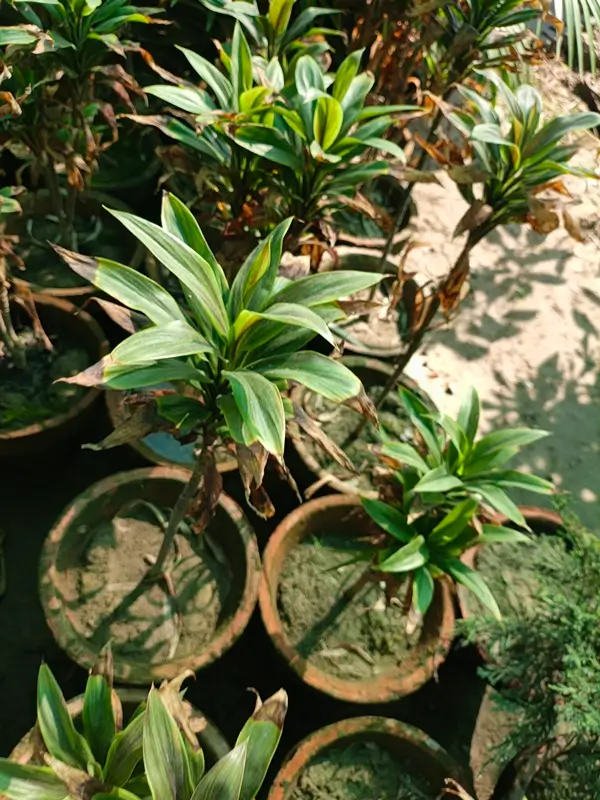
6 Key Rules for Watering Dracaena
Knowing how often to water dracaena – keeps your plants healthy & green.
Dracaena likes soil that dries out slightly between deep soakings.
Following a clear routine prevents overwatering dracaena & root decay.
Rule 1: Water Dracaena in Spring & Summer
Spring & summer are active growing seasons for indoor plants
- Warm weather & direct light increase water consumption
- Water your dracaena every 1 to 2 weeks during these months
- Always check the top 2 to 3 inches of soil before adding water
- If the soil feels dry – give it a thorough soak
For a full breakdown of seasonal routines, check out our detailed dracaena plant care guide.
Rule 2: Adjust Dracaena Watering in Winter
Dracaena plants slow down their growth during cool months.
- Shorter days mean lower light & slower moisture absorption
- Adjust your indoor dracaena watering frequency to once every 3 to 4 weeks in winter
- Excess moisture in cold soil quickly leads to root damage
- Keep a close eye on soil moisture level – rather than sticking to a strict calendar
Rule 3: Test Dracaena Soil Moisture First
Do not guess when your plant needs water.
- Push your index finger two inches deep into potting soil
- If topsoil feels moist – hold off on watering for a few days
- If it feels completely dry -your plant is ready for moisture
Using a dracaena watering guide approach with a simple soil moisture meter also provides fast &clear results.
Rule 4: Deep Soak Technique for Dracaena
- Use room-temperature filtered water to protect sensitive root systems
- Pour water slowly around the base until liquid drains from bottom holes
- Allow all excess water to drain out fully
- Empty the saucer after 15 minutes to avoid standing water
Learn more about preventing soggy soil in article on overwatering dracaena symptoms.
How Light & Soil Affect Dracaena Care
Light & soil directly dictate – how fast your plant absorbs moisture.
Adjusting these two environmental factors – keeps your watering routine balanced & simple.
1. Light for Dracaena Moisture: 5 Levels
- Bright indirect light creates ideal environment for a healthy plant
- Direct sunlight scorches leaves & dries out potting soil too quickly
- Low light slows down photosynthesis & causes water to sit in pot for weeks
- Place your plant near a window for soft daily light
- Proper lighting keeps soil drying & protects root tips
2. Best Well-Draining Soil for Dracaena
- Dense potting soil traps excess water around root systems & cuts off oxygen flow
- Heavy soil leads directly to root rot & weak foliage growth over time
- Use a loose potting mix containing peat moss, perlite & coarse sand
- Perlite improves aeration & allows excess moisture to escape from drainage holes
For more repotting instructions & soil recipes, read our full dracaena plant repotting guide.
3. Choose the Right Dracaena Pot: 5 Key Points
- Your pot material plays a massive role in how fast soil dries between waterings
- Terracotta & porous clay pots pull excess moisture out from the sides
- Plastic & glazed ceramic pots lock in moisture much longer & require less frequent watering
- Always choose pots with generous bottom drainage holes to prevent standing water
- Undrained pots create a stagnant zone at bottom that destroys healthy roots
4. How Humidity Impacts Dracaena Soil
- Indoor humidity levels change drastically between warm summer months & dry winter heating seasons
- High humidity keeps soil moist longer & reduces overall Dracaena watering frequency
- Dry indoor air accelerates water loss from both foliage surfaces & topsoil layers
- Grouping houseplants or using a cool-mist humidifier stabilizes ambient air moisture naturally
- Monitoring room humidity prevents unexpected soil dehydration during extreme seasonal shifts
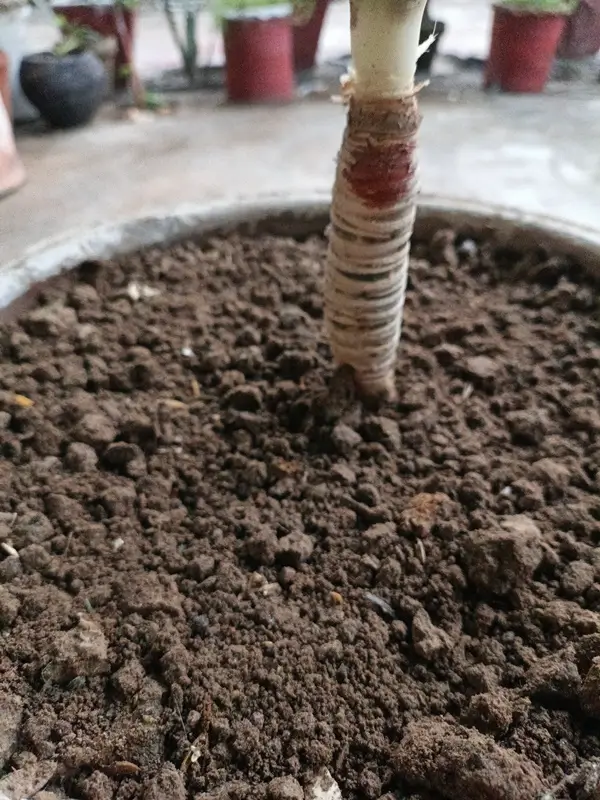
4 Steps to Spot Overwatered vs Underwatered Dracaena
Identifying leaf changes early prevents permanent stem rot & root failure.
Matching symptoms to accurate moisture levels saves your plant quickly.
Step 1: Spot Overwatered Dracaena Leaves
- Extra moisture cuts off oxygen to underground roots
- Soft stems indicate internal tissue problems from overwatering dracaena.
- Lower leaves turn yellow & drop prematurely
- Soil stays soggy for weeks & emits a damp sour smell
- Immediately pause all hydration to allow the potting mix to dry out thoroughly
Step 2: Identify Underwatered Dracaena Signs
- Underwatered foliage displays distinctive physical signs across leaf blades
- Leaf tips become crisp, dry & brown starting from the outer edges
- Entire foliage droops down toward pot due to lack of cellular water pressure
- Soil pulls away from inner container edges and feels bone dry to the touch
- Give your plant a thorough deep soak until water drains out fully
Step 3: Compare Dracaena Leaf Drop Types
- Overwatered plants drop yellow-green leaves that feel soft & limp
- Underwatered foliage turns crisp brown & drops prematurely from dryness
- Healthy older leaves naturally turn yellow & drop one by one at bottom trunk
- Natural shed from moisture stress protects plant structure
- Check soil moisture before adjusting your routine
Step 4: Fix Dracaena Root Rot Fast
- Root decay starts underground when soil stays saturated for prolonged periods
- Healthy white roots turn black, soft & foul-smelling under anaerobic conditions
- Remove plant from its pot & prune away all damaged black roots
- Repot into fresh well-draining soil & a clean container with proper drainage holes
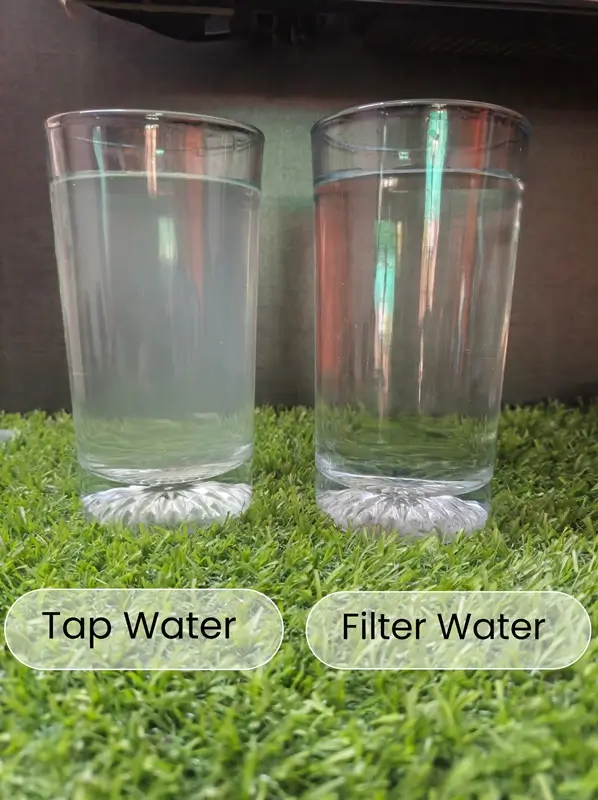
Water Quality Rules for Dracaena
Water quality plays a huge role in overall plant health.
Understanding chemical sensitivity helps prevent yellow leaves, burnt tips & root damage.
Rule 1: How Fluoride Harms Dracaena Leaves
Proper dracaena plant care requires pure water to keep plant looking fresh & green.
- Tap water have chemicals like fluoride & chlorine
- Houseplants like dracaena cannot tolerate fluoride minerals effectively over time
- Fluoride causes brown tips & dry leaf margins on older leaves
- Yellow halos appear between damaged tissue & healthy green parts
- Mineral salts settle deep inside potting soil & burn roots
- Damaged root systems lose their ability to absorb moisture & nutrients evenly
- Adjusting your indoor dracaena watering frequency reduces salt & protects underground roots
- Avoiding overwatering dracaena with heavy tap water keeps root systems strong
Rule 2: Best Pure Water Options for Dracaena
Using clean pure water sources eliminates chemica & supports continuous new growth.
Using pure water makes your indoor dracaena watering frequency much safer for delicate roots.
- Rainwater provides natural nutrients with ideal pH levels
- Distilled water contains zero chemical additives & preventing ugly brown leaf tips completely
- Clean moisture prevents risks linked to overwatering dracaena under stress
- Standard carbon filters remove chlorine gas effectively from everyday tap water
- If filtered water sits out overnight – it allows remaining gases to evaporate naturally
Following standard how often to water dracaena rules with filtered water keeps roots healthy.
Rule 3: 3-Step Dracaena Soil Flushing Method
- Flushing the potting mix regularly washes chemical salts & keeps root clean
- Pour pure distilled water directly into soil – until it streams out from bottom drainage holes
- Let all excess liquid drain out completely into a sink or basin
- Repeating this simple process every three months keeps soil fresh
- Good soil flushing refines how often to water dracaena & improves moisture flow
- Trim dry brown tips with clean sharp scissors
- Set plant in bright indirect light to speed up healthy recovery
A structured dracaena watering guide protects new leaves from future mineral burns & consistent dracaena plant care keeps your plant looking healthy.
Maintenance Tip: How often should you flush the soil?
Flush potting soil once every three months using pure distilled water.
3 Drought Survival Steps for Dracaena
Dracaena species have natural drought tolerance thanks to their thick stems & hardy leaves.
Understanding how these plants store moisture – helps refine your long-term dracaena plant care strategy.
Step 1: How Dracaena Stores Water
Following a clear dracaena watering guide helps you understand these drought.
Proper dracaena plant care ensures your indoor dracaena watering frequency balanced during warm months.
- Thick woody canes act as natural water reservoirs during warm dry periods
- Waxy leaf coatings slow down evaporation & keep plant tissue hydrated
- Adjusting your indoor dracaena watering frequency keeps these systems working properly
- Lower foliage stays upright even when topsoil feels dry between routine watering
- Knowing how often to water dracaena stop unexpected stress during extended heatwaves
- Avoiding overwatering dracaena allows plant to use its natural water storage effectively
Quick Question: How long can a dracaena go without water?
Healthy plants can survive 2 to 3 weeks without water depending on indoor light & temperature.
Step 2: Revive Dry Dracaena Soil
Following a structured dracaena watering guide prevents severe soil dehydration.
Dracaena involves checking soil absorption – before increasing watering.
- Severely dry soil shrinks away from pot edges & repels fresh liquid
- Simple bottom watering restores dry soil quickly without causing sudden root shock
- Fill a small basin with 3 inches of clean room-temperature water
- Place pot inside for 30 minutes – until topsoil absorbs moisture naturally
- Avoiding overwatering dracaena after a dry spell protects sensitive root networks.
Learning how often to water dracaena helps you fix hydrophobic soil without causing root damage.
Pro Tip: How to fix soil that won’t absorb water?
Loosen the top soil gently with a chopstick before bottom watering to improve water absorption.
Step 3: Weekly Dracaena Inspection Routine
Establishing a simple weekly inspection routine prevents moisture stress before yellow leaves appear
- Check soil depth with a finger on the same day each week
- Season changes alter evaporation rates – so adjust how often to water dracaena when summer heating or winter cold
- Staying consistent protects roots from accidental overwatering dracaena issues
Regular checks maintain optimal watering frequency across all seasons.
Maintenance Tip: When should you check soil moisture?
Inspect soil moisture – once every 7 days during active growth periods.
Pro Techniques for Long-Term Dracaena Growth
Establishing a long-term hydration routine is foundation of successful indoor plant management.
Following a structured approach protects your plant from seasonal moisture stress & harmful root diseases.
Technique 1: Seasonal Dracaena Schedule
A flexible routine adapts smoothly to changing room temperatures & seasonal lighting shifts.
- Active growth during spring & summer demands more liquid than quiet winter
- Checking topsoil moisture levels before each application ensures accurate timing
- Adjusting your habits prevents soggy soil – when plant growth slows down naturally
- Observing leaf responses keeps root systems active & healthy year-round
Technique 2: Test Dracaena Soil Accurately
Using reliable soil testing methods improves your overall accuracy – when checking plant moisture.
- The manual finger test checks topsoil dryness up to two inches deep in a pot
- Digital moisture meters measure liquid levels deep near bottom root zone
- Combining both checks refines your routine across different pot sizes
- Accurately testing soil prevents accidental mistakes in heavy ceramic containers & supports vibrant leaf development
Technique 3: Improve Dracaena Container Drainage
- Good soil aeration allows excess moisture to evaporate quickly from roots
- Choosing pots with bottom drainage holes is good for healthy long-term growth
- Aerated potting soil prevents standing water from suffocating roots
- Proper airflow & good drainage protect plants from internal tissue decay – while keeping inner stem tissues firm & upright
Technique 4: Clean Dracaena Leaves Regularly
- Wiping down leaf blades with a damp cloth removes dust accumulation & improves natural photosynthesis
- Clean leaves absorb light efficiently & maintain steady transpiration rates
- Incorporating leaf cleaning into your regular plant green
- Keeping leaves dust-free promotes fast seasonal growth & keeps root system strong & stable for years
Conclusion
Keeping your indoor plants healthy starts with observing soil moisture & maintaining consistent care habits. By choosing proper well-draining soil, providing bright indirect light & using clean water – you can easily prevent root issues & leaf discoloration. Pay close attention to how your plant responds to seasonal changes & adjust your routine as needed to keep your plant healthy year-round.
Frequently Asked Questions
How do I know if my Dracaena needs water?
The most reliable way to check is by testing soil moisture with your index finger. Insert your finger two inches deep into potting mix. If topsoil feels completely dry & pulls away slightly from inner edges of pot - your plant is ready for watering. You can also watch for early physical signs like slightly drooping plant, crisp brown leaf tips, or a lighter weight when lifting container.
Do Dracaena need direct sunlight?
No, dracaena plants thrive best in bright & indirect sunlight rather than direct exposure. Intense direct sun rays burn leaves & causing severe scorching & white bleached patches. Place your pot near a window or a few feet away from a bright south window behind a sheer curtain. These plants also tolerate lower light levels well - though their growth rate slows down & overall leaf coloration becomes slightly muted.
What does an overwatered dracaena look like?
An overwatered dracaena typically displays soft, yellowing lower foliage that drops prematurely while still limp. As moisture builds up underground, the main cane or stem turns squishy, soft, and dark brown near the soil line. The potting soil stays wet and soggy for weeks without drying out, often emitting a damp sour smell. Black, mushy root strands under the surface indicate advancing root rot caused by stagnant standing water.
Do you water a Dracaena from top or bottom?
Both watering methods work effectively, but top watering is ideal for regular maintenance, while bottom watering excels at recovering dry soil. Top watering with filtered liquid flushes out accumulated mineral salts and keeps soil layers freshly settled. Bottom watering works best when potting mix becomes extremely dry and hydrophobic, allowing roots to pull up moisture evenly through bottom drainage holes over 20 to 30 minutes.