

Key Takeaways
| 🌹 Key Takeaways | Why It Matters |
|---|---|
| Understanding True Nature of Roses | Explore why roses remain iconic & hidden details behind their charm |
| Selecting Right Rose for Your Space | Find the ideal rose variety that suits your garden, balcony or climate |
| Planting Like a Pro (Even as a Beginner) | How to grow roses at home? Read my ultimate beginner’s guide
Learn foundational steps that ensure your rose thrives from day one |
| Caring for Roses with Confidence | Master balance of water, sunlight & nutrients for vibrant blooms |
| Overcoming Common Challenges | Spot & tackle threats before they ruin your rose garden’s health |
| Secrets of Pruning for Bloom Mastery | Uncover strategic cuts that boost rose growth & flowering power |
Understanding the Basics: What are Roses?
Roses, bearing the scientific name Rosa, reside within family of plants known as Rosaceae. They are one of nature’s most beloved & elegant flowers, which have been adored universally for centuries & foster a rich cultural significance throughout history.
Native to Asia primarily, roses also populate regions in North America, Europe & Northwest Africa with over 300 species recognized today.
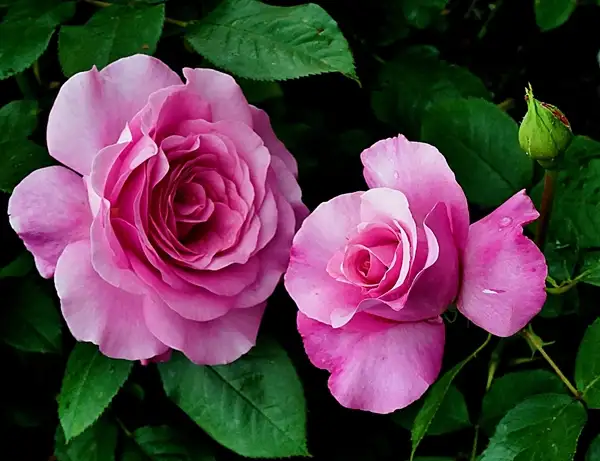
Being a woody perennial flowering plant species, roses manifest themselves differently based on their variety.
- Some appear as erect shrubs or trailing vines, while others might even form a thorny barrier through dense vegetation.
- Dependent on their type, they can be evergreen or deciduous, presenting alluring charm across seasons.
- Yet, regardless of their assortment in size or growth habits, 1 thing remains consistent. Roses typically have five petals that boast an incredibly intricate design.
Roses are not just about visual allure, though. These blooming beauties offer a delightful aroma that’s often associated with sophistication & aristocracy.
This has resulted in each hue signifying expressive human sentiments like love (red), purity (white) respect (pink), friendship (yellow) etc., positioning them as perpetual favorites for gifting purposes worldwide.
Delving into statistics from Floriculture Crops Summary by USDA’s National Agricultural Statistics Service reports show that overall rose production value reaches roughly $139 million annually despite dealing with imported competition – an undeniable testament to its enduring popularity among horticulturists & hobbyists alike!
Choosing the Right Variety: How to Select the Perfect Rose

Selecting perfect rose involves taking into account your gardening needs, aesthetic preferences & local climate conditions.
Understanding these nuances is crucial. Since there exist thousands of hybrid cultivars professionally honed for specific characteristics like blossom color, shape, fragrance, disease resistance, drought tolerance, climatic resilience etc.
Utilize resources available plentifully online from reputable websites & industry associations e.g., American Rose Society. Information regarding roses is segregated there, detailing various attributes (hardiness zone, potential size, growth habit, ideal soil type, sunlight allowance, watering needs, etc.). This will empower informed decision-making on which rose might harmonize best with your existing flora & ensure it can cope suitably within your living environment.
Remember to also consider maturity size – i.e., how large the plant will eventually grow.
5 Rose Varieties (A Complete Comparison)
| Rose Type | Key Features | Ideal For |
|---|---|---|
| Hybrid Tea Roses |
|
|
| Floribunda Roses |
|
|
| Climbing Roses |
|
|
| Miniature & Shrub Roses |
|
|
| Ramblers |
|
|
6 Additional Tips for Choosing the Best Rose For You
| Selection Factor | What to Consider |
|---|---|
| Climate & Hardiness Zone |
|
| Growth Habit |
|
| Mature Size |
|
| Fragrance |
|
| Disease Resistance |
|
| Maintenance Needs |
|
Planting Properly: The 6 Essential Steps for Successful Rose Growth

When faced with a bare-root rose or a potted plant, one of the pivotal steps towards successful growth commences from correct planting techniques balanced cautiously with quality care right from its initial stages.
| Step | Description | 🌿 Pro Tip |
|---|---|---|
| 1. Choose Right Spot |
|
|
| 2. Prepare Soil |
|
|
| 3. Soak Bare Roots |
|
|
| 4. Dig the Hole |
|
|
| 5. Plant and Backfill |
|
|
| 6. Water Thoroughly |
|
|
🌟 According to Colorado State University Extension, roses planted using these methods show a 95% survival rate.
4 Expert Care Tips for Your Roses: Water, Sunlight & Fertilizer Needs
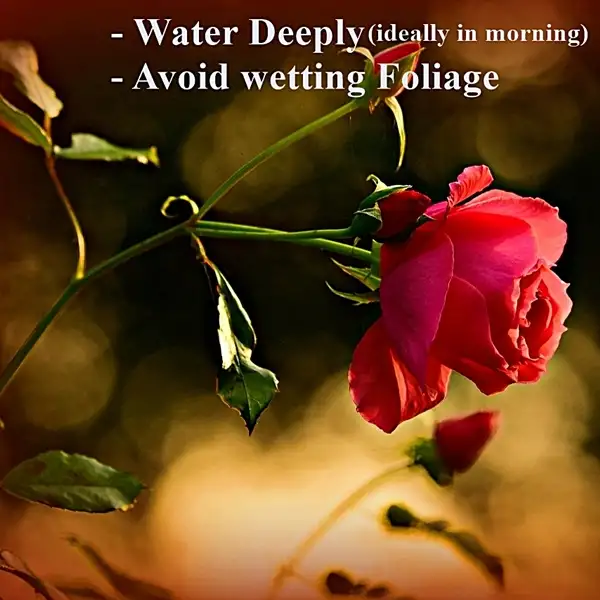
To propagate blooming success, your roses need consistent nourishment –
| Care Element | Recommendations | 🛠 Tips |
|---|---|---|
| Watering |
|
|
| Sunlight |
|
|
| Fertilizing |
|
|
| Seasonal Feeding |
|
|
6 Common Rose Diseases And Pests (And How to Fix Them!)
Common foes that lurk menacingly around rose gardens include –
| Problem | Signs | Management |
|---|---|---|
| Black Spot |
|
|
| Powdery Mildew |
|
|
| Rust |
|
|
| Aphids |
|
|
| Spider Mites |
|
|
| Beetles |
|
|
🌿 According to Royal Horticultural Society, nearly 70% of rose damage from pests & disease can be controlled through prevention & integrated pest management (IPM) practices.
4 Pro Pruning and Maintenance Strategies for Healthy, Blooming Roses
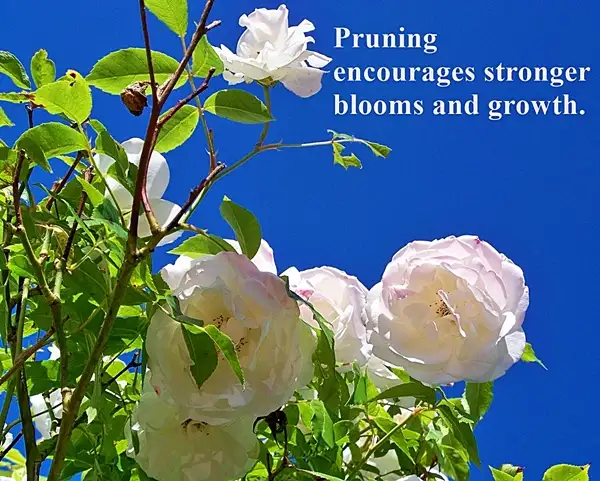
Pruning is not only about molding your roses’ aesthetic appeal, but the actions also have a significant influence over plant health, size, overall performance & blooms.
Therefore, understanding proper pruning strategies facilitates a healthier, more prolific blooming season &, importantly, helps control paradoxically undesirable, vast growth that often saps energy away from optimal bloom generation.
| Maintenance Task | When to Do It | How & Why |
|---|---|---|
| Major Pruning |
|
|
| Tool Selection |
|
|
| Deadheading |
|
|
| Disposal |
|
|
🌼 Pruning encourages stronger blooms, better structure & reduces disease risk by enhancing airflow
By combining thoughtful pruning, attentive care & timely intervention, your roses can thrive year after year. It will reward your efforts with vigorous growth, dazzling blooms & that lovely fragrance roses are so dearly cherished for.
Frequently Asked Questions
Can you grow a rose from a cutting?
Yes! Take a healthy 6–8 inch stem. Remove lower leaves & plant it in moist & well-drained soil. Keep it in indirect sunlight & water regularly until roots develop.
How to plant a rose at home for beginners?
Pick a sunny spot. Dig a 15-inch deep & wide hole. Add compost & plant rose. Backfill gently, water deeply & apply mulch for moisture retention.
How to grow roses in water?
Place a trimmed cutting in a clean jar of water. Change water every few days. Once roots appear, transplant to soil for continued growth.
How to grow roses from seeds?
Chill seeds in moist paper towels in fridge for 10 to 12 weeks. Once sprouted, transfer them to seed trays with light soil & water gently.
How to take care of roses in vase?
Cut stems diagonally. Remove lower leaves & place in clean water with floral preservative. Change water every 2 to 3 days & keep vase out of direct sunlight.
How to grow rose plant faster?
Ensure six hours of sun. Use compost-rich soil. Water deeply & Fertilize with balanced NPK in spring. Prune regularly to boost airflow & new growth.