


Key Takeaways
| Key Takeaway | Why This Matters to You |
|---|---|
| Lilacs have specific sunlight expectations |
|
| Sunlight quality matters as much as duration |
|
| Full sun directly influences bloom strength |
|
| Partial shade changes lilac behavior |
|
| Low sunlight triggers hidden plant problems |
|
| Proper sun placement improves long-term health |
|
| Expert-backed guidance simplifies decision-making |
|
Sunlight Requirements of Lilacs

Lilacs are deciduous shrubs highly cherished for their vibrant blossoms & captivating fragrance. However, cultivating these enchanting plants requires knowledge about their optimal growing conditions – chiefly, understanding how much sun lilacs need.
| Requirement | Key Points |
|---|---|
| Ideal Sunlight |
|
| Sunlight Quality |
|
| Low Sun Impact | Insufficient sunlight yields scanty foliage, fewer flowers, increased susceptibility to diseases like powdery mildew & weaker root energy storage. |
The thing with lilacs is they aren’t overly demanding shrubs; once you comprehend their basic needs—and sunlight stands atop this list – you can enjoy years upon years filled with exquisite sights & scents from your hardy woody plantations.
The Impact of Full Sun on Lilac Growth And Blooming
Full-sun exposure markedly affects aspects like leaf development, budding specification, flower size & number creation in many plant species; it is no different for lilac shrubs, too!
| Aspect | Effects of Full Sun |
|---|---|
| Photosynthesis & Energy |
|
| Flower Production |
|
| Disease Resistance |
|
| Energy for Dormancy |
|
Comparing Lilacs in Full Sun Vs Partial Shade Vs Deep Shade
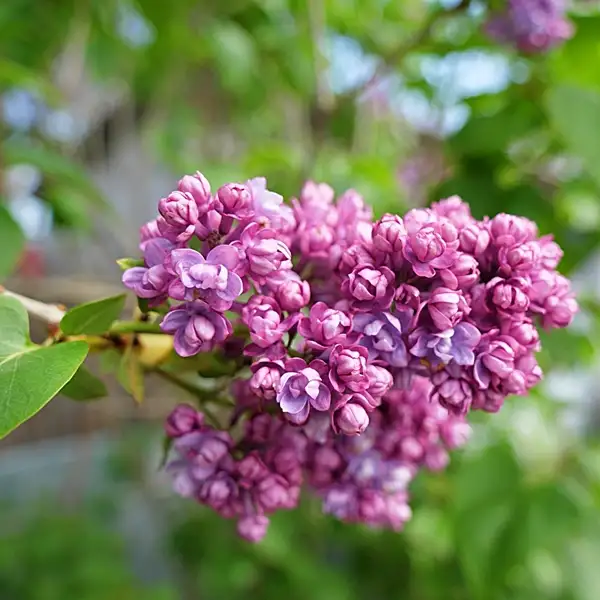
While direct sun enables optimal lilac development, it’s also vital to understand how shade can affect them.
A study conducted by Horticulture Department at Iowa State University shows that while minimal differences are observed in overall health & appearance of lilac plants grown in full sun versus partial shade, sufficient sunlight remains a key factor in promoting more robust flowering.
| Condition | Effects on Lilacs |
|---|---|
| Full Sun |
|
| Partial Shade |
|
| Deep Shade |
|
Remember, even if blossoms are scarce initially, patience is a virtue here as these resilient, hardy perennials usually discover ways to acclimatize overtime closing the gap gradually upon their vibrant peers thriving under abundant solar splash.
4 Common Problems Faced By Lilacs In Low Sunlight Conditions
Though lilacs demonstrate notable resilience to varying light conditions, certain issues become prominent when they are deprived of essential sunshine; gardener-versus-nature battles often flare up.
| Problem | Cause & Effect |
|---|---|
| Fewer Flowers |
|
| Leggy Growth |
|
| Fungal Issues |
|
| Poor Energy Storage |
|
6 Key Factors to Optimize Sun Exposure for Lilacs
A simple rule of thumb – choose a well-lit area. If you are planning to plant a new Lilac shrub, I recommend checking these factors –
| Optimization Factor | Advice |
|---|---|
| Daily Sun Exposure + Direction |
|
| Garden Layout |
|
| Afternoon Heat |
|
| Air Circulation |
|
| Soil & Drainage |
|
| Pruning Timing |
|
3 Expert Tips To Ensure Your Lilacs Get Right Amount Of Sunshine
‘Good gardening begins with good planning’
- That is perhaps why experts always advocate starting off right – by identifying an open-air site with unhindered access to sunlight, while also ensuring a balanced combination of other essential factors such as soil quality & water availability, which together complement role of adequate sunshine in an effective growth strategy.
- Maintain a regular inspection routine; monitor plant condition closely & watch for unusual signs such as yellowing leaves, pale flowers, or early wilting & take prompt corrective action suited to specific issue.
- Seasonal pruning encourages regenerative growth & enables lilacs to bloom with renewed vigor. Remember to prune annually – preferably after spring flowering period or in late winter – focusing on removing dead wood & aged branches. This practice supports new growth & improves sunlight penetration, further strengthening the overall health of shrub.
Final Words
Growing colorful lilacs is not necessarily complicated. It requires attention to multiple aspects – carefully implementing practices that ensure overall success.
Adjusting sunlight exposure is a key piece of this larger lilac growing puzzle. It helps guarantee bountiful floral displays year after year.
One cannot defy nature – but by working harmoniously with it – we can certainly enjoy blessings in the form of enchanting, vibrant lilacs!
Frequently Asked Questions
Where should you not plant lilac bushes?
Do not plant lilacs in shaded or waterlogged areas. Poor drainage & lack of sunlight weaken growth, reduce blooms & invite fungal issues like powdery mildew.
Can lilacs get too much sun?
No! In extremely hot climates - harsh afternoon rays can scorch leaves. Offer light afternoon shade or filtered sunlight to protect them during intense heat.
Where is best place to plant a lilac bush?
Plant lilacs in open ground with six to eight hours of direct sunlight & good airflow. Southern or western exposures work best.
Do lilacs like morning or afternoon sun?
Lilacs prefer morning sun. It is gentler, dries dew quickly & prevents fungal diseases. It also promotes steady growth & blooming.
What is lifespan of a lilac bush?
A healthy lilac bush can live 50 years or more with following the 3 best tips I mentioned earlier.