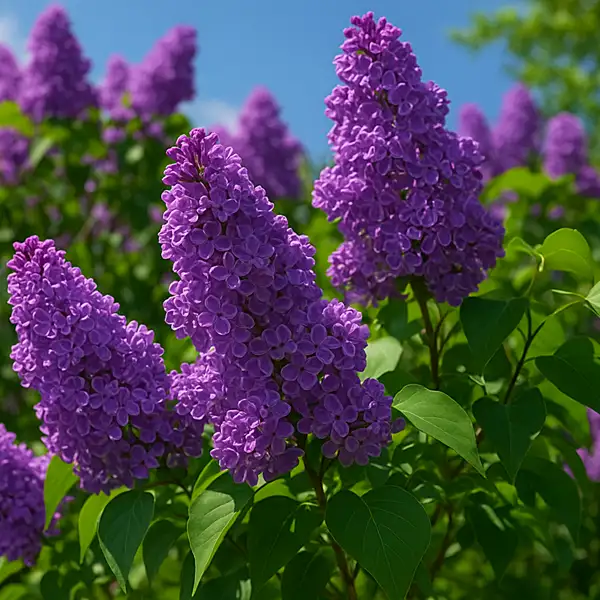


Key Takeaways
| Key Takeaway | Why Read On |
|---|---|
| Sun & Site |
|
| Soil & Preparation |
|
| Planting Steps |
|
| Pruning & Timing |
|
| Spacing & Airflow |
|
| Watering & Feeding |
|
| Pests & Natural Defenses |
|
| Bloom Expectations |
|
Beauty of Lilacs
Named after a beautiful flower in Greek mythology – lilacs are beloved for their fragrant blossoms & heart shaped leaves. Sweetness of this perennial makes it a perfect addition to any garden or landscape.
Their various colors – from white to deep purple – make them adaptable to different design aesthetics. Moreover, lilacs are known as “the Queen of Shrubs” because they are incredibly hardy & resistant.
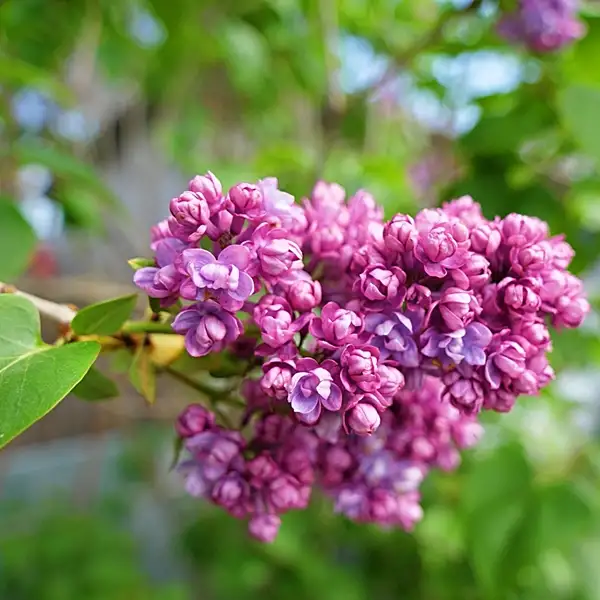
Apart from their captivating charm, lilac shrubs also have symbolic values that span various cultures worldwide.
- In Russia, for example, it signifies wisdom – while Victorians consider its fragrance as scent of first love.
- Its medicinal property is also noteworthy; traditional Chinese medicine uses it in treating malaria & fever.
Lilacs bloom every year during springtime with some varieties boasting blooms until mid-summer—a sight loved by pollinators such as butterflies & bees due to their nectar-rich flowers.
“Nature always wears colors of the spirit,” Ralph Waldo Emerson once noted – which truly captures how these fascinating plants encourage us to appreciate simple yet profound beauty—the kind that draws our attention back into nature – where we belong.
Moreover, evidence suggests that lilac has been in cultivation since 1563 – when Europeans discovered its stunning physical characteristics & soothing aroma—proof of how timeless this plant’s appeal truly is.
Choosing the Ideal Location: Where Do Lilacs Thrive?
When it comes to planting lilacs – you need to know the best requirements to plant a lilac bush, which are –
4 Best Conditions for A Lilac Shrub & 1 to Avoid
| Best Place to Plant A Lilac Shrub (Ultimate Guide) 🌞 | |
|---|---|
| Sunlight |
|
| Soil & Drainage |
|
| Air circulation |
|
| Space to grow |
|
| Avoid (Careful) |
|
5 Pro Tips to Prepare Your Soil for Lilac Planting
When planting new sapling, each hole should be twice as wide but just as deep compared to when placed inside pots initially.
| Best Soil for Lilac Bushes 🧪 | |
|---|---|
| Test pH |
|
| Improve drainage |
|
| Soil mix for backfill |
|
| Bone meal & phosphorus |
|
| Raised planting |
|
Step-by-Step Guide – How To Plant Lilac Bushes in 5 Steps
Planting lilacs requires a thoughtful process & meticulous care –
| Planting Lilac Bushes — Step by Step 🌱 | |
|---|---|
| Hydrate roots |
|
| Dig the hole |
|
| Position & backfill |
|
| Mulch |
|
| Water |
|
| 1 Expert Tip |
|
5 Expert Care Tips For Your Lilacs Post-Planting: Tips And Tricks
Taking care of your lilacs after planting involves:
| Care Guide For Your Lilacs After Planting 🌿 | |
|---|---|
| Pruning timing |
|
| Rejuvenation pruning |
|
| Fertilizing |
|
| Watering |
|
| Scientific note |
|
5 Common Mistakes in Lilac Planting + How to Avoid Them
Common mistakes when planting lilacs begin with –
| Common Mistakes & Solutions ⚠️ | |
|---|---|
| Wrong selection |
|
| Over/under watering |
|
| Over-fertilizing |
|
| Late pruning |
|
| Poor spacing |
|
3 Pests & Diseases – How to Protect Your Lilacs Naturally
Though lilacs are generally hardy – they are not entirely immune to garden nuisances –
| Pest Control & Disease Management in Lilacs 🐛🌿 | |
|---|---|
| Powdery mildew |
|
| Lilac borers |
|
| Bacterial blight |
|
| Organic treatments |
|
| 2 Things to Avoid |
|
When and How to Expect Lilac Blooms (+Bonus Tips)
Most lilacs start blooming in:
| When does a Lilac Bloom 🌸 | |
|---|---|
| Main bloom time |
|
| Reblooming varieties |
|
| Patience |
|
| Staggered blooms |
|
Timeless Charm of Lilacs
Beyond their horticultural allure – lilacs embody endurance, purity & nostalgia.
They remind us of gardens passed down through generations – where their scent lingered on spring breezes. Whether planted as a single specimen shrub or lining a walkway – lilacs never fail to elevate a space with their old-fashioned grace. Their adaptability, minimal maintenance & long lifespan make them one of the most rewarding shrubs any gardener can grow.
In essence – growing lilacs is not merely about cultivating a plant. It is about preserving a living legacy. With right sunlight, care & patience – your lilac bush will stand as a fragrant testament to nature’s timeless artistry – enchanting every season & heart it touches.
Frequently Asked Questions
What is best month to plant lilacs?
I recommend to plant lilacs in early spring when ground thaws - or in late fall before first frost. Both times let roots establish well before extreme temperatures arrive.
What is best way to plant lilacs?
I will choose a sunny, well drained spot with slightly alkaline soil (pH 6 to 7). Then dig a hole twice as wide as root ball - mix compost & bone meal. Then set plant, water deeply & mulch to retain moisture.
How to plant lilacs in ground?
First - soak roots for an hour, dig a roomy hole & plant so crown sits level with soil. After that - refill with compost rich soil, tamp gently, water thoroughly & mulch lightly.
How to plant lilacs in pots?
I recommend to use a large pot with drainage holes & fill it with rich, well draining soil. Add compost, plant at soil level, water well & place in full sun.
How far apart to plant lilac bushes?
From my experience, I will say to space lilac bushes 5 to15 feet apart - depending on variety’s mature size - to allow airflow & full growth.
How far to plant lilac from fence?
It is a very important point to consider before planting these shrubs. Keep them 5 to 10 feet from fences or walls to ensure sunlight, airflow & room for spreading.
When to plant lilac seeds?
I will say to sow seeds in late fall for natural cold stratification or chill them for 8 to 12 weeks before planting in spring.