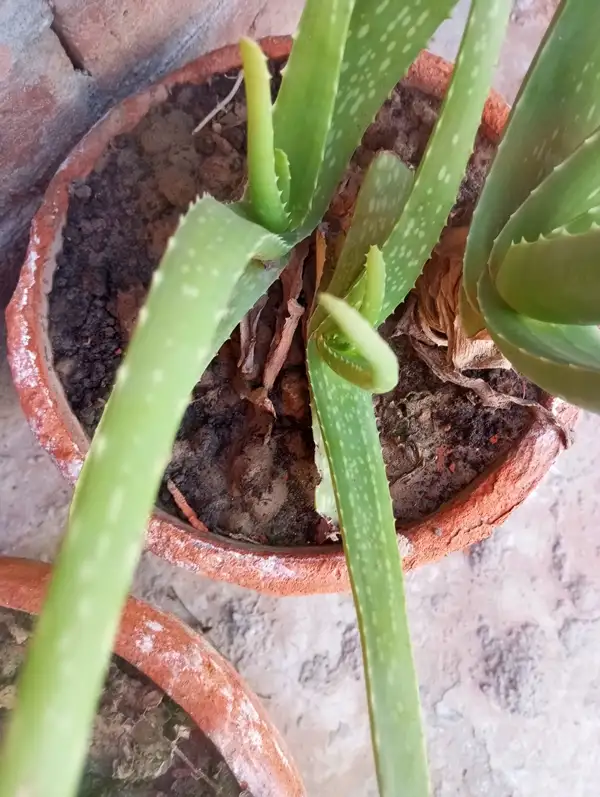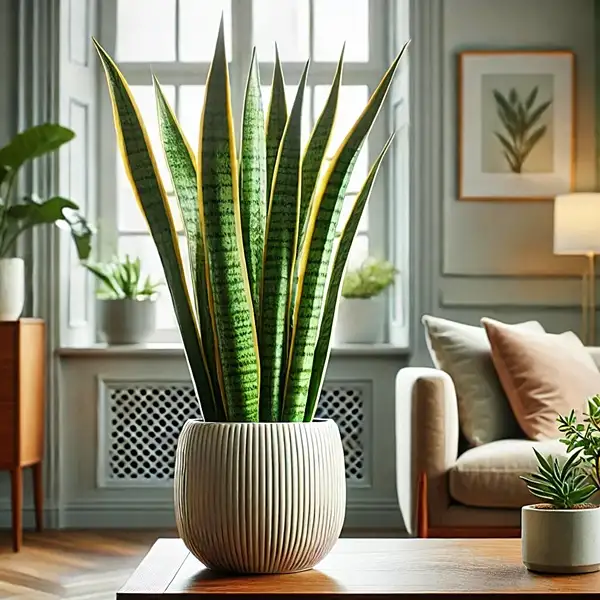

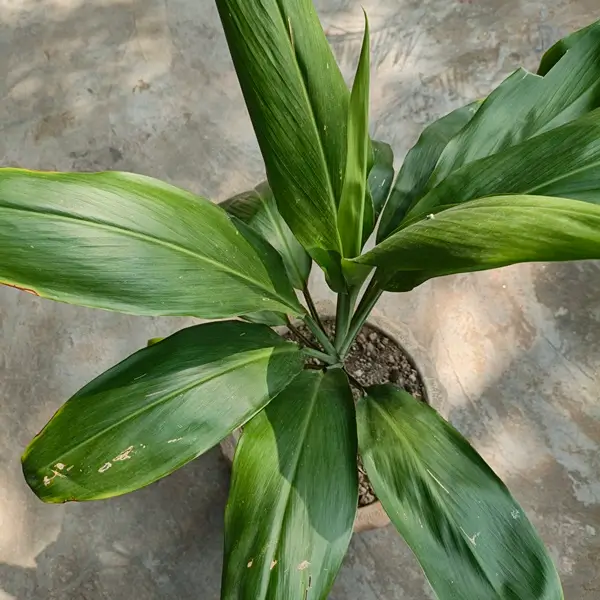
Key Takeaways
| What You Will Learn | How It Helps Your Plant |
|---|---|
| Dracaena Growth | How to unlock rapid indoor leaf growth and healthy foliage. |
| Right Growth Environment | Learn to stop silent leaf burn damage from harsh sunlight. |
| Watering for Steady Growth | Understand root rot protection secrets to avoid overwatering. |
| Growth Soil | How to build unbreakable root strength for long-term health. |
| Defending New Shoots | Learn to grow new plants without damaging from common pests. |
| Pruning for Bigger Leaves | Learn to prune bushy growth for fuller branches & a healthy plant. |
Learning how to grow dracaena indoors is simple once you master its basic light & water needs.
These houseplants add greenery to any space & grow with everyday care.
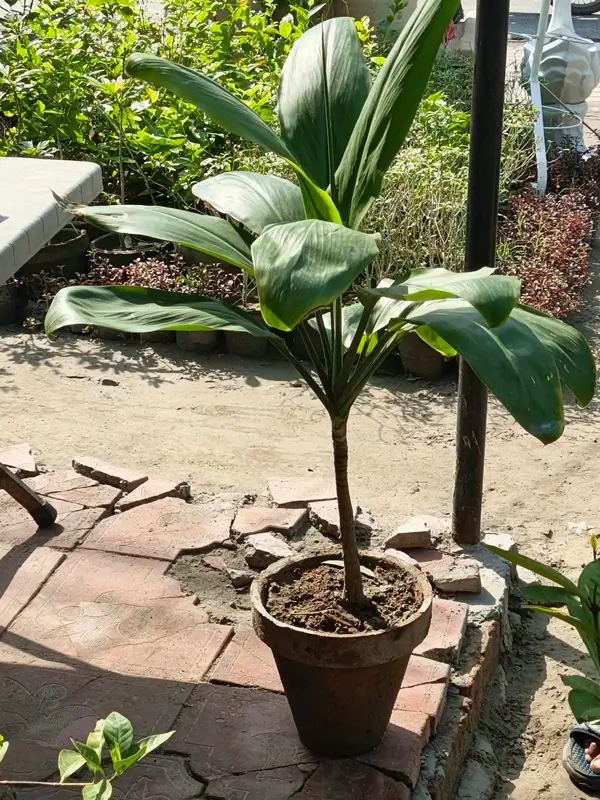
Step 1: Mastering Dracaena Growing Fundamentals
Starting your journey with houseplants can feel confusing – but learning how to grow dracaena is most important step you can take.
These beautiful plants not only brighten up your living room – but also bring a good vibe of nature into your everyday life.
With just warmth, decent light & simple care routines your dracaena will settle in your home easily.
1. How to Select the Best Dracaena: 2 Popular Varieties
Popular choices like Corn Plant (Dracaena fragrans) & Dragon Tree (Dracaena marginata) give good patterns & shapes.
Every variety shares a gentle natural care routine – making Dracaena plant care simple for beginners.
2. Ideal Light & Temperature for Dracaena: 2 Conditions
Dracaenas love bright & indirect light – like the natural filtered sunlight of their native habitats.
- Placing your plant near a window allows it to catch soft morning rays
- Keep room temperature comfortable—ideally between 65°F & 80°F— & protect your plant from cold window during cold months
3. Best Soil & Potting Mix for Dracaena: 2 Methods
Healthy roots are the heart of a thriving houseplant.
- To give your dracaena strong support – use a well-draining potting soil full of peat moss & perlite
- Proper drainage prevents excess water from sitting around roots – ensuring steady growth & long-term life
4. Dracaena Potting Guide: 4 Easy Steps
- When potting your new dracaena – choose a container with drainage holes
- Gently place the root ball in pot
- Fill the sides with soil mix & press lightly to secure it
- Water lightly after planting to help roots settle & setting a solid foundation for growth
Step 2: Key Methods for Dracaena Sunlight & Environmental Setup
Creating the right atmosphere is important when learning how to grow dracaena successfully.
These plants grow when their surrounding environment meets their natural forest habitat.
By balancing sunlight, humidity & room temperature – you provide your plant with everything it needs to develop bright leaves & strong stems.
1. Dracaena Sunlight & Placement: 3 Techniques
- Dracaenas like bright & indirect sunlight for growth without causing harm
- Placing your pot near a window allows plant to catch morning light but protects it from afternoon rays
- If you only have south- or west-facing windows – filter light with a thin curtain to prevent dark leaf spots
To learn more about optimizing indoor light levels, check out this guide on houseplant lighting conditions.
2. How to Set Dracaena Temperature: 2 Methods
Maintaining indoor temperatures helps your plant grow consistently year-round.
- Dracaenas perform best in standard room temperatures – ranging between 65°F & 80°F (18°C to 27°C)
- Avoid placing your plant directly next to air conditioning, windows & heating radiators – as sudden temperature drops can cause lower leaves to turn yellow
3. Ideal Dracaena Humidity: 3 Levels
While dracaenas tolerate normal room humidity quite well.
- They truly flourish in slightly higher moisture levels
- Dry indoor air during winter can dry out leaf tips – causing them to turn brown
- Soaking plant with room-temperature water & placing a small water tray nearby helps maintain moisture levels around leaf canopy
4. How to Rotate Dracaena: 2 Smart Methods
Plants naturally lean toward their primary light source over time – which can lead to uneven growth.
- Rotating your pot every time you water ensures all sides receive equal light exposure
- This simple habit keeps central stem growing straight & maintains a balanced & attractive shape on all sides
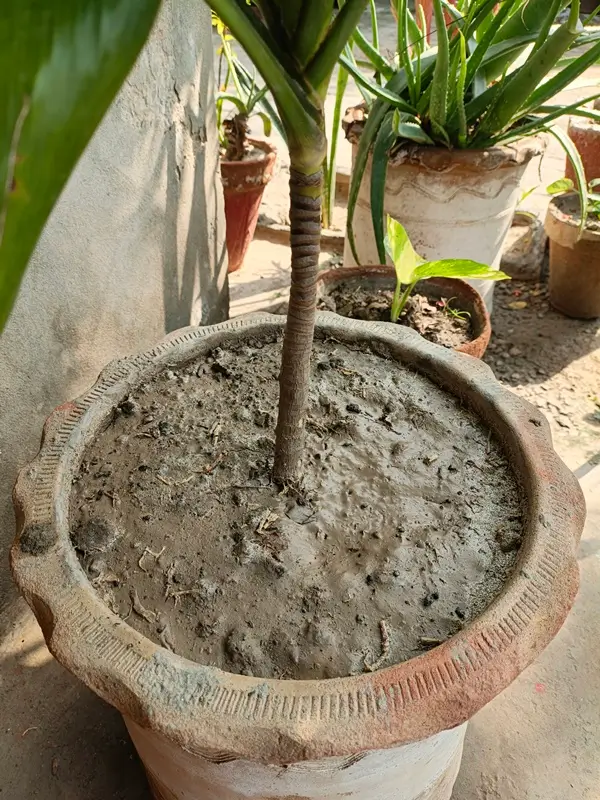
Step 3: Dracaena Watering & Feeding Care
Mastering moisture levels is good – when learning how to grow dracaena effectively at home.
Overwatering is a common mistake – but maintaining a balanced watering schedule helps growth without damaging roots.
Following a seasonal feeding schedule supports continuous leaf production in growing season.
1. Dracaena Watering & Moisture Levels: 2 Techniques
Understanding dracaena watering needs helps protect your plant from moisture stress.
- Allow the top two inches of soil to dry out completely
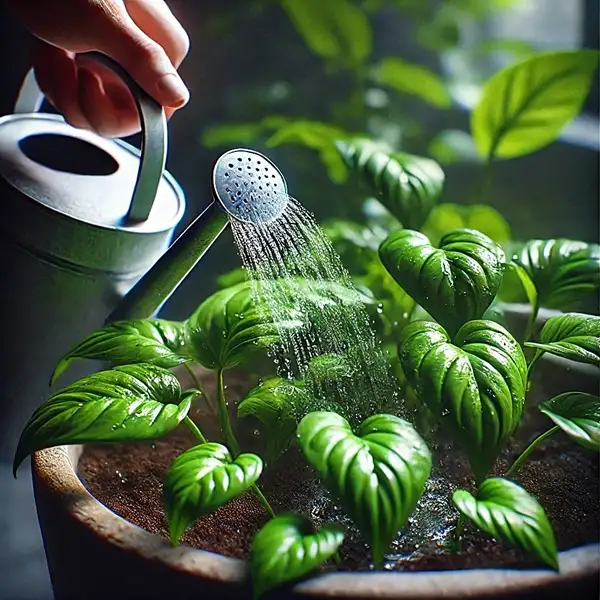
- When you water – pour until excess liquid drains freely out of the bottom drainage holes & then empty the saucer underneath so the roots never sit in standing water
2. Safe Tap Water Chemicals for Dracaena: 3 Levels
- Dracaena sfamily can be sensitive to chemicals – like fluoride & chlorine found in tap water
- Using treated tap water often leads to brown tips on outer leaves – which affects overall dracaena plant care results
- To protect your plant use distilled water, rainwater & allow tap water to sit uncovered overnight before watering your plant
3. Dracaena Fertilizers for Healthy Stems: 2 Methods
- To encourage fast development – feed your plant with a balanced liquid houseplant fertilizer
- Apply this mixture once a month during spring & summer when plant actively grows
For authoritative insights on plant nutrient needs, explore this guide on houseplant fertilizer requirements.
4. Dracaena Seasonal Care: 2 Steps
Your plant’s moisture demand changes as seasons shift throughout the year.
- During active spring & summer growth – water more frequently as warmer temperatures dry out potting soil faster
- In late autumn & winter – reduce watering to once every two or three weeks – because plant growth naturally slows down during cooler months
Step 4: Dracaena Soil & Potting Care
Choosing the right growing soil is important when learning how to grow dracaena for long-term health.
A well-draining soil mix gives roots the perfect balance of oxygen & moisture.
With proper foundation – these indoor plants will thrive for years in any home setting.
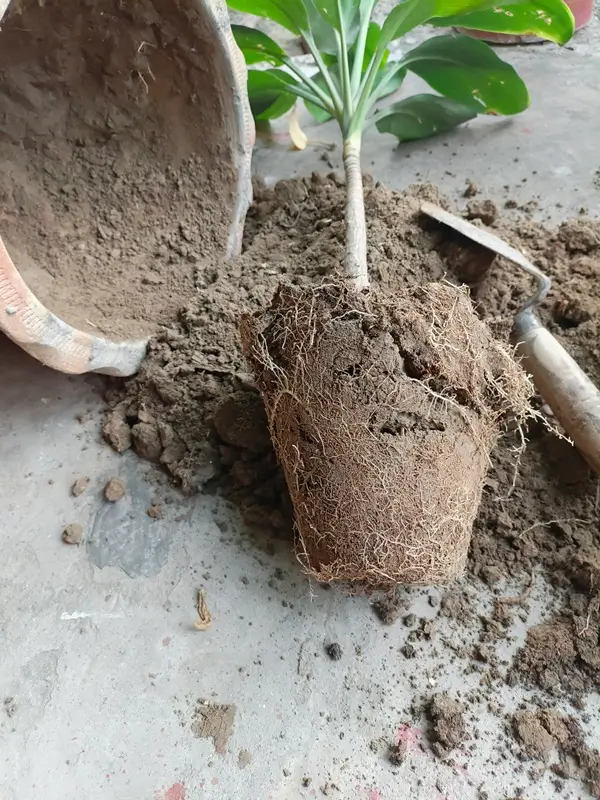
1. Best Dracaena Soil Mix: 2 Methods
Creating an ideal potting environment starts with materials.
- Combine standard potting soil for indoor plants with equal parts peat moss & perlite to achieve maximum growth
- Peat moss holds necessary moisture – while perlite allows extra water to run off quickly during dracaena watering
This simple blend gives your plant exact environment & needs to expand its root network naturally.
2. Dracaena Root Rot Prevention: 3 Techniques
Root rot poses a continuous threat to your plant if water pools around base.
- Always select heavy containers with drainage holes – so excess liquid escapes freely during dracaena watering
- Proper moisture balance is a main part of effective dracaena care
- Adding sand or pine bark pieces to your soil mix – increases airflow & speeds up drying times between waterings
3. Balancing Dracaena Soil PH: 3 Levels
Learning how to grow dracaena involves understanding its soil environment.
- These indoor plants grow best in slightly acidic to neutral soil with a pH level between 6.0 & 6.5
- When soil becomes overly acidic or too alkaline – nutrient uptake slows down.
- Testing your potting mix once a year – ensures your plant absorbs minerals like nitrogen & potassium without stress
4. Perfect Time to Repot Dracaena: 3 Steps
As your plant matures – its roots fill up container & require fresh growing space every two to three years.
- Upgrading pot size & refreshing soil is vital for long-term dracaena care
- Look for roots poking out through drainage holes & water draining too fast during dracaena watering as clear signs to repot
- Moving your plant into a larger pot allows these popular indoor plants to establish strong roots before active summer growth
Step 5: Dracaena Pest Control & Health
Protecting your plant from common home pests is a part of proper dracaena care.
Keeping your indoor plants free from infestation – ensures they continue growing without sudden leaf loss or stress.
1. Key Steps to Identify Dracaena Pests
Early detection makes pest control far easier – when learning how to grow dracaena successfully.
- Keep a close eye out for spider mites, mealybugs & scale insects – that often hide under leaves or along stem
- Mealybugs appear as small white cottony spots – while spider mites leave delicate webs between leafy stems
- Regular inspection during routine dracaena watering – allows you to catch these unwanted pests before they multiply
2. How to Control Dracaena Pests: 3 Treatments
Removing insects quickly keeps your plants healthy.
- Wipe affected leaves with a damp cloth soaked in warm water & mild insecticidal soap
- Neem oil spray works as an excellent natural treatment for bugs on all indoor plants
- Repeating this process once a week stops pest life cycles & restores natural foliage shine
3. Dracaena Pest Prevention: 3 Methods
Maintaining optimal growing conditions is the single best defense against insect attacks.
- Pests live on weak or moisture-stressed plants – so maintaining a proper schedule for dracaena watering keeps immunity strong
- Avoid overcrowded plant stands to ensure airflow around leaf canopies
- Wiping dust off leaves every month also helps plant breathe & removes insect hiding spots
4. Dracaena Leaves Recovery: 2 Steps
If insects damaged parts of your plant – taking quick action is vital for overall dracaena care.
- Prune severely damaged & yellowing leaves for clean new shoots
- Move recovering plant into moderate indirect light & pause fertilization until fresh green growth appears
With consistent care, your indoor plants will bounce back quickly.
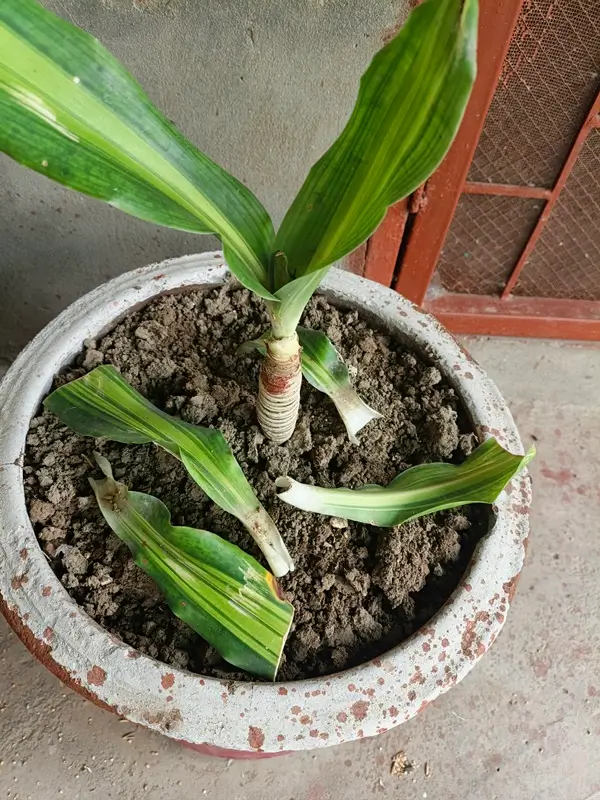
Step 6: Mastering Dracaena Pruning & Shaping
Regular pruning makes your plant bushy & promotes stem growth.
Knowing when & where to trim is part of long-term dracaena care.
1. Dracaena Leaf Trimming: 4 Steps
- Removing old or faded leaves helps nutrients go toward healthy fresh shoots
- Use sharp & clean pruning shears to snip off brown leaves
- When lower leaves turn yellow naturally – cut them off close to the main stem
- Cleaning up older plant material keeps these popular indoor plants looking sharp & vibrant year-round
2. Dracaena Stem Pruning: 3 Techniques
- If your plant grows tall & leggy – cutting the top of the main stem triggers dormant buds to sprout lower down
- Make a clean horizontal cut at your desired height during early spring
- Within a few weeks – new leaf nodes will appear around the cut & turning a single stalk into a fuller multi-branched plant
Master this simple trimming method when learning how to grow dracaena for maximum indoor appeal.
3. Dracaena Propagating: 3 Methods
- Don’t discard healthy stem pieces after pruning your plant
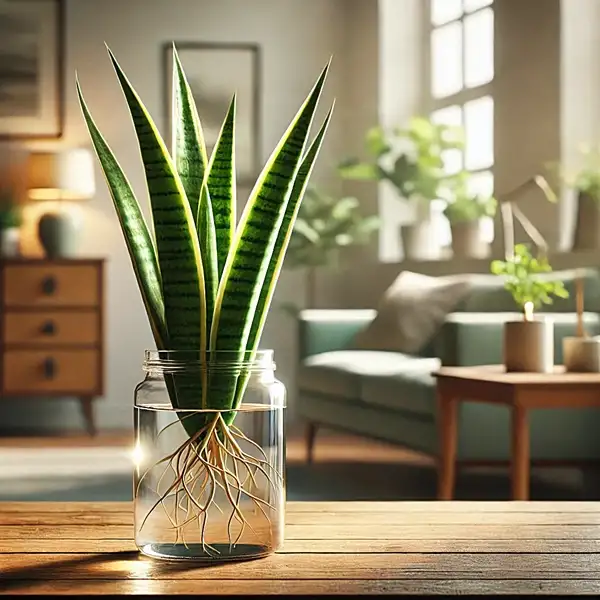
- Clean stem cuttings propagate easily in fresh soil, plain water & giving you new indoor plants for free
- Place cut stems in a warm spot with bright indirect light & refresh water every few days until new roots develop
4. Post-Pruning Dracaena Care: 4 Rules
- Give your plant extra attention after a major pruning session for fast recovery.
- Maintain a routine for dracaena watering -while new leaves develop
- Apply a balanced liquid houseplant fertilizer once a month in active spring & summer growing season
- Steady moisture & gentle nutrients help rapid fresh growth after every trim
Conclusion
Mastering how to grow dracaena comes down to maintaining a balanced routine of proper lighting, optimal soil moisture & regular pest monitoring.
By choosing a well-draining potting mix, providing bright indirect sunlight & avoiding overwatering – you can ensure your indoor plants stay healthy & vibrant year after year.
With basic care & attention to their growing environment, these versatile plants will continue to enhance your indoor living space with lush & long-lasting foliage.
Frequently Asked Questions
Can you grow a Dracaena from a cutting?
Yes, you can easily grow a new plant using stem cuttings. Cut a healthy four to six-inch piece from main stem, remove lower leaves & place bottom end in either clean water or fresh moist potting soil. Within three to four weeks - new roots will begin to sprout & allowing you to establish independent indoor plants with minimal effort as part of your routine dracaena care.
Where is the best place to put a Dracaena plant?
Optimal placement is near an east or west-facing window where plant receives bright & indirect sunlight full day. Avoid positions directly in harsh rays, which scorch leaf tips & as well as dark corners or spots directly next to air conditioners & heat sources. Proper positioning plays a critical role in learning how to grow dracaena effectively without leaf discoloration.
What are common dracena problems?
Common issues include yellowing leaves from overwatering, brown crispy tips caused by dry air or fluoride in tap water, and drooping stems due to low light levels. Pests such as mealybugs, spider mites & scale insects can also attack indoor foliage. Adjusting your schedule for Dracaena watering, using filtered water & maintaining clean foliage resolve most care issues quickly.
Can Dracaena grow in just water?
Yes, Dracaena cuttings can live & grow directly in plain water for several months. Place stem in a clear vase with clean distilled or rainwater - ensuring the water covers bottom nodes while keeping leaves above the surface. Refresh water every week to prevent rot & algae buildup. While long-term vitality is highest when transplanted into proper soil & growing in water works well for propagation & decorative arrangements.