
Key Takeaways
| What You Will Learn | Why It Matters |
| Root Cause Identification | Simple signs your plant is suffering from watering mistakes or lighting issues. |
| Watering Mistakes | A small adjustment in your watering routine can completely turn leaf health. |
| Light & Humidity | Environmental factors quietly trigger plant discoloration. |
| Nutrient & Soil Issues | Hidden soil issues directly affect how fresh your leaves look. |
| Pest & Disease | Spotting subtle patterns early helps prevent plant damage. |
| Actionable Recovery Plan | Learn practical steps to restore color & stop leaf yellowing or browning. |
Is your Dracaena plant losing its bright green shine? Seeing dracaena leaves turning yellow can be really stressful for any plant lover.
Many gardeners also notice dracaena leaf tips turning brown or entire dracaena leaves turning brown over time.
Don’t worry, your plant is just asking for a little extra care. With dracaena plant care steps, you can easily save your houseplant & bring its healthy green leaves back to life.
Common Causes of Leaves Turning Yellow & Brown
Seeing your plant suffer is hard – but finding the root cause helps you fix it fast.
Dracaena plants are low-maintenance but they react quickly when their environment changes.
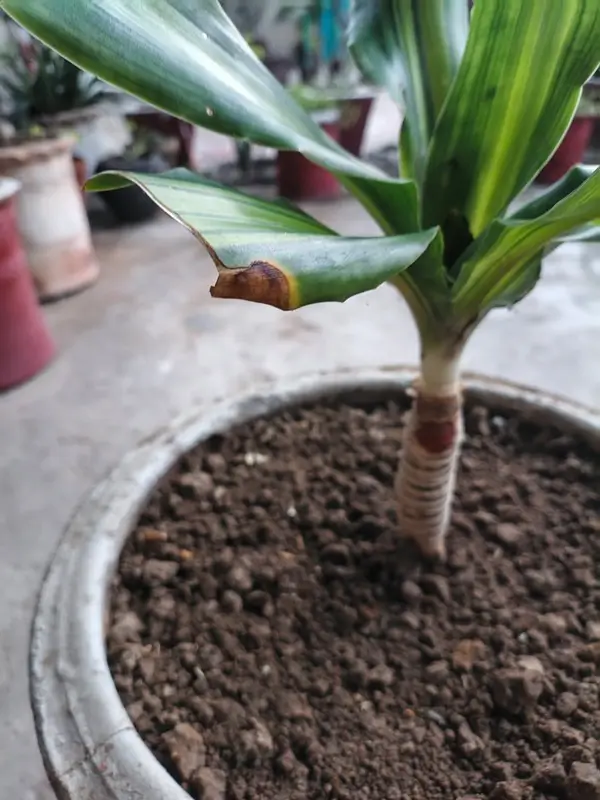
Discoloration usually starts on older growth or leaf tips before spreading across the entire stem.
By understanding these warning signals early – you can protect your plant from long-term damage.
Cause 1 — Overwatering & Poor Drainage
- Overwatering is the primary reason behind dracaena leaves turning yellow
- When soil stays soaked for too long roots lose access to fresh oxygen & begin to rot
- As the roots decay, they stop sending water & nutrients upward
- This causes lower leaves to turn bright yellow, feel soft or mushy & eventually drop off
- Always use a pot with clear drainage holes & light potting soil to prevent moisture buildup
- If you notice soft stems along with yellowing leaves – check roots immediately & trim away any black & decayed parts before repotting
Cause 2 — Underwatering & Dry Soil
When a Dracaena goes without water for extended periods – it loses crispness & vitality.
- Lack of moisture forces the plant to pull water from its outer leaf edges; that’s why Dracaena leaf tips start to turn brown & brittle
- Dry indoor air during winter speeds up water loss
- You can improve humidity around your plant – by grouping indoor plants or using a pebble tray filled with water
- Consistent soil moisture helps leaves stay smooth & green
Cause 3 — Harsh Lighting & Sunburn
- Light directly impacts how well your plant creates energy & maintains its deep color
- Direct sunlight hits the plant too harshly, scorching outer layers & creating pale or bleached patches
- These sunburnt areas turn into dracaena leaves turning brown & drying out completely
- On the other hand, extremely low light slows down photosynthesis – causing older leaves to fade & turn pale yellow
- Place your plant near a bright window behind a sheer curtain where it receives plenty of indirect sunlight
Cause 4 — Fertilizer Burn & Chemical Shock
- Dracaena plants are extra sensitive to chemicals found in fertilizers & tap water
- High levels of chlorine, fluoride & excess salts build up inside soil over time
- These chemicals burn root tips – making it difficult for the plant to absorb clean water
- The damage shows up on plant as dry brown edges surrounded by faint yellow halos
- To protect your plant – use filtered or distilled water whenever possible
- Apply a balanced liquid fertilizer only during active growth in spring & summer
You can learn more about balanced plant feeding by reading our full guide on dracaena plant care.
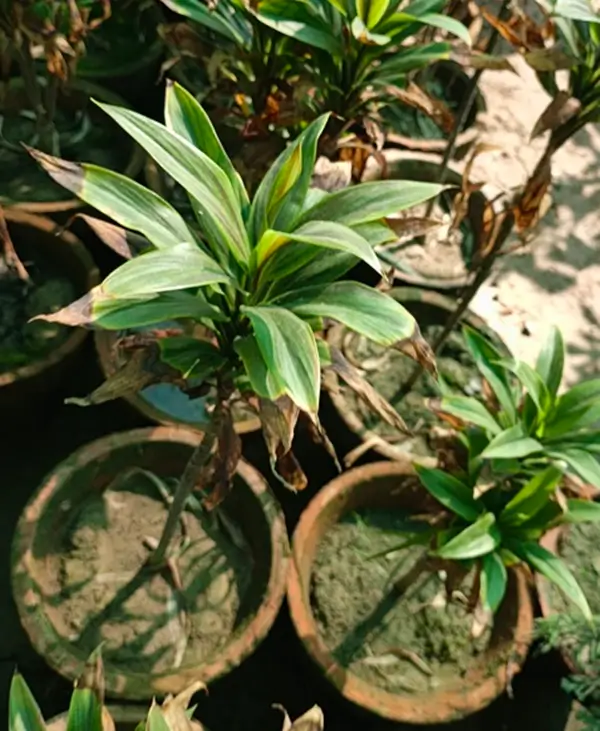
Common Watering Mistakes That Damage Dracaena Leaves
Watering issues are a reason houseplant owners notice leaf discoloration.
Finding right balance between too much & too little moisture takes time & regular practice.
Dracaena roots need a proper moisture & air circulation to function efficiently.
Understanding how bad watering habits hurt your plant allows you to adjust your routine before serious rot.
Mistake 1 — Overwatering Saturated Roots
- Excess water fills tiny air pockets inside your potting mix – depriving roots of oxygen
- When soil stays soaking wet for too long – roots decay & fail to supply clean nutrients upward
- This root breakdown leads to dracaena leaves turning yellow & dropping off
- Always check moisture levels deeply before adding more water to your container
- If the soil surface feels soft & damp – hold off on watering for several days
- Keeping a strict schedule without checking the soil first often causes severe root stress
Mistake 2 — Dracaena Underwatering & Dehydration Symptoms
- Allowing soil mix to dry out completely deprives the plant essential moisture
- As liquid reserves drop – plant draws moisture from outer leaf tips to preserve central growth
- This dehydration directly causes dracaena leaf tips brown & crispy to the touch
- When soil shrinks away from edges of the pot – water runs straight down without wetting roots
- Bottom-watering or soaking the pot briefly helps soil reabsorb moisture evenly
- Maintaining steady soil moisture prevents dracaena leaves turning brown & keeps plant looking healthy
Mistake 3 — Dracaena Poor Drainage & Standing Water
- Even with careful watering – poor drainage creates wet conditions near the root system
- Pots without drainage holes trap standing water at the bottom
- This trapped liquid rots healthy root tissues quickly & triggering dracaena leaves turning yellow
- Ensure your planter has drainage holes so excess moisture flows out freely
- Always empty the saucer beneath your pot after watering
- Proper drainage is a fundamental step in dracaena plant care that prevents unexpected root rot
Mistake 4 — Using Tap Water High in Minerals
- Tap water often contains chlorine, fluoride & heavy mineral salts that accumulate in the soil over time
- Dracaena roots absorb these chemicals – which slowly travel up to the leaf edges.
- This mineral buildup causes dracaena leaf tips brown & crispy edges
- Switching to collected rainwater, filtered water & distilled water protects delicate root tips from chemical shock
- Flushing soil every few months with clean water helps wash away built-up salts
For additional indoor garden tips, check out our guide on indoor plant care.
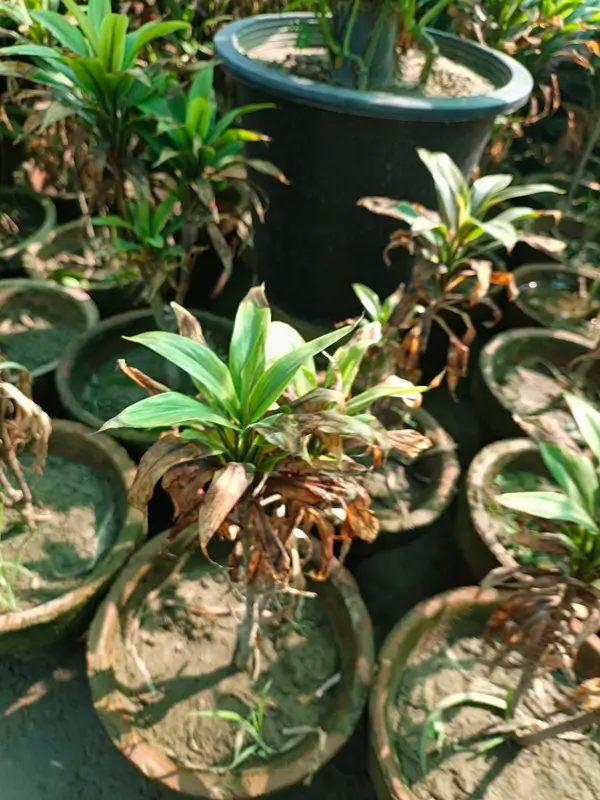
Environmental Factors: Light & Humidity Impact on Dracaena
Light & humidity directly control how well you manage water & create energy.
When these environmental factors drop out of balance plant reacts almost immediately.
Dracaena plants thrive best when they receive steady indirect light.
Adjusting these key factors protects plants & prevents discoloration across all leaf levels.
Factor 1 — Ideal Indoor Light Levels for Dracaena
- Providing the right amount of light is essential for vibrant growth & strong color
- Dracaenas thrive when placed in bright & indirect sunlight
- Too much darkness slows down photosynthesis which causes dracaena leaves turning yellow & losing structural firmness
- If your plant sits in a dark corner moving it closer to a natural light source or add a gentle grow light
- Adequate light exposure allows the plant to process soil moisture efficiently without leaving roots in wet soil
Factor 2 — Direct Sun Scorch & Heat Stress on Dracaena
- Direct sun exposure hits plant too harshly & causing severe leaf scorching
- Strong rays break down leaf tissue, leaving behind pale & bleached spots that turn into crispy patches
- These dried areas result in dracaena leaves turning brown & dropping off prematurely
- To prevent sunburn – never place your container in direct afternoon light without protection
- Move planter back a few feet from bright windows to shield leaf surfaces
- Maintaining filtered light exposure preserves deep green color & protects plants tips from scorching
Factor 3 — Low Humidity & Darcaena Crispy Leaf Edges
- Dry indoor air evaporates moisture from leaf surfaces making it hard for plants to stay hydrated
- When surrounding humidity levels drop outer leaf edges lose water faster than roots can absorb it
- This moisture deficit causes dracaena leaf tips brown & dry to the touch
- Indoor heat during winter months often dry out air around indoor plants
- To counteract dry air – group multiple houseplants together or place a water pebble tray nearby
- Maintaining air moisture keeps leaf margins soft, green & healthy
Factor 4 — Drafts & Seasonal Shifts
- Light quality & temperature levels shift noticeably between summer & winter seasons
- During winter shorter daylight hours & cold drafts from windows stress delicate tropical plant
- Sudden cold shocks combined with dry indoor heat frequently lead to dracaena leaves turning brown
- Keep your planter away from air vents & heating radiators
- Adjusting your plant’s location slightly each season – keeps it comfortable & growing smoothly year-round
- Consistent environmental conditions form a strong foundation for long-term dracaena plant care
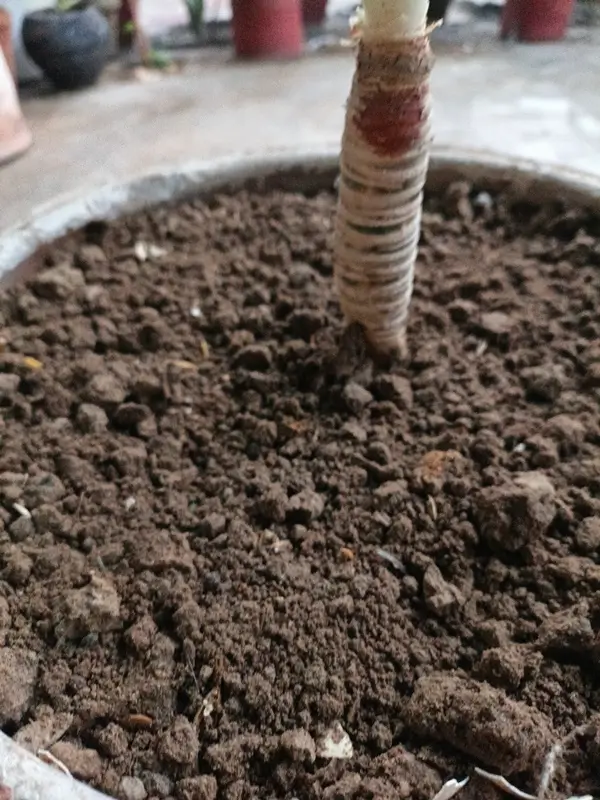
Soil & Nutrient Issues Affecting Dracaena
Soil serves works as primary reservoir for moisture, oxygen & mineral nutrients.
When potting soil becomes compacted, depleted & overly concentrated with minerals – root health suffers immediately.
Dracaena reacts to root stress by changing color & leaf tips.
Maintaining fresh & well-draining soil prevents leaf yellowing & keeps plant healthy.
Issue 1 — Dracaena Soil pH Imbalance & Lockout
- Potting soil that is overly acidic & alkaline prevents roots from absorbing minerals
- Even if fertilizer is present – extreme pH levels lock nutrients in soil
- This nutrient lockout starves the plant & causing dracaena leaves turning yellow between leaf veins
- Using peat-based potting mixes keeps soil pH slightly acidic which dracaenas prefer
- Replacing old potting soil every two years ensures a healthy root environment & steady nutrient
Issue 2 — Excess Salt & Fertilizer Burn
- Over-fertilizing builds up synthetic mineral salts around roots
- As salt levels rise roots burn & Lose the ability to transport clean moisture upward
- This toxicity shows up as dracaena leaf tips brown, dry & crispy along the edges
- If you notice white crust on the soil surface stop feeding immediately
- Flush the pot with copious amounts of clean water to leach out excess salts before root damage worsens
- Moderate feeding during spring & summer prevents fertilizer burn while supporting growth
Issue 3 — Nitrogen Deficiency & Pale Leaves of Dracaena
- Nitrogen is essential for green pigment production & active plant growth
- When soil lacks nitrogen older leaves lose their rich green color to nourish new upper growth
- This deficiency results in entire dracaena leaves turning brown & yellow
- To fix nitrogen deficiency apply a balanced & diluted liquid houseplant fertilizer during growth period
- Feeding your plant every four to six weeks in spring keeps leaves vibrant
Issue 4 — Dracaena Soil Compaction & Air Loss
- Frequent watering compresses potting mix & destroys tiny air pockets in the root zone
- Compacted soil holds moisture too long while preventing roots from receiving fresh oxygen
- This stagnant environment triggers root decay & eading directly to dracaena leaves turning yellow & dropping
- You can gently aerate the soil using a wooden chopstick to loosen tight spots near the top layer
- Adding perlite or coarse sand to your potting mix improves drainage – which forms an essential foundation for proper dracaena plant care
Key Pest & Disease Indicators of Dracaena
Pests & fungal infections quietly damage plant tissue before you notice signs.
When insects feed on sap or fungi attack roots plant turns discolored & drops leaves.
Spotting these signs early allows you to isolate plant & treat problems before they spread.
Indicator 1 — Common Sap-Sucking Pests
- Spider mites, mealybugs & scale insects are common pests that feed on plant sap
- As these insects pierce plant they drain essential moisture & nutrients directly from the tissue
- This feeding activity leads to dracaena leaves turning yellow & forming small speckled spots
- Look closely under plant for fine webbing or tiny white cotton-like spots
- Wipe infested areas with alcohol-soaked cotton swabs or spray with neem oil
- Removing pests quickly stops sap loss & restores green color
Indicator 2 — Dracaena Fungal Infections & Leaf Spots
- Fungal spores thrive when plant stays wet & air circulation around the pot is poor
- Leaf spot disease creates dark & water-soaked patches surrounded by yellow rings
- Infected tissue dries out & causes dracaena leaves turning brown & brittle
- Avoid splashing water onto plant when you water your plant to prevent fungal growth
- If you spot fungal spots trim off infected area with clean shears
- Increasing room ventilation keeps leaf surfaces dry & free from fungal spores
Indicator 3 — Dracaena Root Rot & Underground Decay
- Root rot is a severe fungal condition triggered by stagnant water in soil
- Decayed roots turn black & mushy – losing their ability to absorb clean water & nutrients
- As roots rot below ground dracaena leaves turning yellow & soft
- If your plant releases a sour odor from the pot remove it from the container to inspect root health
- Cut away dark & mushy roots using sterilized tools before repotting in fresh soil
- Quick root treatment saves the central stem & plant
Indicator 4 — Dracaena Bacterial Infections & Soft Spots
- Bacterial infections enter plant through small wounds or mechanical leaf damage
- Infected areas often feel soft & spread rapidly along the midrib
- This bacterial activity causes dracaena leaf tips brown & yellow
- Isolate infected plants away from other houseplants to stop bacterial spread
- Trim away damaged leaves & reduce watering to keep the soil dry
- Proper plant hygiene & clean tools form an essential part of dracaena plant care to protect against bacterial issues
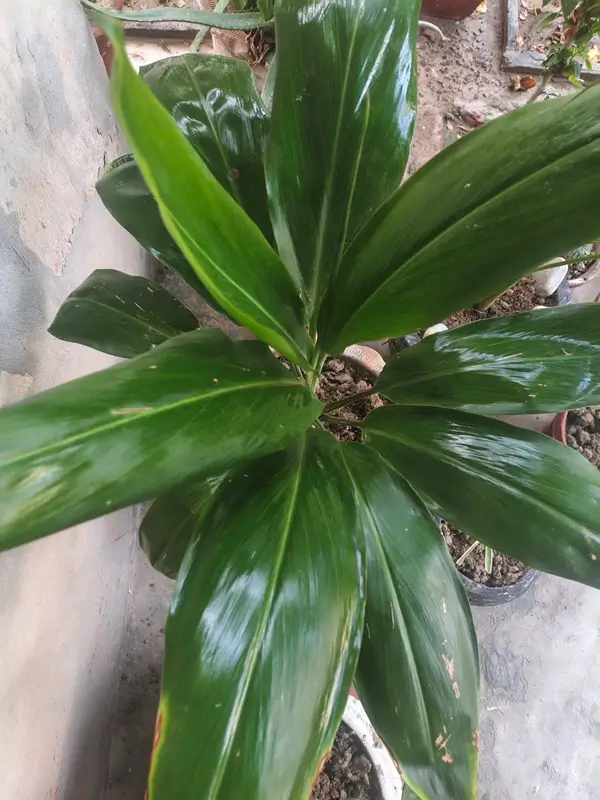
Actionable Recovery Plan to Restore Leaf Health of Dracaena
Restoring your plant to full health requires patience & care.
Once you correct environmental stress & healthy new leaves will gradually replace the damaged plant.
Following a step-by-step recovery plan helps your plant bounce back without suffering further shock.
Step 1 — Immediate Care for Dracaena Damaged Leaves
- When you spot leaf damage – start by removing unsalvageable plant material immediately
- Trimming dead tissue allows plant to send nutrients directly to new growth
- If you observe severe dracaena leaves turning yellow across lower stems – snip them clean near the central stalk
- Use sharp pruning shears cleaned with rubbing alcohol before making any cuts
- For minor brown tips – trim away dead margins while keeping the natural leaf shape intact
- Cleaning up damaged plant improves airflow & instantly neatens the overall appearance
Step 2 — Set Up the Ideal Growing Environment for Dracaena
Stable surroundings give your plant the best environment for long-term revival.
- Positioning your planter in a balanced environment prevents future leaf stress
- Place your container in a warm spot that receives plenty of bright & indirect sunlight
- Avoid placing the pot directly near cold air drafts, air conditioners & heating vents
- Maintain consistent room humidity using a small humidifier or a pebble tray filled with water
- Balanced humidity & light levels prevent dracaena leaf tips brown
Step 3 — Build a Consistent Watering Routine for Dracaena
Consistency is key to keeping houseplants healthy & green. A steady routine eliminates the guesswork and keeps your plant thriving.
- Water only when the top two inches of soil feel completely dry
- Avoid strict calendar watering schedules – as moisture needs shift with the weather & room temperature
- Check soil conditions weekly using your finger or a simple moisture meter
- Consistent soil moisture levels keep the root system active & stop dracaena leaves turning brown at the edges
Step 4 — Long-Term Prevention Techniques for Dracaena
Regular inspection helps you catch minor issues before they cause widespread leaf damage.
- Inspect the undersides of plant monthly for early signs of pests & fungal spots
- Wipe broad leaf surfaces gently with a moist cloth to clear dust & boost light absorption
- Repot your plant every two years using fresh & well-draining soil mix with a clean pot
- Continual care ensures healthy roots & stops unwanted dracaena leaves turning yellow over
Frequently Asked Questions
Can a yellow leaf turn green again?
No, once a Dracaena leaf turns completely yellow, it cannot turn green again because the damaged chlorophyll cells cannot recover. It is best to trim or remove yellow leaves so the plant can direct energy to healthy new growth.
How many times should I water my Dracaena plant?
Water your Dracaena once every 1 to 2 weeks, allowing the top two inches of soil to dry out completely between waterings. Always adjust the frequency based on seasonal light changes and indoor humidity levels.
How to bring back a dying Dracaena?
Start by trimming away dead or soft yellow foliage and inspecting the roots for any rot. Move the plant to a warm spot with bright indirect light, ensure proper pot drainage, and water only when the topsoil feels dry.
What does an overwatered Dracaena look like?
An overwatered Dracaena features soft, drooping yellow leaves that drop easily and a mushy main stem. The soil often remains soaking wet and may give off a sour odor due to decaying root tissue beneath the surface.