

Key Takeaways
| 🌿 Key Takeaways: Why You’ll Love This Guide | |
|---|---|
| 💡 A Must-Know Trait | Discover what makes English ivy incredibly resilient – but also a bit sneaky if left unchecked |
| 🌤 Light & Location Secrets | How to grow English Ivy in your home?
Learn exact kind of sunlight this plant adores – especially for thriving indoors & outdoors |
| 🌱 Soil & Watering Insights | Find out how to keep the roots happy with just the right soil mix & a surprising watering tip |
| 🔄 Planting & Transplanting Steps | Follow a simple process to plant or relocate ivy without shocking it into poor health |
| 🦟 Pest-Free Tips | Get ahead of tiny invaders with preventive tricks & natural treatments |
| ✂️ Growth & Pruning Strategy | Learn when & how to shape your ivy for fuller foliage & fewer problems |
| 🧪 Propagation Technique | Want more ivy from one plant?
Discover a quick method that works almost every time |
Introduction to English Ivy: Understanding the Basics
English ivy – botanical name Hedera helix – is a trailing & climbing vine wildly popular for both indoor & outdoor planting.
Its lush & glossy foliage can either cascade down from hanging baskets or trail along ground – creating a vibrant green carpet. It also climbs up walls, fences, trellises & trees – turning them into a leafy paradise.
Famed for its hardiness & versatility to grow in various conditions, it remains evergreen throughout the year in most climates.
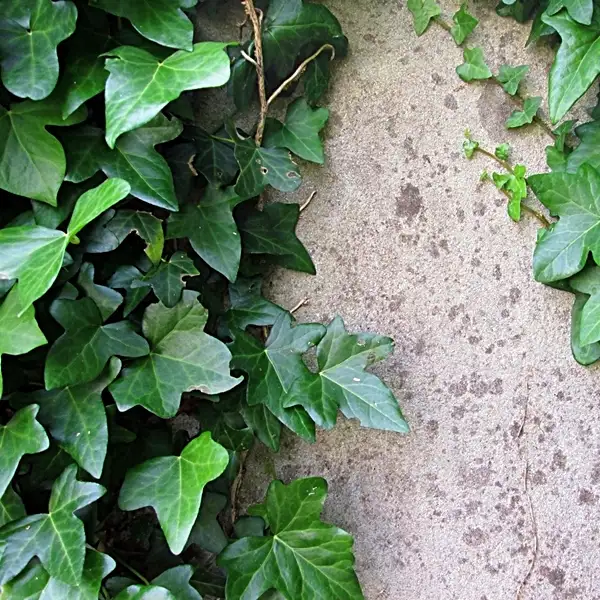
Native to Europe & western Asia, this perennial vine comes in over 400 different varieties, displaying an array of leaf shapes & colors. Despite being notorious as invasive – in fact, restricted/outlawed by some US states – it enjoys immense popularity among gardeners due to its decorative appeal, which not only enhances home aesthetics but can also increase property value when well-managed.
Garden expert Ryan McEnaney quotes that –
‘Plus side of English Ivy’s aggressive nature is that it’s tough as nails… It will thrive where many other plants fail’
However, growing this plant requires preparedness – as ivy management needs continuous attention so that it won’t overrun your garden or infiltrate your home’s structure.
5 Ideal Growing Conditions for Growing English Ivy
English ivy thrives best under specific conditions –
| 🌤️ Ideal Growing Conditions for English Ivy (Hedera helix) | |
|---|---|
| Climate Zones |
Canada Growing Zones for English Ivy
|
| Light Preference |
|
| Soil Type |
|
| Soil pH |
|
| Moisture Needs |
|
#1 Step-by-Step Guide to Planting & Transplanting English Ivy
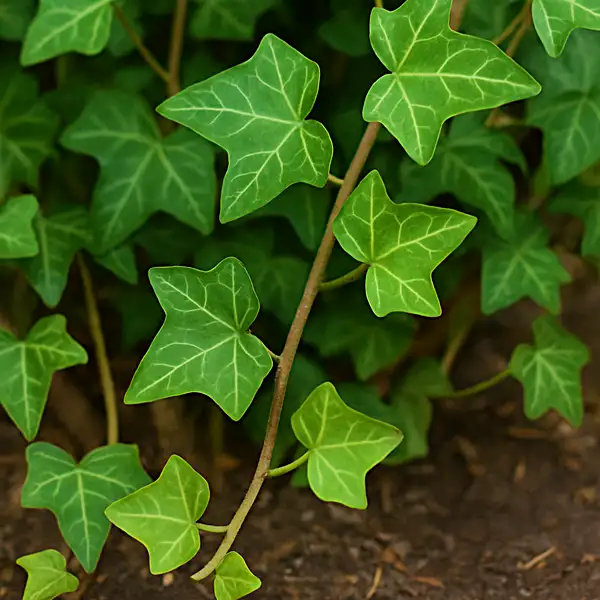
Planting the ivy becomes easy with these simple expert tips –
| 🌱 Planting English Ivy (Indoor & Outdoor) | |
|---|---|
| Best Time to Plant |
|
| Potting Mix |
|
| Container Tips |
|
Transplantation requires careful handling –
| 🔄 Transplanting English Ivy (Indoor ➜ Outdoor) | |
|---|---|
| Handling Tip |
|
| Gradual Acclimation |
|
| Ideal Outdoor Spot |
|
6 Key Tips for Watering & Fertilizing Your English Ivy
| 💧 3 Expert Watering Tips by Season | ||
|---|---|---|
| Season | Watering Frequency | Notes |
|
|
|
|
|
|
|
|
|
| 🌿 3 Pro Fertilizing Guidelines | |
|---|---|
| Fertilizer Type |
|
| Schedule |
|
| Why It Matters |
|
6 Common Pests and Diseases in English Ivy: Prevention and Treatment
Common pests that may trouble English ivy range from –
| 🦟 3 Common Pests & Natural Solutions | ||
|---|---|---|
| Pest | Symptoms | Treatment |
| Aphids |
|
|
| Spider Mites |
|
|
| Scale Bugs |
|
|
As for diseases affecting ivy –
| 🦠 3 Common Ivy Diseases & Prevention | ||
|---|---|---|
| Disease | Cause | Prevention |
| Bacterial Leaf Spot |
|
|
| Stem Rot |
|
|
| Powdery Mildew |
|
|
| “Adopting better management approaches like drip irrigation system usage creates a safer environment benefiting both plant & people likewise.” | ||
4 Success Care Tasks: Pruning, Training & Propagating Your English Ivy
To maintain your ivy’s continuous healthiness & propriety, you must regularly/timely perform these tasks –
| 🌿 Specialty Care: Pruning, Training & Propagation | ||
|---|---|---|
| Care Task | What to Do | Why It Matters |
| Pruning |
|
|
| Training |
|
|
| Propagation |
|
|
| Humidity Care |
|
🌬️ |
| “Regular inspection wards off any sudden unforeseen issues… yields satisfying rewards for a diligent grower/gardener.” | ||
Bring Life Home with Your English Ivy
Last word – Enjoy the journey alongside the destinations reached & invite liveliness amidst nurturing this green gem within your homestead!
Frequently Asked Questions
Is English ivy easy to grow?
Yes! It is tough as nails. It grows well in various soils & climates - indoors or out - with basic care & regular pruning.
How fast can English ivy grow?
It can grow several feet per year under ideal conditions - filtered light, moist soil & seasonal feeding.
Do English ivy like sun or shade?
It prefers bright & indirect light or partial shade. Direct sun can scorch leaves.
Can I grow english ivy from a cutting?
Yes! Take stem cuttings, dip in rooting hormone & plant in moist soil. It roots easily
How to grow english ivy in pots?
Use a mix of perlite, peat moss & soil in a draining pot. Keep soil moist, place in indirect light & prune as needed.
How to grow english ivy in water?
Place cuttings in a jar with lower nodes submerged. Change water weekly. Transplant once roots form or grow it in water long-term.