
Key Takeaways
| What you will learn | How it helps your plant | |
| The Watering Rhythm | Learn when to water every 1–2 days in heat & 5–7 days in cool weather, before the soil completely dries out. | |
| Hidden Soil Factors | See how pot size, direct sunlight, & container material silently drain moisture. | |
| Early Thirst Signals | Catch drooping leaves, pale green foliage, & dry topsoil before permanent damage sets in. | |
| The Perfect Method | Discover why early morning root-watering prevents leaf mold & disease. | |
| Avoid the Ultimate Killer | Spot hidden symptoms of root rot & overwatering before it’s too late. |
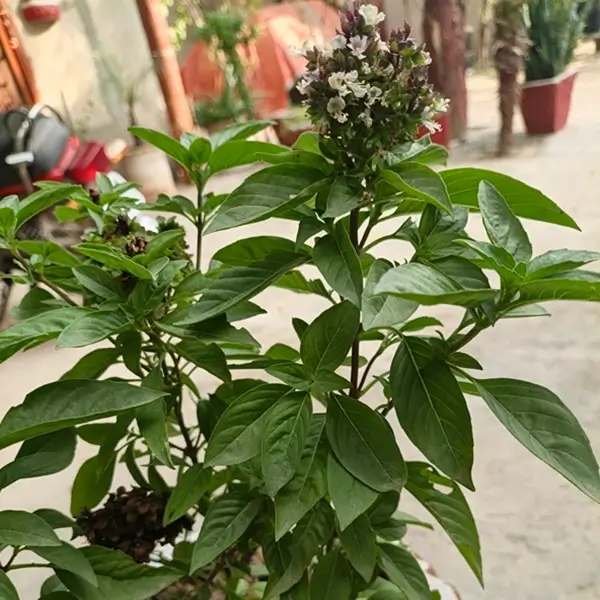
Basil plants grow best if you water correctly without causing sogginess.
If you are wondering how often to water basil plants, the short answer is to check the top inch of soil before watering.
Observing climate changes, soil dryness & early plant signals helps keep herbs fresh & resilient.
Knowing how often to water basil plants is key to keeping your herbs fresh & thriving.
In this basil care guide, you will learn exact watering key factors affecting soil moisture, signs of overwatering & practical tips to keep your basil healthy.
Master the Watering Rhythm for Basil Plants
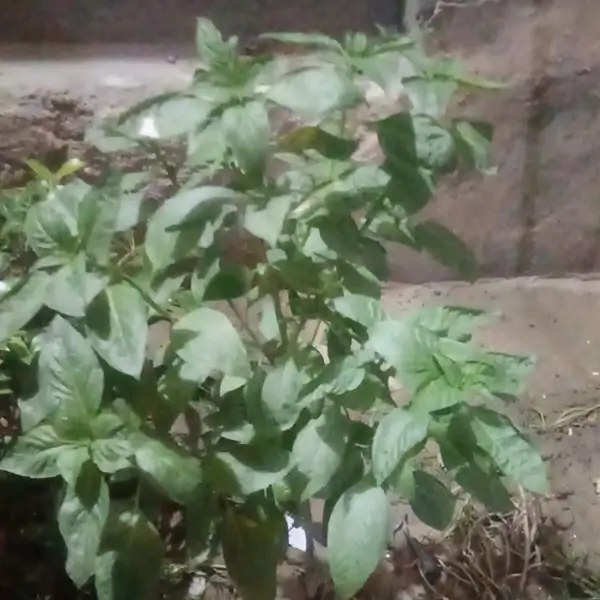
Basil loves hydration & finding the right spot. This plant requires close attention to what your plant & soil are telling you.
How often to water basil plants depends on checking the top inch of soil—if it feels fully dry to the touch, it is time for a watering.
Things like watering basil in pots in summer & small container sizes will speed up evaporation.
In cooler weather or indoor environments mean your basil plant care routine can shift to every few days.
Understanding early signs basil needs water helps you respond before stress damages & ensuring your herbs remain healthy & full of flavor.
Establishing a good observation routine keeps soil moisture & balanced throughout all stages of growth.
Environmental Factors Impacting Basil Moisture
Every basil plant lives in a different environment – meaning a fixed schedule does not fit every garden.
Many natural conditions speed up soil drying & require regular attention.
Understanding these variables makes container basil plant care much easier & helps you maintain ideal moisture levels.
1. Sunlight Exposure & Evaporation Rates
Sunlight drives plant growth but direct sun in summer months suck moisture from soil very quickly.
On sunny days, leaves lose water faster through soil evaporation & requiring you to establish a daily watering routine.
Knowing how often to water basil plants during warm months keeps soil from drying out completely & prevents severe heat stress.
Signs of Heat and Sun Stress
- Burned leaves: Brown hard edges & yellow patches or blackened foliage on top growth of plant.
- Wilting: Drooping by early afternoon heat even when your plant soil has moisture.
- Stunted growth: Tiny leaves & slowed vertical growth in high heat (90°F–104°F).
- Early bolting: Flower buds forming quickly, which diverts energy from leaf production & flavor.
2. Pot Size & Container Materials (Clay vs. Plastic)
Type & size of your container directly affect how fast water evaporates.
Small pots have very little soil meaning they dry out in standard warmth.
Materials like porous terracotta pull moisture through their walls, which means watering basil in pots made of clay requires more frequent checks than using plastic containers.
Pot Size
- Too small (4–6 inches): Dries out in hours on hot days – causing severe stress swings.
- Sweet spot (8–10 inches wide & deep): Balances water reserve so watering drops to every 2–3 days without staying soggy.
- Too big (massive jump up): Holds excess compost that roots cannot reach & leads to root rot.
3. Airy Soil Mix & Heavy Clay Drainage
Quality herb soil is designed to drain quickly so roots do not live in excess water.
Good drainage prevents root diseases – it also means soil loses moisture over a day or two.
Keeping a light & well-draining soil mix means watching for early signs basil needs water & replenishing moisture regularly.
(3) Signs Your Basil Needs Water
- Drooping leaves: Stems & leaves look down & yellowing like wet paper.
- Dry topsoil: You feel soil is dry when you push your finger an inch deep.
- Lightweight pot: Potting basil plant feels very light when you hold it.
Soil & Air Impact on Basil Moisture
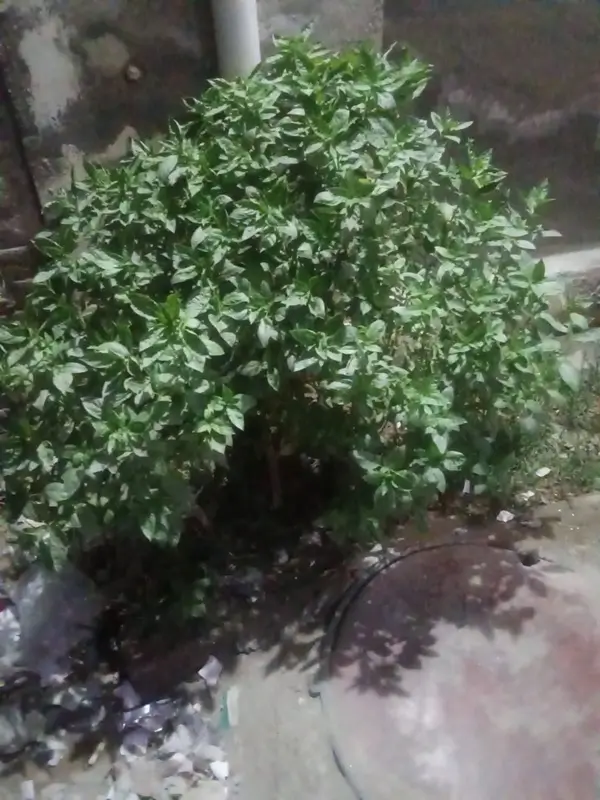
The soil you use acts as your plant’s foundation – deciding how well moisture stays around roots.
Different soil compositions suck up & release water.
If you pay attention to what goes into your basil soil makes container basil plant care much simpler & keeps your herbs healthy.
1. How Soil Structure Affects Moisture
Loose & Airy soil is good for plants because it suck moisture & lets water evaporate easily.
Hard Dirt & Heavy clay are tight around roots causing too much water & leading to basil root rot.
Adding organic material improves soil structure & helps you avoid overwatering basil plants.
(4) Best Organic Materials for Basil
- Aged Compost: Provides balanced nutrients & improves overall soil structure.
- Well-Aged Manure: Adds rich nitrogen, which basil loves for leafy green growth.
- Composted matter: It helps plants loosen heavy soils for good drainage.
- Peat Moss or Coco Coir: Holds adequate moisture in fast-draining soils for basil plants.
2. Importance of Proper Container Drainage
No matter how carefully you water – heavy soil with poor drainage will keep roots soggy.
Soil needs perlite or sand to create tiny air pockets throughout pot.
High-quality potting mix with drainage holes allows moisture to escape & making it easier to spot natural signs that basil needs water.
3. Soil Capacity & Root Expansion
As your plant grows, its roots fill up container & consume soil space.
A big root system in a small amount of soil absorbs water within hours & leading to dry soil & wilting basil leaves.
Shifting to a larger pot with fresh soil gives roots a chance to expand & maintain moisture levels.
Root Growth & Soil Requirements
- Root type: Fibrous root system anchored by a primary radicle.
- Spreading: Roots grow outward & downward which is sensitive to both drought & soggy soil.
- Spacing: Set plants 12 to 18 inches apart in beds or 1 to 2 plants per small container.
- Soil Type: Rich, airy & well-drained potting mix.
- Soil Mix formula: 2 parts potting soil – 1 part coco coir or peat moss & 1 part perlite.
- Soil pH level: Best range of pH level is (6.0 to 7.5).
- Soil Moisture: Let top 1 to 2 inches dry between waterings. Bottom watering is a cause of soggy roots
3 Early Signals Your Basil Needs Water
Basil is quick to show you when it feels thirsty – giving clear visual signals before any damage occurs.
Watching your plant’s foliage & checking soil texture gives you a signal of its moisture needs.
Recognizing these early signs – adjust your routine promptly & protect your herb from stress.
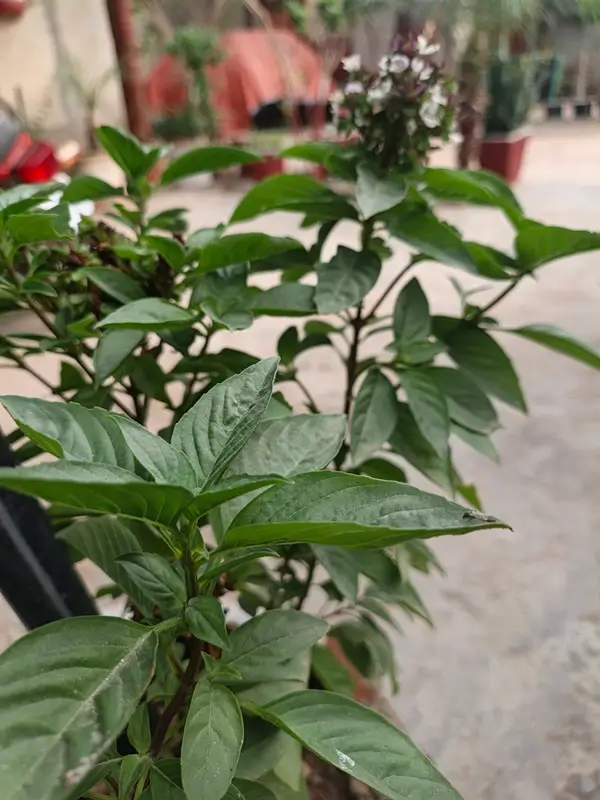
1. Leaves Dropping & Wilting Foliage
The most obvious sign of a thirsty plant is a sudden loss of stem firmness.
When soil moisture drops too low – leaves lose their internal water pressure & wilt.
Catching this early is easy to fix— crispness within a few hours.
2. Pale Foliage & Stunted Leaf Growth
A healthy herb boasts deep green & vibrant foliage that grows steadily throughout warm season.
When moisture remains low for too long growth stalls & new leaves may look dull or light green.
Recognizing these subtle signs that basil needs water helps you restore proper hydration before stems turn woody or weak.
3. Dry Topsoil & Pot Weight Test
Checking dirt with your finger is most reliable way to test moisture levels.
Insert your finger about one inch deep into container – if soil feels dry & warm it is time to hydrate roots.
Lightness in pot’s weight is another clear physical indicator of how often to water basil plants for proper container Basil plant care.
3 Best Techniques to Hydrate Your Basil
Timing & technique are just as important as amount of water you give your herbs.
Hydrating your plant at right time of day using proper techniques helps roots absorb moisture effectively.
Adopting a clear routine ensures your herbs stay vibrant & well-nourished.
1. Why Morning Watering Protects Roots
Early morning hours absolute best time to water basil afternoon sun heats up environment.
Morning watering gives roots plenty of time to soak up moisture & prepare for hot weather, reducing evaporation.
It also allows any accidental drips on foliage to dry quickly under gentle sunlight.
2. Direct Soil Watering to Prevent Mold
When learning how to water basil correctly always aim your watering can at soil rather than overhead.
Wet leaves are a cause of fungal diseases like downy mildew & leaf spot.
Direct soil watering targets root system directly, ensuring maximum hydration where plant needs it most without risking leaf health.
3. Deep Soaking for Container Basil
Pour water evenly around base until you see extra moisture draining out of bottom drainage holes.
Sprinkling only wets top layer of dirt – encouraging weak root growth.
Deep watering in a pot encourages strong roots that penetrate deep into container helping you avoid overwatering basil plants through poor drainage.
Preventing Overwatering & Root Rot
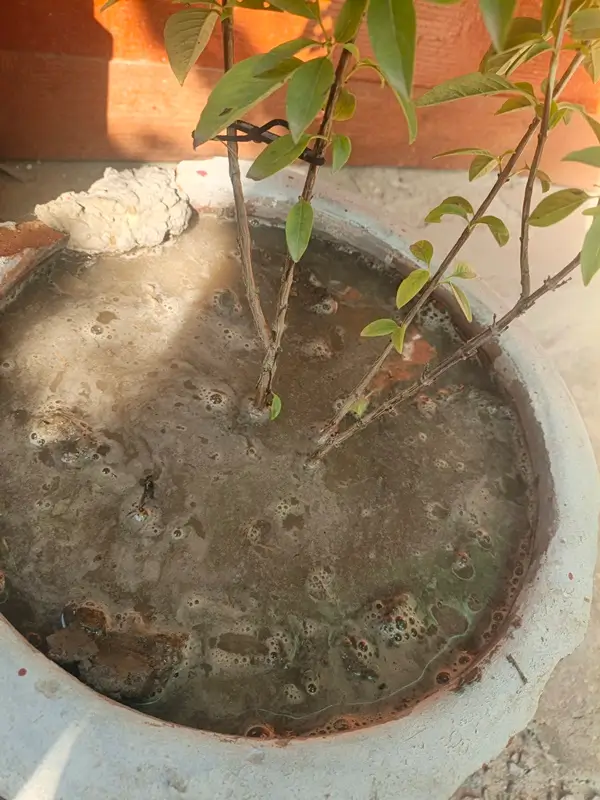
Basil needs regular hydration giving it too much water is one of most common mistakes home growers make.
Wet & airless soil suffocates root system & creates ideal conditions for fungal infections.
Learning how to prevent soggy soil protects your herb & keeps its growth steady.
1. Warning Signs of Soggy Soil
Overwatered basil often looks similar to a thirsty plant but plant tells a different story.
Instead of dry & wilting leaves overwatering basil plants leads to yellowing leaves, soft stems & a bad smell from dirt.
If leaves drop off when soil is still wet it means your plant is getting too much water.
2. Protecting Roots from Fungal Infection
When roots sit in excessive water for too long plants ability to absorb nutrients & oxygen declines developing basil root rot.
Healthy roots look firm & white – rotted roots turn brown & mushy.
Ensuring proper drainage holes & allowing topsoil to dry slightly between sessions protects root system.
What are (5) treatments for Infected Basil
1. Uproot & rinse: Gently wash old soil off roots.
2. Prune: Cut away black mushy & shriveled roots & trim top growth if plant is heavily wilted.
3. Sterilize/Soak: Dip roots in a 3% hydrogen peroxide solution for 5–10 minutes & a natural chamomile tea wash.
4. Repot: Use a clean or sterilized pot & fresh free-draining soil.
5. Manage recovery: Keep pot in bright & indirect light & hold off on heavy watering until new growth starts.
3. Managing Recovery & Drainage
To keep moisture levels balanced always adjust your watering frequency based on seasonal shifts & humidity levels.
Improving your soil mix gives you much better & control over container basil plant care without drowning roots.
Frequently Asked Questions
Should you water basil every day?
Not necessarily While high heat & small outdoor pots may require daily attention - watering should always depend on soil dryness rather than a fixed calendar. Knowing how often to water basil plants comes down to checking top inch of dirt—if it feels dry to touch give it a drink - if it still feels damp wait another day.
How to keep a potted basil alive?
Keeping potted basil thriving requires a balance of light proper drainage & consistent pruning. Place your pot where it gets plenty of natural light use a loose potting mix with bottom drainage holes & harvest top leaves regularly to encourage bushy growth. Following simple container basil plant care habits prevents stems from growing thin & woody.
Does basil need full sun?
Yes basil thrives in full sunlight & generally needs around six to eight hours of direct sun daily to grow vibrant & fragrant leaves. If you live in an extremely hot climate providing light afternoon shade protects foliage from scorching while indoor plants should sit near a bright & sunlit window.
Can basil be overwatered?
Yes basil can easily suffer from too much moisture. Excess water displaces air in soil suffocating roots & leading to yellow leaves soft stems & root disease. Allowing soil to dry out slightly between sessions & avoiding standing water helps prevent overwatering basil plants while keeping root system healthy.