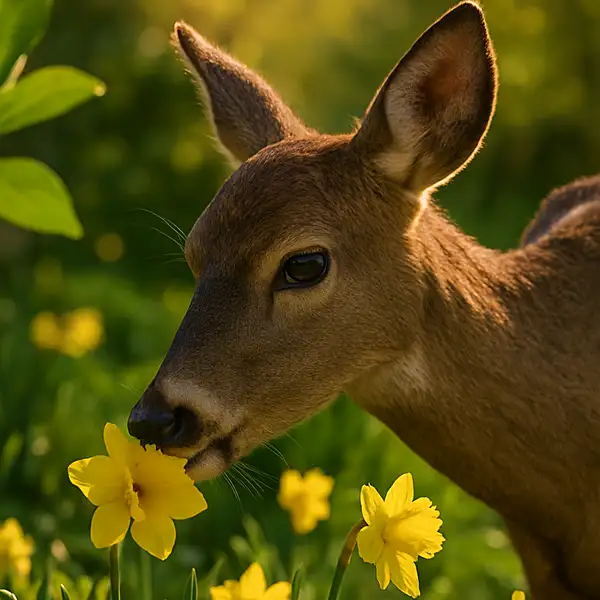
Hints at practical solutions without giving away the exact steps here
Explore beautiful plant alternatives that deter browsing
Encourages creative gardening ideas while ensuring protection
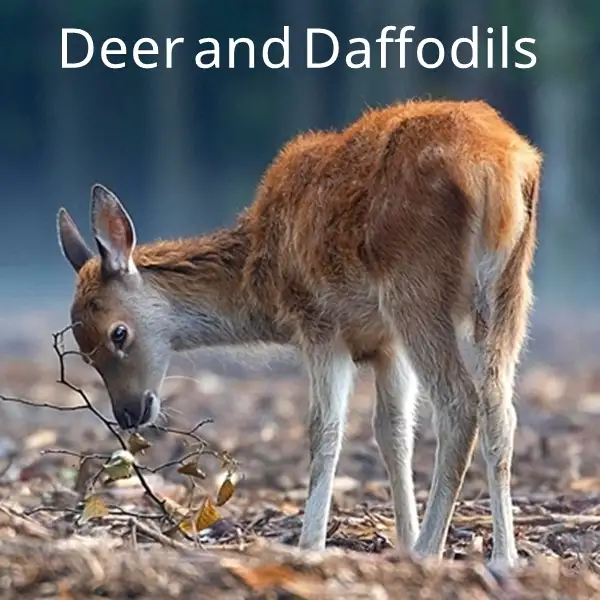
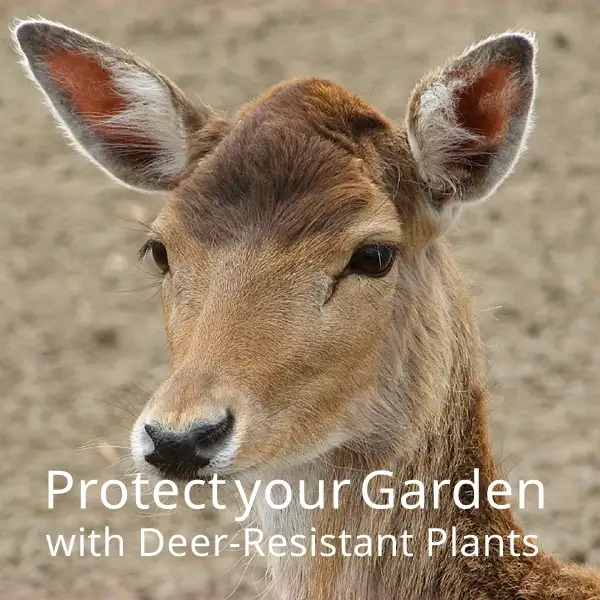
Dietary Habits of Deer
Photo credits – Edited by Plants Nexus
Deer are opportunistic eaters & have a wide, varied diet which primarily consists of –
Season / Period
Primary Foods
Digestive Adaptation / Behaviour
Notes
Spring & Early Summer
Highly nutritious buds
Fresh shoots
Young leaves
Endogenous gut bacteria shift to allow rapid digestion of protein-rich green growth
This shows that while being (seemingly) indiscriminate consumers or ‘grazers’, they do exhibit intrinsic dietary habits largely driven by seasonal availability
Warm Growing Season
Grasses
Herbs
Berries
Succulent stems
Prefer easily digestible, protein-rich items
Selective feeding for nutrition
Preference for “easily digestible foods that are high in protein”
Autumn
Fruits
Nuts
Acorns
Late-season browse
Maximise fat reserves
Opportunistic feeding on high-energy items
Opportunistic diet expands to energy-dense items as available
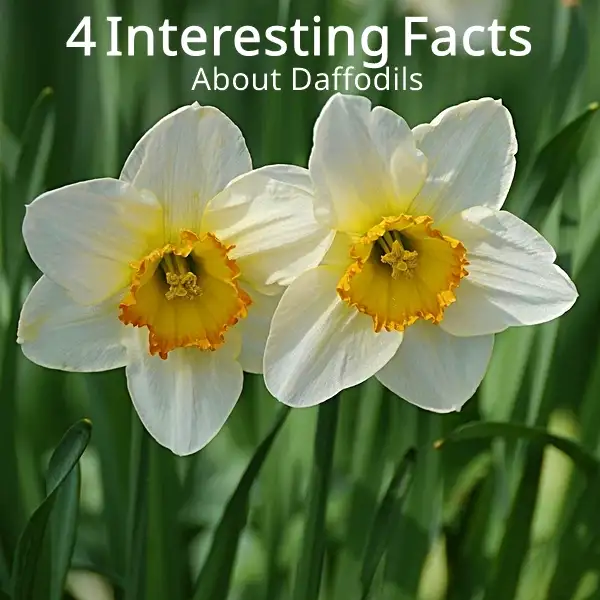
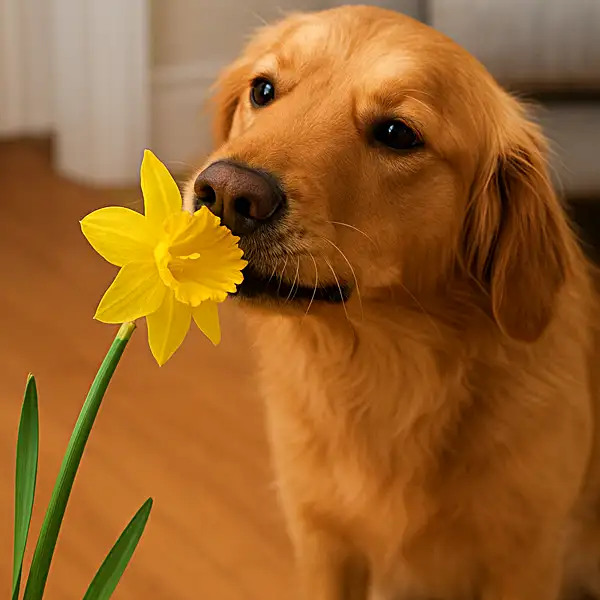
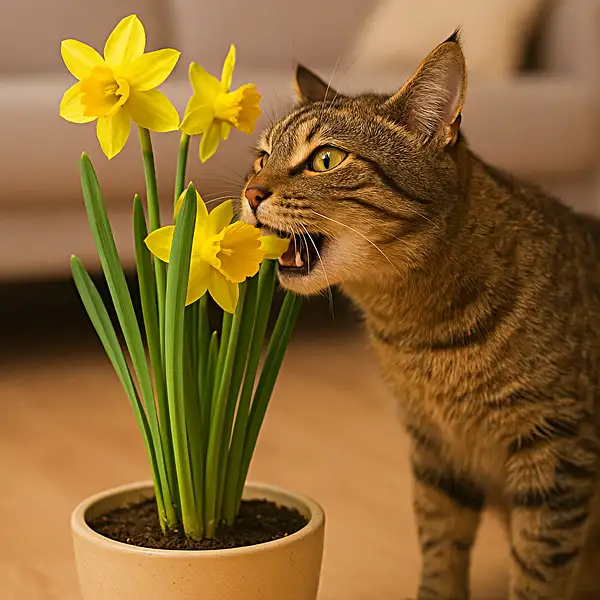
Many daffodil species contain alkaloids which possess adverse effects if consumed in large amounts, offering an inherent natural defense mechanism against hungry mammals – including deer
It makes them basically ‘deer-resistant’
Sturdy, non-succulent tissues
Less palatable than tender, juicy plants
Sturdy structure makes Daffodils less appealing compared to other nutrient-dense plants & trees
Strong floral scent (pollinator-oriented)
Attracts pollinators rather than herbivores
Lower browsing interest
Coupled with strong scented flowers designed to attract more pollinators than herbivores
Scarcity/overpopulation
In rare cases, deer may nibble despite deterrents
However, local conditions – e.g., SCARCITY can lead deer to turn towards these plants
Scarcity → When natural food is scarce – e.g., in winter or drought
Overpopulation → When there are too many deer in an area, competition forces them to try normally unappealing plants
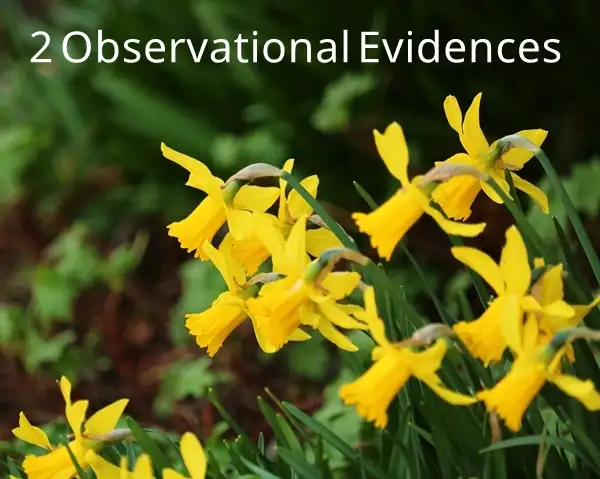
2 Observational Evidences: Do Deer Eat Daffodils?
Photo credits – Pxhere
When it comes to addressing observations suggesting whether or not deer actually consume daffodils, two expert observations are –
Typical Observation
Exceptional Cases
Takeaway
Most deer avoid daffodils
When food is scarce or the population is high, they may sample unusual plants
Empirical truth leans towards a default tendency in large majority of deer species to avoid them
Deer learn to avoid toxic plants after a bad experience
Young or starving individuals sometimes take risks
Resilience by adaptability has kept deer surviving through history
Their adaptive abilities also extend to their diet; traversing any finely drawn dietary lines if that guarantees survival
3 Potential Impacts on Gardens: When Deer Encounter Daffodils
On the potential impact upon gardens resulting from unfortunate encounters between deer & daffodils – experience divulges an overwhelming negative influence both on aesthetics & plant health.
Type of Impact
Typical Pattern
Why It Matters
Selective nibbling
Patches of damage – here & there, unpredictable
The damage often comes with inexplicable patterns since deer can be quite selective nibbling here & there
Bulb disturbance (rodent vs deer)
Bulbs dug up by rodents
Deer more likely to nibble foliage in desperate times
Depending on continuity of exposure… garden owners might struggle replenishing flora
Loss of rare/heirloom bulbs
Irreplaceable stock can be lost or take a long time to recover
This becomes especially painful when tackling rare heirloom variety bulbs
5 Expert Methods to Prevent Deer from Eating Daffodils
Photo credits – Pxhere
Ways how one can possibly deter deer away from their valuable backyards differ in terms of net effectiveness across diverse regional habitats & distinct floral compositions within gardens.
A few suggested strategies include –
Method
How It Works
Best Use / Note
Fences (physical exclusion)
Blocks access – tall or double-fence prevents jumping
Reliable for high-pressure areas
8 ft or specialized designs recommended
Repellents (taste/scent)
Make plants unpleasant
Reapplication needed
Useful short-term
Follow label instructions for safety
I use “conditioning repellents”
Scare devices / motion sprinklers
Startle deer & create a negative experience
Good as part of rotation – deer can habituate, so vary tactics
Habitat modification & strategic planting
Place deer-resistant plants at borders
Reduce cover
“placing more ‘deer-resistant’ vegetations around border regions” – low-effort long-term approach
Squirrel guards / bulb protection
Physical barriers or deep planting to protect bulbs from rodents
Protects bulbs from squirrels, voles & other diggers (rodents often cause bulb loss)
These strategies all utilize current understanding of behavioral traits aimed at reducing the likelihood of crossing paths.
4 Alternative Plant Options: Safeguarding Your Garden against Deer
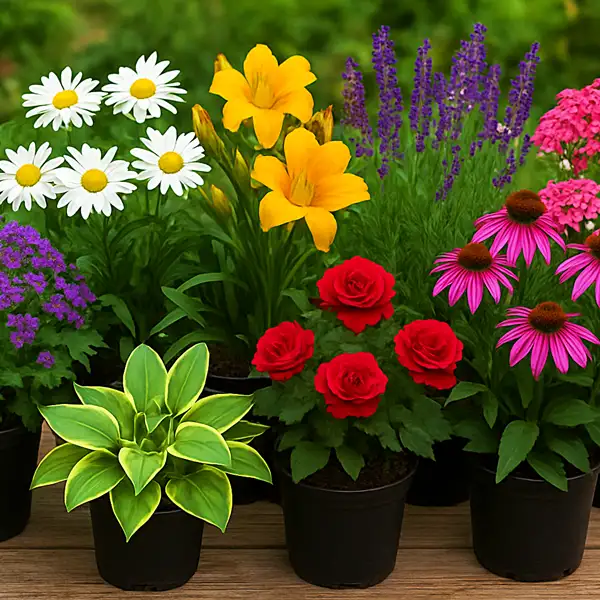
Although no plant is completely safe from determined hungry deer intruders, having ‘deer-resistant’ plants goes a long way toward safeguarding your loved botanical space.
Having said this, creating a deer resistant garden doesn’t necessarily have to sacrifice the aesthetic aspect of your planned landscaping, but rather opportunity for you to explore no-less-interesting plant alternatives.
Aromatic or toxic compounds & coarse foliage reduce palatability
Annuals
Vincas
Snapdragons
Less appealing textures & tastes
Good for seasonal color without attracting deer
Herbs
Rosemary
Mint
Strong scent acts as natural repellent while offering ornamental/culinary value
7 Bulbs known to resist deer
Daffodils (Narcissus family)
Alliums (Ornamental Onions)
Snowdrops (Galanthus)
Grape Hyacinths (Muscari)
Spanish Bluebells
Winter Aconite (Eranthis)
Snowflake (Leucojum)
Toxic alkaloids (lycorine) & unpalatable tissues
Good spring interest without heavy browsing
It’s all about finding creative solutions that keep charm intact but help alleviate unwanted encounters from our Odocoileian friends!
Final Words
One should always remember balance within nature.
Deers are not out there to bring about intentional harm upon vegetation. They are, just like any other creature – striving for survival – working through instincts, occasionally leading them where they’re least welcomed, potentially causing damages.
Frequently Asked Questions
What is a deer's favorite flower to eat?
Deer favor tender, protein-rich flowers like roses, tulips & daylilies. Especially in spring when fresh growth is abundant & easily digestible.
What animal eats daffodils?
Rodents such as squirrels & voles sometimes dig up & eat daffodil bulbs. Especially when food is scarce.
What is the most deer-resistant flower?
Daffodils rank among most deer-resistant flowers due to their toxic alkaloids - which deter browsing.
Hammad is a passionate gardener, writer & phytophile. His love for plants started in childhood, inspired by his mother’s care for their garden.
As an electrical engineering graduate & entrepreneur, Hammad has authored many articles on nature & life of plants. He loves to share his knowledge & inspire others to embrace the beauty & benefits of indoor gardening.