
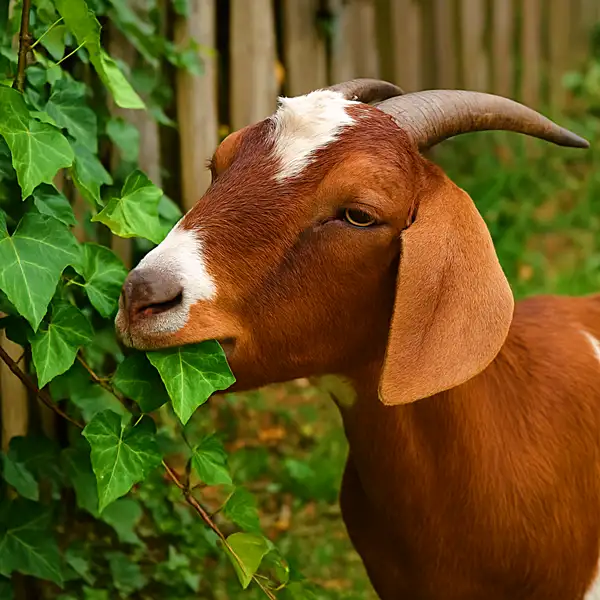
Key Takeaways
| Key takeaway | Why this matters |
|---|---|
| Goats browse broadly — not all plants are safe | Can goats eat English Ivy?
Can we use goats to remove English ivy in our backyard? Learn which common plants pose hidden risks later |
| English ivy appears harmless but can be dangerous | Discover symptoms & steps to prevent harm in subsequent sections |
| Symptoms vary with dose, age & health | Find dose-guidelines, signs to watch for & case examples ahead |
| Anecdotes exist — but expert guidance matters most | See vet recommendations & safe-management tips in vet section |
| Prevention beats cure | Practical fencing & pasture advice will follow to protect stock |
Dietary Habits of Goats
One often lauded fact about goats is their robust appetite for an incredibly varied array of plants.
This aversion to pickiness makes goats efficient & effective grazers. They can readily consume a variety of leaves, trees, shrubs, weeds, flowers, grains & hay. Hence, they are often used for vegetation control in various settings.
It’s essential to note though – that despite their perceived willingness to eat just anything – including cans – the idea that “goats eat everything” is actually a myth.
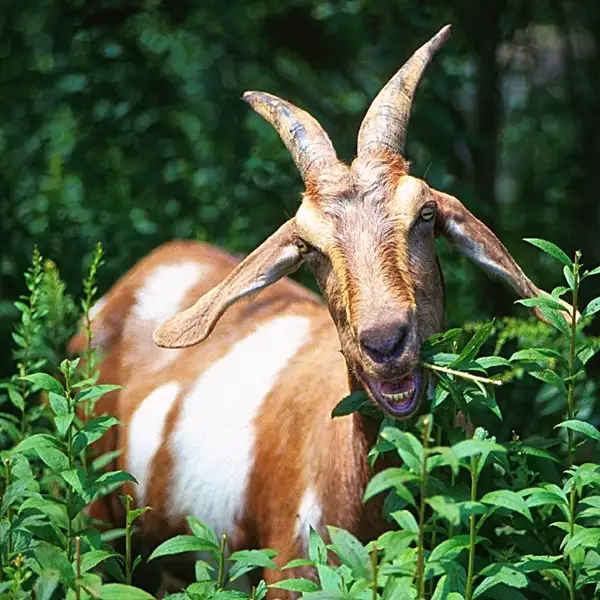
The dietary habits of goats are unique amongst ruminant animals – cattle or sheep – as they prefer eating food above ground level rather than grazing on grasses. Often referred to as ‘browsers,’ goats favor feeding on bushy plants rather than swards – which represent typical pastures for other livestock types.
However, even though almost any plant might seem like potential goat feed, it does not mean all are safe or beneficial.
Composition of English Ivy
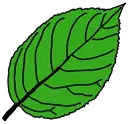
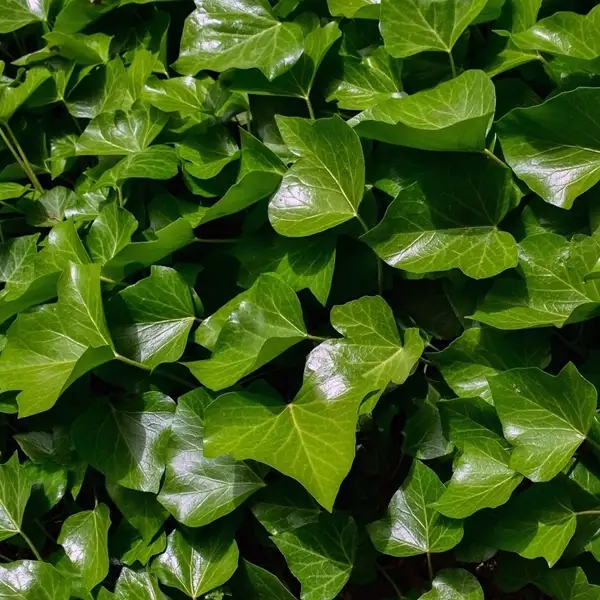
A common plant spread worldwide with over 400 species is the English ivy (Hedera helix). Aesthetic appeal aside—being beautiful green foliage which grows into interesting shapes—it has robust growing characteristics which enable it to grow rapidly under various conditions – making it suitable for vast landscaped areas besides home gardens.
Interestingly enough, these dense growths provide shelter for wildlife such as birds & bugs while their berries offer winter food.
3 Main Components in English Ivy & Their Risks
This seemingly benign plant contains compounds that are:
| Component | Notes (what it does / risk) |
|---|---|
|
|
|
|
|
|
4 Serious Effects of English Ivy on Goat’s Health
English ivy possesses compounds dangerous to goat’s health when ingested in sufficiently large quantities, not only due to cumulative effects but also from sudden excessive intake.
Symptoms of these adverse effects attributable to consumption include –
| Observed effect / sign | Details / clinical notes |
|---|---|
| Gastrointestinal upset |
|
| Hypersalivation / mouth irritation |
|
| Respiratory / cardiovascular signs | Extreme cases:
|
| Chronic / organ damage |
|
| Outcome range |
|
Research from the University of California on English Ivy Toxicity
In fact, the University of California lists English ivy as having major toxicity:
- It could cause serious illness if animals consume leaves or stems.
- Young plants will generally prove more toxic given the higher concentration of alkaloids, particularly in the shoots.
- Besides causing the acute symptoms noted above, repeated exposure to the ‘saponins‘ mentioned previously can cause long-term damage to a goat’s liver & kidneys.
3 Case Studies: Instances of Goats Eating English Ivy
It is not uncommon to come across anecdotal evidence from farmers & livestock keepers about goats managing to consume some quantity of English ivy with seemingly no ill effects – while others report sometimes fatal poisoning incidents.
The variability in reactions depends on several factors – including age, goat size, individual health status & how much has been consumed per body weight ratio to determine actual poisoning levels.
| Case (short) | Outcome | Key factors noted |
|---|---|---|
| Goat A — small amount grazed |
|
|
| Goat B — larger intake |
|
|
| Goat C — anecdotal survival |
|
|
3 Pro Vets’ Advice & Precautions for Feeding Goats with English Ivy
| Advice/quote | Practical action (what owner should do) |
|---|---|
|
|
|
|
|
|
Final Thoughts on English Ivy & Goats
To distil the information presented into a definitive answer – one would conclude that while surviving instances of consumption are documented, substantial evidential support deters the decision of intentionally availing this dietary option for your goat.
The impact can be lethal & as pet or livestock owners, our responsibility is to provide them with a diet that is safe, sufficient & suitable.
Therefore, the answer would be NO: goats should not eat English ivy (especially in large quantities or daily) due to its potential ill effects on their health.
Frequently Asked Questions
Can sheep eat ivy?
Sheep can eat ivy - but it poses toxic risks similar to goats. Eating it in large quantity may cause illness. So farmers should prevent access.
Is English ivy toxic to animals?
Yes! English ivy is toxic. Its compounds harm goats, sheep, cats, dogs & horses if consumed in significant amounts.
What leaves are not good for goats? What can goats not eat?
Goats cannot eat oleander, rhododendron, azalea, yew or wilted cherry leaves. These plants may cause severe or fatal poisoning.
What animals will eat ivy?
Birds eat ivy berries in winter & some deer browse its leaves.
Can goats eat vines?
Goats eat safe vines like grapevine or blackberry - but toxic ones such as English ivy must be avoided.
Can goats eat brambles?
Yes! Goats readily eat brambles such as blackberry or raspberry - gaining roughage & minerals.
Write a list of plants poisonous to goats?
Here is a list of most toxic plants to goats: English ivy, Oleander, Azalea, Rhododendron, Yew, Cherry leaves (wilted), Laurel, Foxglove, Nightshade, Bracken fern & Pokeweed.