

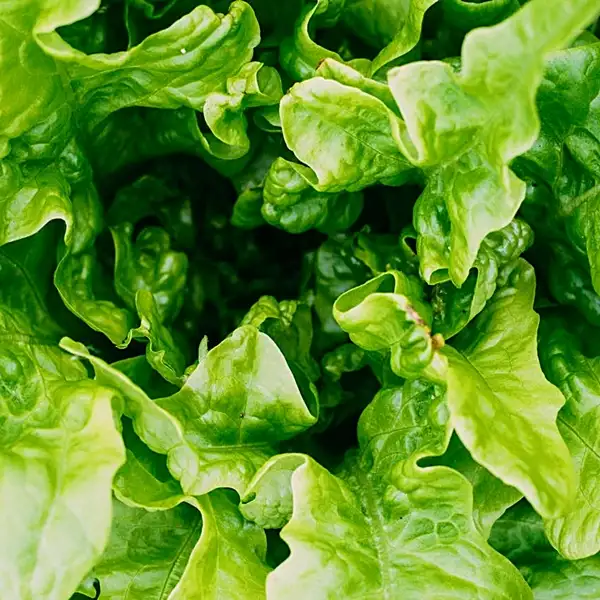
Key Takeaways
| What you’ll learn | Why it matters |
|---|---|
| Dogs’ dietary needs | Sets the stage for safe feeding choices without revealing specifics |
| Is lettuce safe? | Can dogs eat lettuce?
A quick verdict that points to the full guidance later on |
| Benefits vs. risks | Curiosity-sparking comparison so readers check the detailed pros & cons section |
| How much to feed | A brief guideline teaser — full portion rules are explained later |
| Safe preparation tips | Encourages readers to read the safe-serving section for practical steps |
| Other vegetables to consider | Hinted list to motivate readers to explore alternatives in the article |
How this article helps readers: it frames safe feeding decisions, highlights common pitfalls & points to measured, veterinarian-backed advice — while keeping the practical how-to steps in the sections ahead for readers to discover.
Understanding A Dog’s Diet
It is crucial to note that dogs have unique & complex dietary needs.
According to Dr. Louise Murray, vice-president of the ASPCA’s Bergh Memorial Animal Hospital in New York City, “Dogs have nutritional requirements that are different than humans,” she says. “In fact, feeding a diet primarily made up of human foods could lead to nutrient deficiencies & obesity.”

- Primarily carnivores by nature – their preferred protein sources include: beef, chicken, turkey, & fish – among numerous others.
- Furthermore – dogs’ diets also require certain amounts of carbohydrates for energy production along with various vitamins & minerals for maintaining overall health.
- However – it is important not to assume human-friendly foods like fruits or veggies would provide these same benefits for our canine companions without first understanding their individual reactions or tolerances towards such food items.
- Lastly – keeping an eye on any changes in behavior after observing new additions to your dog’s diet would benefit both parties greatly – allowing you further insight into personalized diets tailored specifically toward your pets’ needs.
- Hence – it prevents potential upset stomachs or severe allergic reactions from unknown food intolerances.
Can Dogs Safely Consume Lettuce?
Moving on, specifically concerning lettuce consumption among canines, many pet owners must be wondering, “Can dogs eat lettuce safely?”
| Aspect | Short answer & notes |
|---|---|
| Overall safety |
|
| Main risk |
|
| Best practice |
|
2 Health Benefits & 2 Concerns of Lettuce for Dogs
Lettuce carries notable health benefits – primarily due to its high water content & fiber. Despite the benefits, heavy consumption of lettuce could lead to certain concerns as well.
| Benefit | Why it helps |
|---|---|
| Hydration |
|
| Low calories & fiber |
|
| Concern | Why it matters |
| Too much fiber |
|
| Low-nutrient varieties |
|
3 Feeding Guidelines: How Much Lettuce Can a Dog Eat?
When feeding lettuce to your dog – moderation is key – according to animal experts.
A proper balance between meat-based diets – supplemented judiciously with small amounts of vegetables – assures the best results concerning overall health maintenance, say pet professionals throughout the field.
| Dog size | Suggested portion | Notes / caution |
|---|---|---|
| Small breeds |
|
|
| Medium breeds |
|
|
| Large breeds |
|
|
1 Golden Tip
- “Quantity should be introduced gradually, ensuring gentler digestive transitioning”
4 Safe Ways To Add Lettuce to Your Dog’s Diet
Remember that not all forms of serving are safe when you decide to introduce lettuce into your dog’s diet.
| Serving method | Recommendation | Why |
|---|---|---|
| Raw, chopped small | ✅ Preferred |
|
| Cooked | ⚠️ Acceptable but not ideal |
|
| Romaine | ✅ Recommended |
|
| Iceberg | ⚠️ Low value |
|
What Other Vegetables Are Safe For Dogs?
Giving dogs green vegetables is healthful – provided they are properly prepared & given in moderation. Among numerous core essentials safe for dogs, according to American Kennel Club (AKC), are –
11 Suggestions + 4 Vegetables to Avoid in Dogs
| Vegetable | Serve | Short benefit / caution |
|---|---|---|
| Carrots |
|
|
| Cucumber |
|
|
| Zucchini |
|
|
| Peas |
|
|
| Brussels sprouts |
|
|
| Spinach |
|
|
| Bell peppers |
|
|
| Broccoli |
|
|
| String beans |
|
|
| Pumpkin / Sweet potato |
|
|
| Onions / Garlic / Leeks / Chives |
|
|
Final Thoughts – Dogs and Lettuce
Responsible dog ownership entails a deep understanding of proper feeding practices – each presenting unique dietary challenges & opportunities.
Just as every human has individual preferences & tolerances toward certain foods – precautionary measures should be taken at the onset of new introductions to ensure smooth transitions toward healthier lifestyles for pets.
This balance promotes well-being & prolongs lives of our lovable fur babies — one simply cannot put a price on such a harmonious relationship that fosters true affection & obedience between owner & pet!
Frequently Asked Questions
Is it safe for dogs to eat lettuce?
Yes! Lettuce is safe for most dogs when served plain & in moderation. Veterinarians agree to keep it under 10% of their total food intake & not daily.
How much lettuce can I give my dog?
Offer only small portions at first & increase gradually. Then, follow the <10% (which I mentioned earlier).
What vegetables can't dogs eat?
Avoid onions, garlic, leeks, chives, raw potatoes, mushrooms, avocado & rhubarb leaves. These can cause serious health problems or even poisoning in dogs.